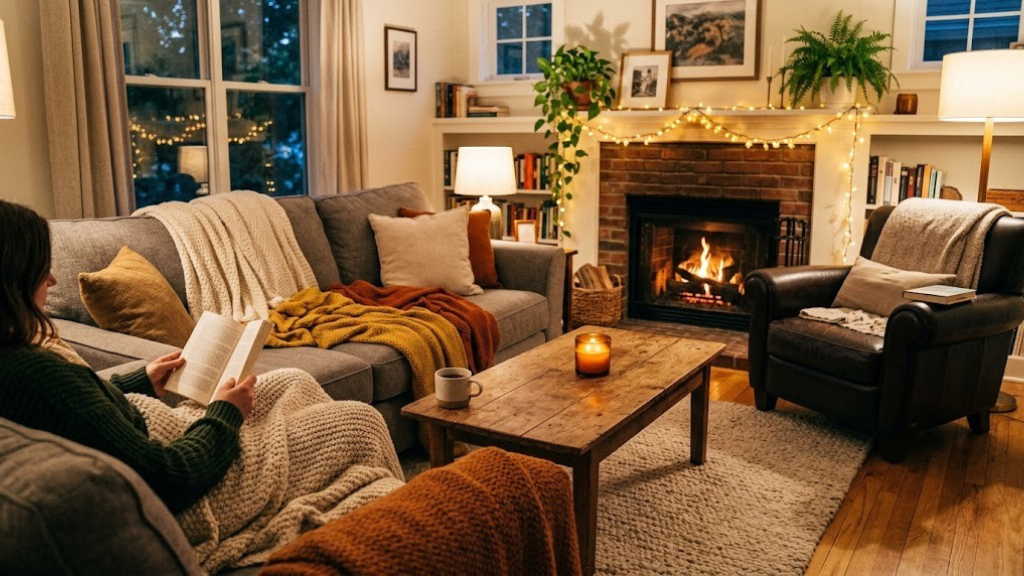
20 Cozy Home Decor Ideas to Transform Your Space
Expert Tips for Creating Warmth, Comfort, and Inviting Ambiance in Every Room of Your Home
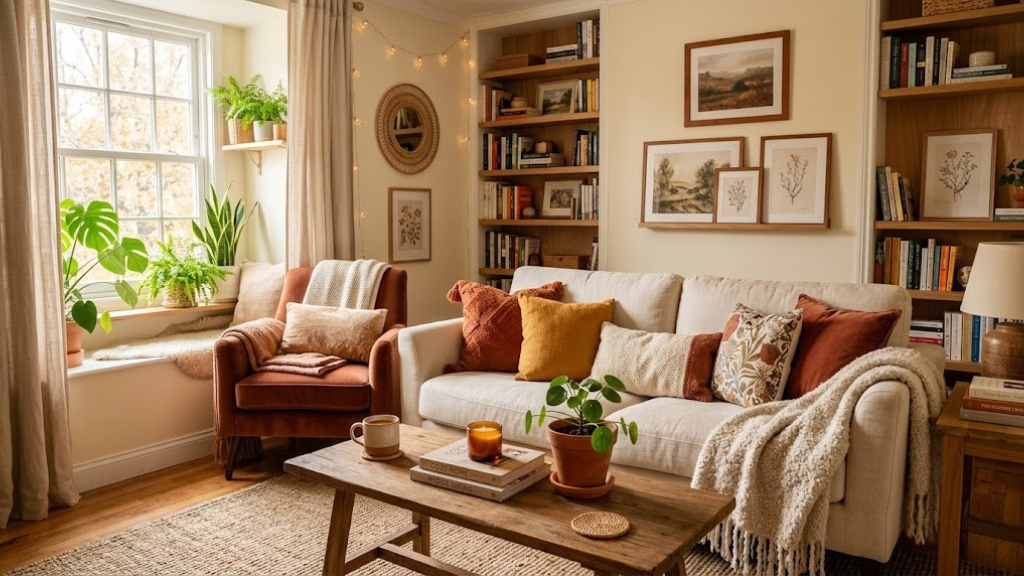
Creating Your Perfect Cozy Haven
Transform your house into a warm, inviting sanctuary where comfort meets style. In today’s fast-paced world, creating a cozy home environment has become more important than ever—it’s not just about aesthetics, but about crafting a space that nurtures well-being, promotes relaxation, and welcomes you home after long days. The concept of “cozy” extends far beyond simply adding a few throw pillows; it’s a comprehensive approach to home design that engages all five senses and creates an atmosphere of warmth, safety, and contentment.
The Danish concept of “hygge” (pronounced hoo-gah) has gained global recognition for good reason—it encapsulates the essence of coziness through mindful living, simple pleasures, and creating environments that promote well-being. But creating a cozy home isn’t limited to Scandinavian minimalism. Whether you prefer modern elegance, rustic charm, bohemian eclectic, or traditional warmth, these 20 cozy home decor ideas will help you transform any space into your personal retreat.
Coziness is deeply personal and varies by individual preference, climate, and lifestyle. A cozy home in a warm climate might emphasize cooling natural fibers and breeze circulation, while cold-weather cozy focuses on insulation, warmth, and layering. Cultural backgrounds influence cozy aesthetics too—Mediterranean coziness might feature terracotta and natural stone, while Nordic cozy leans toward pale woods and neutral textiles. The key is identifying what makes you feel most comfortable and at ease, then building your space around those elements.
Essential Principle: True coziness comes from creating multi-sensory experiences. Visual warmth through color and lighting, tactile comfort through textures, olfactory pleasure through scents, auditory calm through sound management, and even taste through accessible comfort foods all contribute to the complete cozy home experience.
This comprehensive guide walks through 20 detailed, actionable cozy home decor ideas organized by impact and implementation difficulty. We’ll explore both quick wins—changes you can implement this weekend—and longer-term projects that dramatically enhance your home’s comfort level. Each idea includes specific product recommendations, budget considerations, styling tips, and common mistakes to avoid.
Before diving into specific ideas, consider your home’s current state and prioritize areas that need the most attention. Maybe your living room feels cold and unwelcoming, your bedroom lacks the tranquility needed for restful sleep, or your bathroom feels purely functional rather than spa-like. Identifying these pain points helps you focus efforts where they’ll have maximum impact. For comprehensive guidance on building a cozy home foundation, our cozy home essentials checklist provides a complete roadmap for every room.
Layer Multiple Throw Blankets for Visual and Tactile Warmth
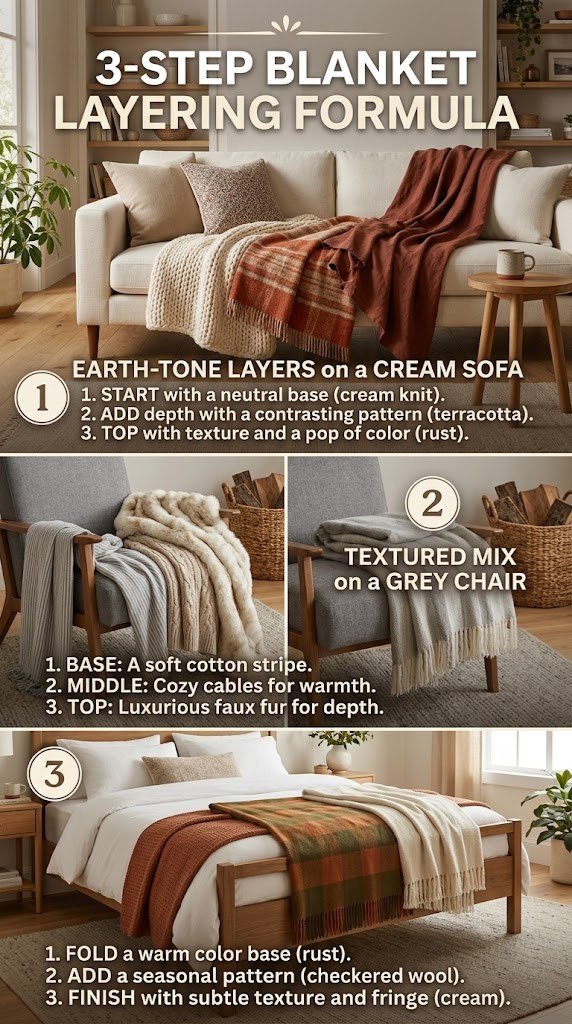
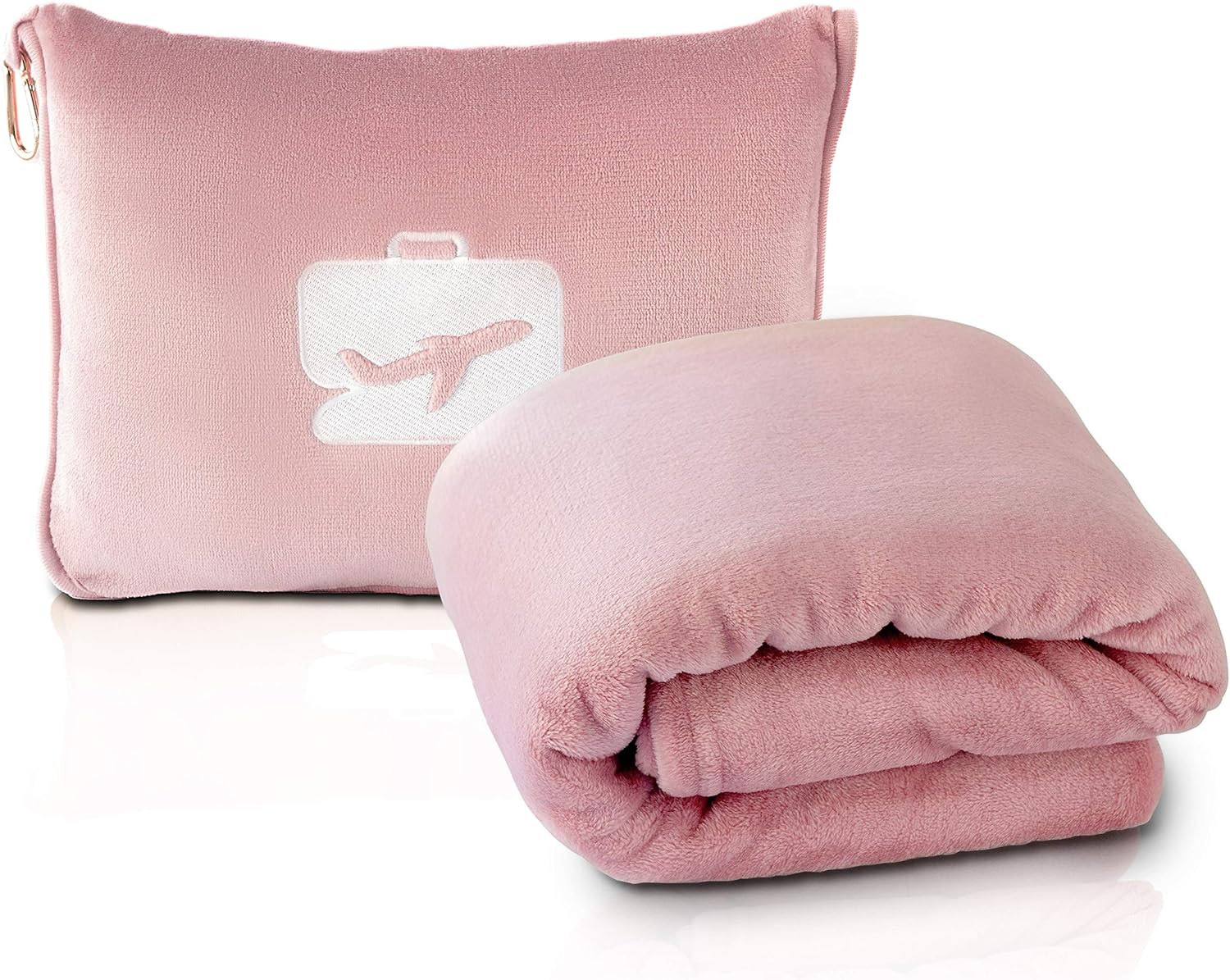
Nothing says “cozy” quite like an abundance of soft, inviting blankets draped over furniture, waiting to envelop you in warmth. Layering multiple throws transforms furniture from mere seating into inviting comfort zones that beckon relaxation. The key to masterful blanket layering lies in combining different textures, weights, and materials to create visual interest while providing functional warmth for varying comfort needs.
Start with a foundational chunky knit throw in a neutral color—cream, gray, or soft beige. These substantial blankets provide actual warmth while adding significant visual weight that anchors the space. Drape it casually over your sofa’s arm or fold it lengthwise and place it along the back. The chunky texture creates inviting shadows and depth that photographs beautifully while feeling luxurious to touch.
Mastering the Art of Blanket Combination
Layer your chunky foundation with a lighter-weight complementary throw in a different material. Consider pairing that chunky knit with a smooth bamboo blanket for temperature regulation, or add a plush sherpa throw for maximum softness. The material contrast creates tactile interest—guests naturally want to touch and experience the different textures. This sensory engagement is fundamental to creating that inviting cozy atmosphere.
Don’t limit blanket placement to just sofas and chairs. Drape a beautiful throw over your bed’s footboard, keep one folded in a decorative basket near your reading chair, and maintain a lightweight option on your living room ottoman. This abundance communicates comfort and hospitality while ensuring a perfect blanket is always within reach when needed.
Choosing the Right Blanket Materials
Material selection significantly impacts both aesthetics and function. Chunky knit blankets in cotton or acrylic provide substantial visual presence and moderate warmth perfect for transitional seasons. Fleece and sherpa blankets deliver maximum warmth and incredible softness, ideal for deep winter comfort. Lightweight cotton or linen throws work beautifully for summer months when you want the cozy aesthetic without overheating.
For year-round versatility, bamboo blankets offer exceptional temperature regulation, keeping you cool in summer and warm in winter through natural moisture-wicking properties. Wool blankets, particularly merino wool, provide outstanding warmth without excessive weight while naturally resisting odors and staying fresh longer between washes.
🎨 Styling Tips for Blanket Layering
- Use the 60-30-10 color rule: 60% neutral base, 30% secondary color, 10% accent
- Vary textures more than colors for sophisticated, cohesive looks
- Fold blankets in thirds lengthwise for polished magazine-worthy presentation
- Intentionally casual draping creates lived-in comfort rather than staged perfection
- Rotate blankets seasonally to keep the look fresh and maintain material integrity
- Store off-season blankets in breathable cotton bags, never plastic
Budget Considerations and Shopping Strategy
Building a blanket collection doesn’t require enormous investment. Start with 2-3 quality foundational pieces in neutral colors, then gradually add seasonal accent throws during sales. Discount home stores often stock surprisingly soft throws for $15-30, while premium chunky knits from specialty retailers range $60-150. The investment in quality pays dividends—a well-made blanket lasts 5-10 years with proper care, while cheap options pill and deteriorate within months.
Consider the cost-per-use calculation: a $100 chunky knit used daily for five years costs just $0.05 per day, making it remarkably affordable comfort. Meanwhile, that $20 synthetic throw that pills after six months actually costs more in replacement frequency and reduced enjoyment. Invest in pieces you’ll genuinely use rather than decorative-only options that never leave their display position.

Find Your Perfect Throw Blanket
Discover soft, stylish throw blankets in every texture and material. Build your cozy blanket collection today!
Shop Throw Blankets →Replace Harsh Lighting with Warm, Layered Light Sources
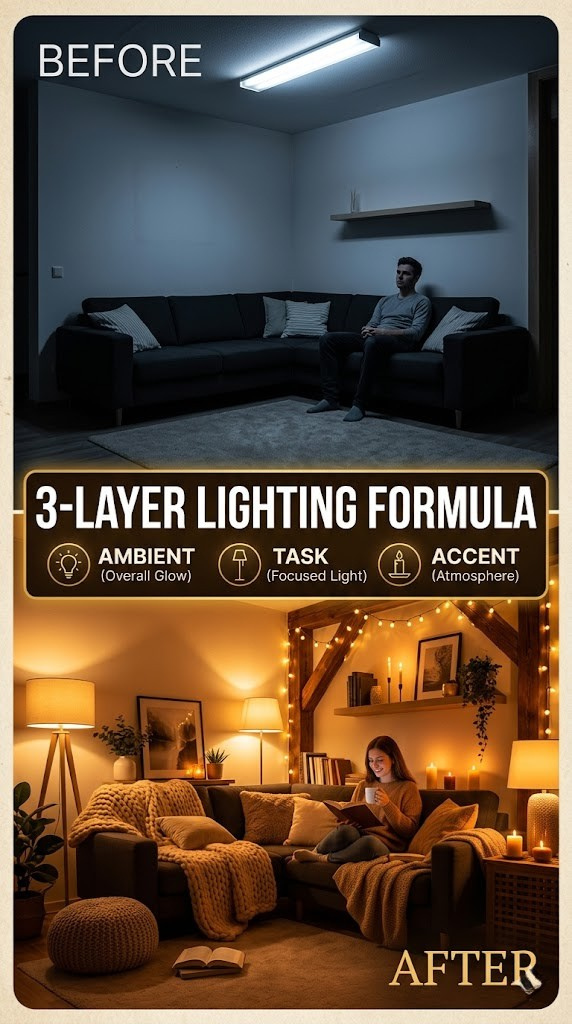
Lighting dramatically impacts how cozy a space feels, yet it’s often overlooked in favor of furniture and decor. Harsh overhead lighting creates cold, institutional vibes that actively work against coziness, while warm, layered lighting from multiple sources creates depth, warmth, and inviting ambiance. The goal is eliminating single bright sources in favor of distributed, dimmable warm light at various heights and intensities.
Start by replacing any bulbs over 3000K color temperature with warm white (2700K-3000K) LED bulbs. Color temperature is measured in Kelvin—lower numbers produce warmer, more amber light that mimics candlelight and sunset, while higher numbers create the harsh blue-white light found in offices and hospitals. This single change immediately softens your entire home’s atmosphere without any other modifications.
The Three-Layer Lighting Strategy
Professional interior designers use three distinct lighting layers: ambient (general illumination), task (focused work light), and accent (decorative highlighting). Most homes over-rely on ambient ceiling fixtures while ignoring the other layers. True coziness requires balancing all three.
Ambient lighting should be soft and diffused rather than bright and direct. Replace harsh overhead fixtures with dimmer-controlled options or simply use them less frequently. Install floor lamps with opaque or translucent shades that diffuse light upward and outward rather than downward in a spotlight beam. Consider salt lamps or Himalayan salt fixtures that provide gentle ambient glow while releasing negative ions that may improve air quality.
Task lighting provides focused illumination for reading, cooking, or detailed work without brightening the entire room. Adjustable reading lamps next to chairs, under-cabinet lighting in kitchens, and swing-arm bedside lamps exemplify effective task lighting. These allow activities requiring good visibility while maintaining the room’s overall cozy dimness.
Accent lighting creates visual interest and highlights architectural features or cherished objects. String lights, LED strips behind furniture, picture lights above artwork, and candles all serve as accent lighting that adds warmth without functional illumination. This layer is purely aesthetic but crucial for creating that magazine-worthy cozy atmosphere.
Strategic Lamp Placement
Distribute light sources around the room’s perimeter rather than clustering them centrally. This creates depth and eliminates harsh shadows while making spaces feel larger and more inviting. Aim for at least three separate light sources in living areas, positioned in different corners or along different walls. The varied placement creates gentle, overlapping light pools that feel natural and comfortable.
Height variation matters too. Combine floor lamps, table lamps at different heights, and wall sconces to create visual interest and ensure light reaches all vertical levels. This prevents the top-heavy lighting common in homes relying solely on ceiling fixtures.
💡 Lighting Enhancement Quick Wins
- Install dimmer switches on all overhead fixtures ($15-30 each)
- Use warm white LED bulbs (2700K) exclusively—never cool white
- Add table lamps to every seating area for accessible control
- String fairy lights behind furniture for magical ambient glow
- Use smart bulbs to adjust brightness and warmth via phone
- Keep candles burning during evening hours for flickering warmth
- Install LED strips under cabinets and behind TV for soft backlighting
Candles and Flame-Effect Lighting
Nothing creates instant coziness quite like candlelight’s warm, flickering glow. Real candles offer unmatched ambiance but require supervision and create soot. Battery-operated LED candles now feature remarkably realistic flickering flames that provide the visual warmth without fire risk or air quality concerns. Place them on mantels, side tables, and windowsills for that hygge candlelit atmosphere any time.
Group candles in odd numbers (3, 5, 7) at varying heights for most visual impact. Use hurricanes, lanterns, and candle holders that complement your decor style while protecting flames from drafts. Unscented candles prevent competing fragrances while providing pure visual warmth, or choose subtle natural scents like vanilla, sandalwood, or cedar that enhance rather than overwhelm.
Add Plush Area Rugs to Define Spaces and Warm Floors
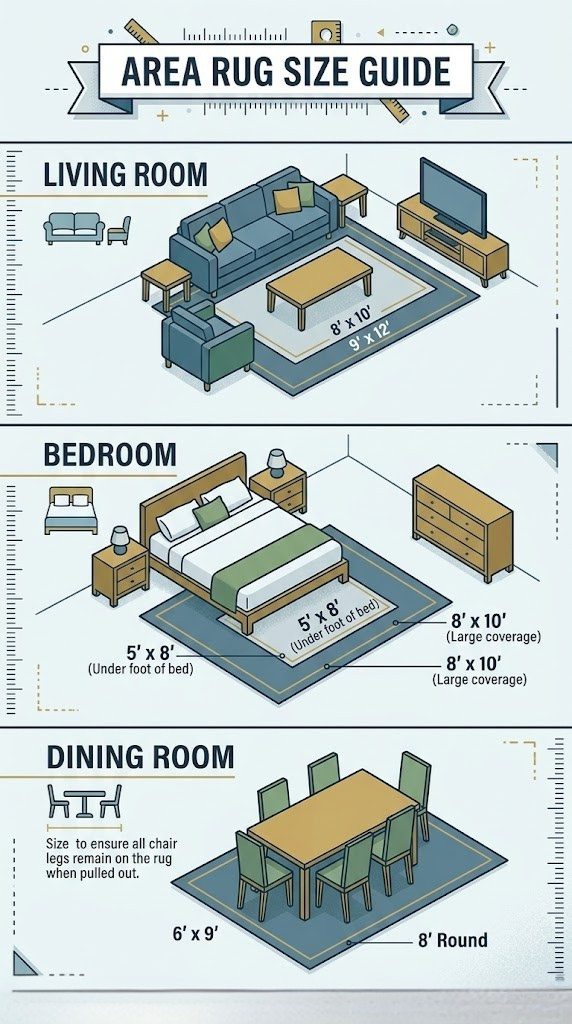
Area rugs serve dual purposes in cozy home design: they visually anchor furniture groupings while providing soft, warm surfaces underfoot that transform cold hard floors into inviting spaces. The psychological impact is immediate—stepping from hard flooring onto a plush rug signals transition into a comfort zone, making spaces feel more intimate and intentional.
In living rooms, area rugs should extend beyond furniture rather than sitting entirely underneath it. The ideal placement has front furniture legs (sofas, chairs) resting on the rug while back legs remain on flooring. This creates visual cohesion while making the seating area feel grounded and substantial. For small spaces, ensuring all furniture legs rest on the rug expands the perceived size by minimizing visual breaks.
Choosing the Right Rug Size
Size matters dramatically in rug selection—too small and the rug looks like an afterthought floating in space; too large and it overwhelms the room. Living room rugs should measure at least 8×10 feet for standard furniture arrangements, with 9×12 feet being ideal for spacious rooms. Dining room rugs need to extend 24-30 inches beyond the table on all sides to accommodate chairs pulling out without catching on edges.
Bedroom rugs work best in two configurations: a large rug extending from under the bed to at least 18 inches beyond on sides and foot, or smaller rugs flanking each bedside. The larger option creates a luxurious unified look, while dual rugs cost less and provide targeted softness exactly where feet touch down each morning.
Material Selection for Maximum Coziness
Natural fiber rugs like wool, jute, and sisal offer durability and sustainability but vary dramatically in softness. Wool provides the ultimate in plush comfort and natural stain resistance, making it ideal for high-traffic living areas despite higher cost. Hand-woven wool rugs develop beautiful patina over years and can last decades with proper care.
Synthetic options like polypropylene and polyester offer excellent value and stain resistance perfect for families with children or pets. Modern synthetic rugs achieve surprisingly soft pile depths that rival natural fibers at fraction of the cost. They also resist moisture better than wool, making them suitable for basements, bathrooms, and kitchens where natural fibers might mildew.
Shag rugs deliver maximum coziness through deep, luxurious pile that feels incredible underfoot. They work beautifully in bedrooms and low-traffic lounging areas but can be impractical for dining rooms or high-traffic zones where cleaning becomes challenging. Consider pile depth based on room function—deeper piles for relaxation spaces, lower profiles for active areas.
Pro Tip: Always use rug pads under area rugs. They prevent slipping, extend rug life by reducing wear, make rugs feel plusher by adding cushioning, and protect flooring from rug backing. A $30 rug pad makes a $200 rug feel like a $500 rug while preventing safety hazards and floor damage.
Layering Rugs for Extra Dimension
Trend-forward cozy design now embraces layering multiple rugs for added texture and visual interest. Place a smaller patterned rug over a larger neutral one to create depth while protecting high-wear areas. This technique works particularly well with vintage or expensive rugs—layer them over affordable jute or sisal bases to extend their life while amplifying visual impact.
Layering also allows budget-friendly creativity. Start with an inexpensive large neutral rug as foundation, then add smaller decorative rugs that can rotate seasonally. This provides the visual weight of large rugs without the commitment or expense of investing in multiple oversized pieces.

Transform Your Floors with Plush Area Rugs
Discover soft, stylish area rugs in every size and material. Add warmth and comfort to any room!
Shop Area Rugs →Style Your Fireplace as the Room’s Cozy Focal Point

Fireplaces naturally command attention as the archetypal symbol of home and hearth, but even non-functioning fireplaces can serve as cozy focal points with proper styling. Whether you have a working wood-burning fireplace, gas insert, electric alternative, or simply a decorative mantel, thoughtful accessorizing creates that warm, inviting atmosphere central to cozy home design.
For working fireplaces, functionality and safety must precede aesthetics. Invest in quality fireplace accessories including screens, tool sets, and log holders that are both beautiful and practical. Wrought iron or brass tool sets with matching screens add traditional elegance, while modern matte black options suit contemporary spaces. Position tools within easy reach but arranged aesthetically rather than haphazardly leaning.
Mantel Styling Principles
The mantel serves as prime real estate for displaying cherished objects that reflect your personality while contributing to the cozy atmosphere. Follow the design principle of varying heights and depths to create visual interest—combine tall candlesticks with lower objects like books or small sculptures. Layer items in front of a large mirror or artwork to add depth without cluttering the mantel edge.
Symmetrical arrangements create formal elegance perfect for traditional homes, while asymmetrical styling feels more casual and collected. For symmetry, place matching candlesticks at each end with a central focal piece (mirror, artwork, or large vase). Asymmetrical arrangements group varied objects on one side, balanced by a single larger piece opposite.
Seasonal Fireplace Styling
Rotate fireplace decor seasonally to keep the space fresh and reflect changing moods throughout the year. Fall calls for pumpkins, autumn leaves, and warm-toned candles. Winter invites evergreen garlands, pine cones, and sparkle. Spring brings fresh flowers and pastel accents, while summer can showcase seashells, driftwood, or simply minimal clean elegance.
This seasonal rotation prevents visual fatigue while allowing you to align your home’s coziest spot with outdoor seasonal changes. Store off-season decorations properly to extend their life and maintain the excitement of rediscovering them each year.
Non-Working Fireplace Solutions
Empty fireplaces can feel awkward and cold, but strategic styling transforms them into cozy focal points. Fill the firebox with stacked birch logs for rustic charm that requires no maintenance while adding organic texture. Arrange pillar candles at varying heights inside the firebox for candlelit ambiance without smoke. String fairy lights within for magical glow, or place a large potted plant or collection of vintage books for unexpected visual interest.
Electric fireplace inserts offer the visual warmth of flames without actual heat or ventilation requirements. Modern electric units feature remarkably realistic flame effects that create ambiance year-round. Many include optional heat functions for genuine warmth during cold months, making them practical additions rather than purely decorative.
🔥 Fireplace Styling Ideas
- Hang a large mirror above the mantel to reflect light and expand space
- Drape a chunky knit blanket casually over a nearby chair or basket
- Stack vintage books horizontally on the mantel for literary charm
- Place a woven basket filled with extra blankets beside the hearth
- Use battery-operated candles in the firebox for worry-free ambiance
- Add a fireplace screen even for gas/electric units for visual authenticity
- Position comfortable seating angled toward the fireplace
Create a Dedicated Reading Nook for Ultimate Relaxation
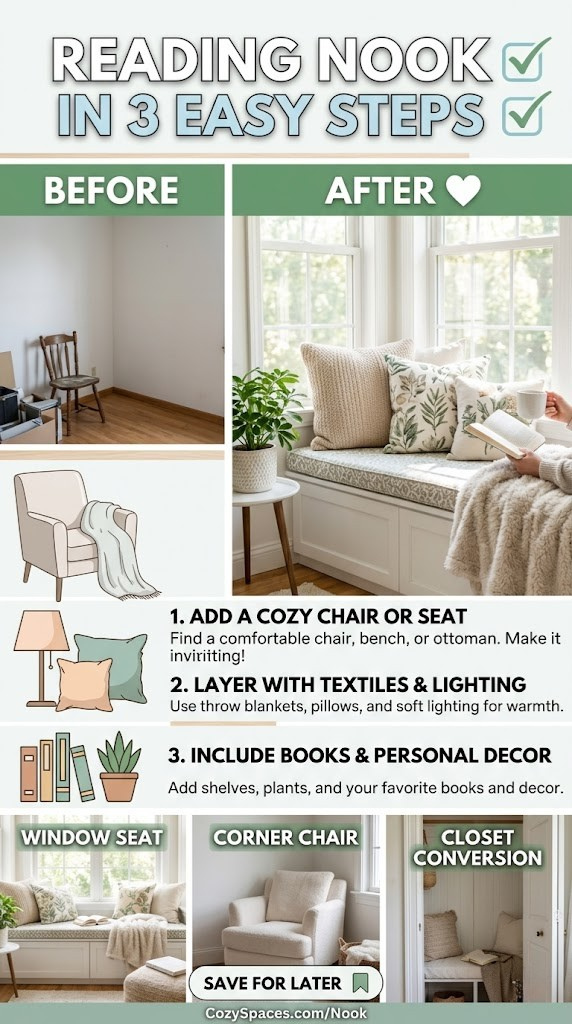
A reading nook transforms unused corners into personal retreats dedicated to quiet contemplation and literary escape. This cozy micro-space requires minimal square footage but delivers maximum comfort and charm. The essential elements include comfortable seating scaled to the space, excellent task lighting, a small surface for beverages, and storage for current reads.
Window seats provide classic reading nook charm by combining natural light, views, and architectural interest. If you lack built-in window seats, position a comfortable chair or small chaise near a window to capture similar benefits. Add floor-length curtains for light control and a small side table for tea and books. Layer the seat with plush cushions and a soft throw for optimal coziness.
For corners without window access, create coziness through good artificial lighting and visual interest. A comfortable armchair, floor lamp with adjustable arm, floating shelf for book storage, and small ottoman for foot elevation transform forgotten corners into favorite spots. Consider wall-mounted reading lights to save floor space in tight quarters.
Mix Textured Throw Pillows for Depth and Visual Interest
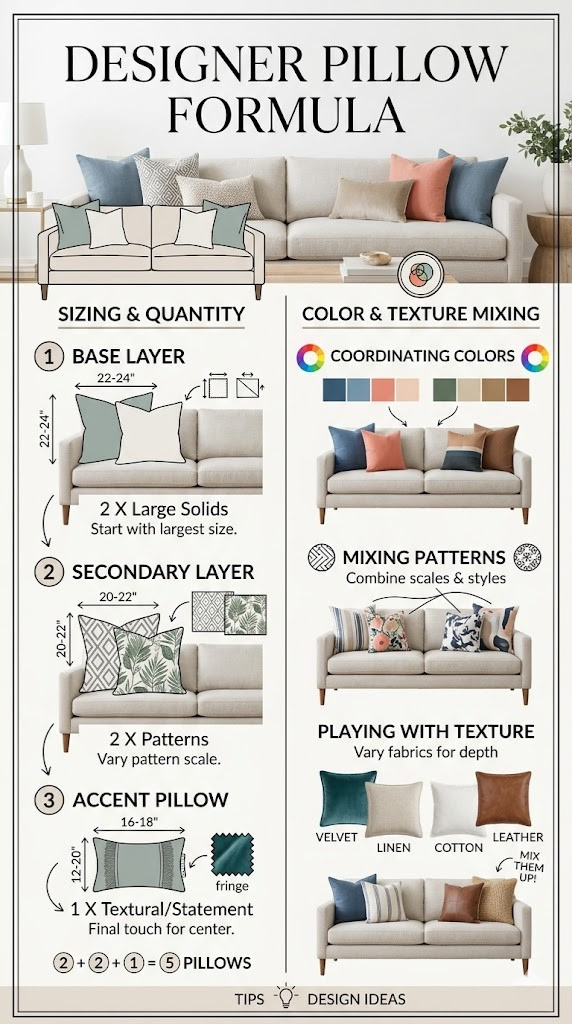
Throw pillows are the jewelry of interior design—small investments that deliver dramatic impact. The key to professional-looking pillow arrangements lies in mixing textures, varying sizes, and following proven formulas rather than random placement. A well-pillowed sofa invites sitting, adds color and pattern, and creates that layered, collected look synonymous with cozy homes.
Use the designer’s 3-5-7 rule: odd numbers create visual balance. For a standard sofa, five pillows work perfectly: two large solid pillows (22″ square) at each end, two medium patterned pillows (18-20″) inside those, and one small accent pillow (16″) in the center. This arrangement provides both aesthetic appeal and functional comfort—you can remove decorative pillows when sitting while maintaining the styled look.
Texture Mixing Mastery
Combine at least three different textures in your pillow collection. Pair smooth velvet with nubby linen and chunky knit for maximum tactile interest. Add faux fur, leather, or woven materials for additional dimension. The varied textures catch light differently throughout the day, creating visual depth that solid fabrics can’t achieve. This texture layering feels luxurious while being surprisingly affordable—you can find quality textured pillow covers for $15-30 each.

Mix & Match Beautiful Throw Pillows
Discover textured throw pillows in velvet, linen, knit, and more. Create designer-worthy pillow arrangements!
Shop Throw Pillows →Layer Candles and Natural Scents Throughout Your Home
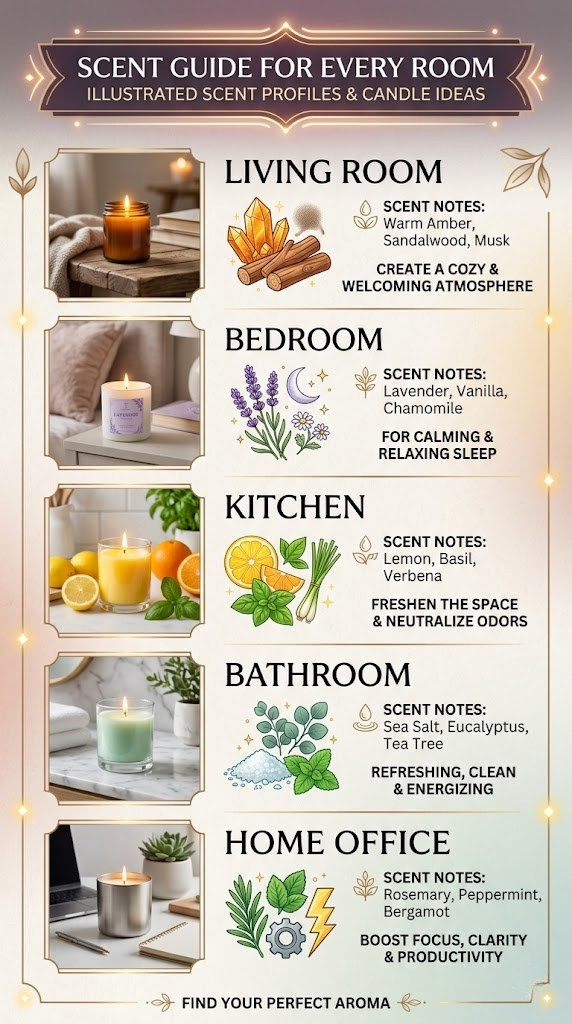
Scent is the most underutilized tool in creating cozy atmospheres, yet it’s incredibly powerful—smell connects directly to memory and emotion in ways visual elements cannot. Strategic scenting makes your home feel welcoming, seasonal, and uniquely yours. The goal is subtle layering of natural fragrances that enhance rather than overwhelm, creating an olfactory signature that makes coming home feel like a warm embrace.
Candles serve dual purposes: flickering visual warmth and gentle fragrance. Choose soy or beeswax candles with cotton wicks and natural fragrances rather than synthetic paraffin options that release toxins. Vanilla, sandalwood, cedarwood, cinnamon, and pine scents universally create cozy associations. Group candles in odd numbers at varying heights on mantels, coffee tables, and bathroom counters for maximum impact.
Beyond Candles: Natural Scenting Methods
Simmer pots provide chemical-free home fragrance using items from your kitchen. Fill a small pot with water, add orange slices, cinnamon sticks, whole cloves, and vanilla extract, then simmer on low heat. The steam carries natural fragrance throughout your home while adding humidity during dry winter months. Refresh with fresh ingredients as scent fades.
Essential oil diffusers offer consistent, adjustable fragrance without flame. Ultrasonic diffusers create cool mist while dispersing oils, adding both scent and beneficial humidity. Blend oils to create custom signatures: lavender and vanilla for bedrooms, eucalyptus and mint for bathrooms, orange and clove for living areas, rosemary and lemon for kitchens.
Incorporate Natural Wood Elements for Organic Warmth
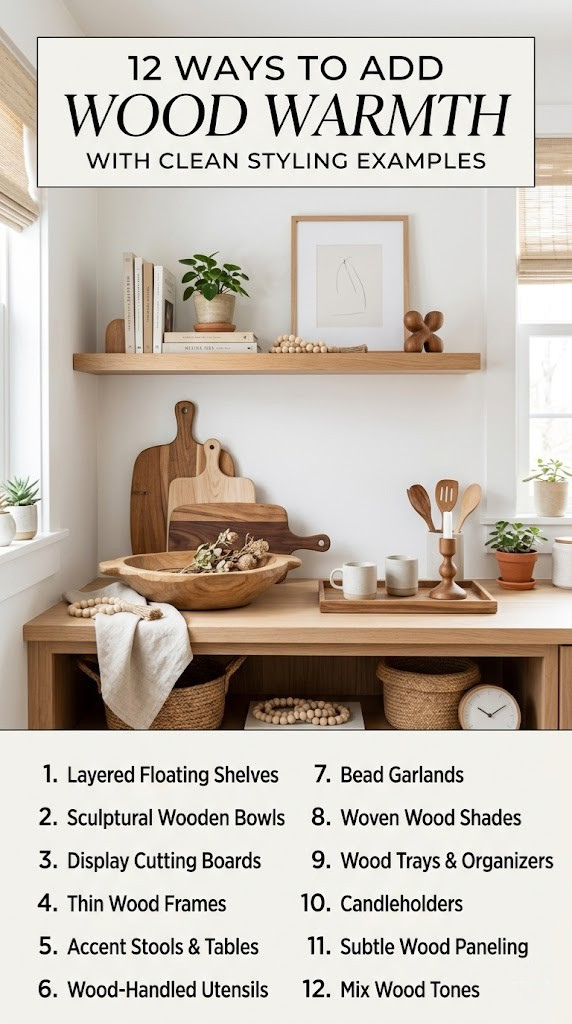
Wood brings irreplaceable warmth and organic texture that synthetic materials cannot replicate. Whether your style leans modern, traditional, or eclectic, incorporating natural wood elements grounds spaces in nature while adding visual and tactile richness. The grain patterns, color variations, and natural imperfections make each piece unique, contributing to that collected-over-time feel central to cozy aesthetics.
Start with functional wood pieces that serve dual purposes: wooden cutting boards propped as kitchen art, wood serving bowls as centerpieces, rustic picture frames, floating wood shelves, and wood side tables. These items provide utility while contributing significantly to the overall warm atmosphere. Don’t worry about matching wood tones perfectly—mixing oak, walnut, and lighter woods creates depth and interest rather than monotony.
Styling Wood Without Going Full Farmhouse
Modern spaces benefit from wood’s warmth without embracing rustic farmhouse vibes. Choose clean-lined wood furniture in darker tones, incorporate smooth finished woods rather than distressed pieces, and balance wood with metal and glass elements. A sleek walnut coffee table, minimalist wood picture frames, and a single live-edge wood bowl create warmth while maintaining contemporary sophistication.
Install Proper Window Treatments for Light Control and Privacy
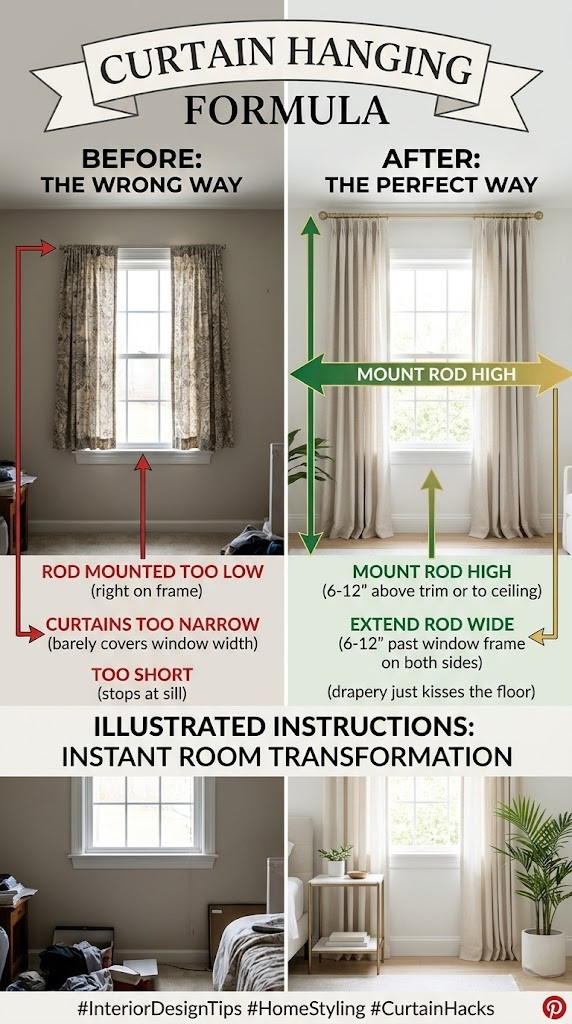
Window treatments dramatically impact room coziness by controlling natural light, providing privacy, and softening hard architectural lines. The right curtains make rooms feel taller, wider, and more intentionally designed. Yet many homes suffer from ill-fitting treatments—too short, too narrow, poorly mounted—that actively detract from coziness rather than enhancing it.
Follow the golden rules of curtain hanging: mount rods 4-6 inches above the window frame to create height illusion, extend rods 8-12 inches beyond each window side to allow curtains to stack off the glass when open, and always choose floor-length panels that just kiss the floor. These three simple rules make windows look custom and expensive regardless of actual curtain cost.
Layering for Function and Style
Layer sheer curtains behind heavier drapes for maximum versatility. Sheers provide daytime privacy while allowing natural light to filter through softly. Heavier outer curtains offer complete privacy and light blocking for bedrooms and media rooms. This layered approach also adds visual depth and sophisticated styling that single-layer treatments lack. Both layers should extend to the floor for polished appearance.
For ultimate light control, install blackout curtains or roller shades behind decorative curtains in bedrooms. The hidden blackout layer provides complete darkness for quality sleep while maintaining aesthetic appeal. This combination works particularly well for shift workers, children’s rooms, or anyone sensitive to early morning light.
Layer Your Bedding Like a Five-Star Hotel
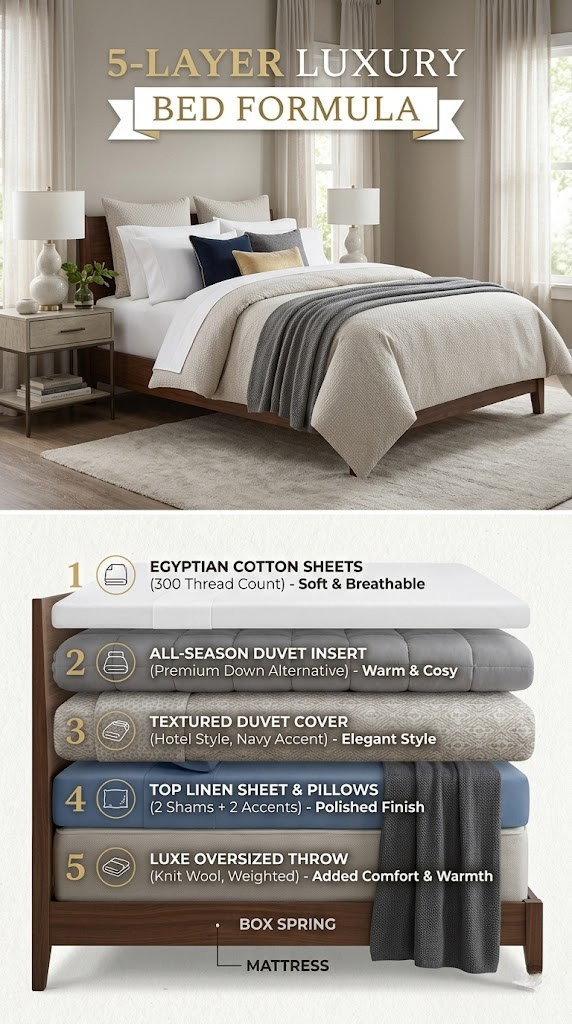
Hotel beds aren’t magic—they follow a proven layering formula that creates that cloud-like, sink-in appeal. Replicating this at home requires understanding the purpose of each layer and building them systematically. The result is a bed so inviting you’ll actually want to make it each morning just to recreate that luxurious look.
The five-layer formula: (1) fitted sheet, (2) flat sheet folded down 6-8 inches at top, (3) lightweight blanket or coverlet, (4) duvet or comforter, (5) throw blanket casually draped at foot. Each layer serves a purpose while contributing to the overall plush appearance. This system also provides flexibility—remove layers as seasons warm, add extras during winter.
Pillow Arrangement Strategy
Hotels use 6-8 pillows for queen beds, 8-10 for kings. The arrangement: two sleeping pillows per person at the back (standard or queen size), two Euro shams (26″ square) in front of those, two decorative pillows in front, and optional small accent pillow or lumbar pillow at the very front. This progression from large to small creates pyramid-like depth that photographs beautifully and looks professionally styled.
Remove decorative pillows at night rather than sleeping on them. Store them in a large basket beside the bed or on a bedroom bench for easy access during morning bed-making. This practical approach maintains the styled look without pillow-wrestling at bedtime.
Transform Your Bathroom Into a Personal Spa Sanctuary
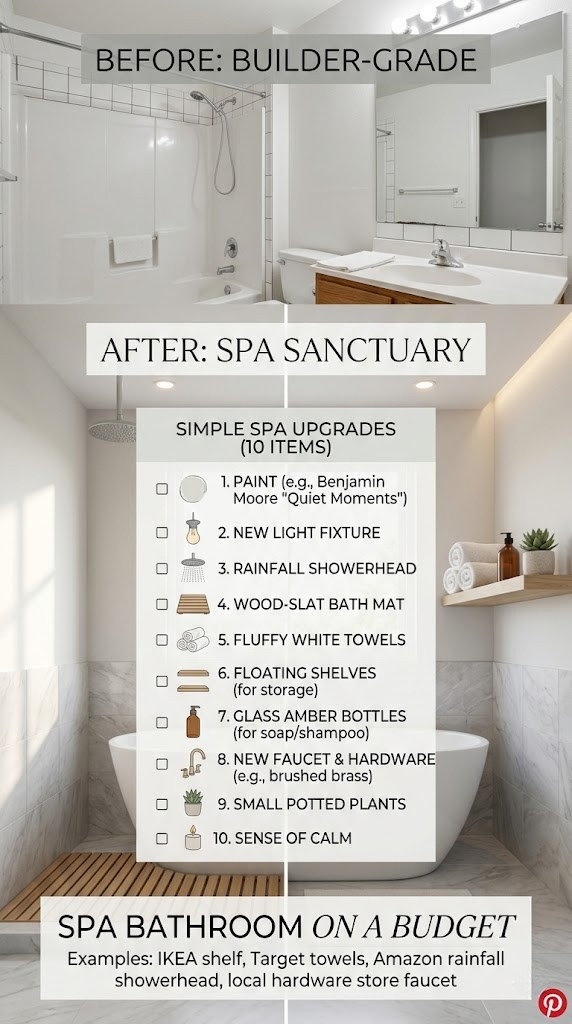
Bathrooms often receive the least decorative attention, yet transforming this utilitarian space into a spa-like retreat elevates daily routines into self-care rituals. Small, strategic upgrades create significant impact without requiring renovation budgets. The goal is engaging all senses: calming scents, soft textures, warm lighting, and organized serenity.
Start with the essentials: plush bath mat (the first thing your feet touch post-shower), fluffy white towels (hotel-inspired simplicity), and good storage to eliminate counter clutter. Add a bamboo shower caddy, wooden bath tray for tub-side relaxation, glass apothecary jars for cotton balls and swabs, and a small stool or bench if space allows. These functional pieces elevate aesthetics while improving organization.
Sensory Enhancement
Hang fresh eucalyptus bundles from your showerhead—steam releases the oils, creating aromatic therapy during every shower. Replace harsh overhead bulbs with warm-toned LEDs and add battery-operated candles for relaxing bath-time ambiance. Install a dimmer switch if possible to adjust lighting for different moods. Place a small potted plant (snake plant or pothos thrive in bathroom humidity) to add life and improve air quality.
Add Warmth to Your Kitchen with Simple Updates

Kitchens can feel cold and sterile, especially in rentals with builder-grade finishes. Combat clinical vibes with warm touches that don’t require landlord approval or major investment. The heart of the home should feel inviting, not institutional. Focus on adding natural materials, warm textiles, and personal touches that make cooking and gathering feel joyful rather than obligatory.
Display beautiful cutting boards propped against backsplashes as functional art. Keep a collection of pretty dish towels in warm colors hanging from the oven handle or folded on the counter. Add a small area rug or kitchen runner (washable, low-pile) in front of the sink for comfort and style. Install under-cabinet LED strip lighting for warm task lighting that supplements harsh overhead fixtures. Learn more about creating welcoming kitchen spaces with our guide to essential kitchen tools for cozy homes.
Open Shelving and Display
Replace one or two upper cabinets with open shelving to display your prettiest dishes, glassware, and serving pieces. This creates visual interest while making frequently used items more accessible. Style shelves with a mix of functional items and decorative pieces—stack white plates, add a small potted herb, display a pretty pitcher. Open shelving works particularly well for coffee/tea stations, creating dedicated zones that feel intentional and cozy.
Bring Life Indoors with Easy-Care Plants
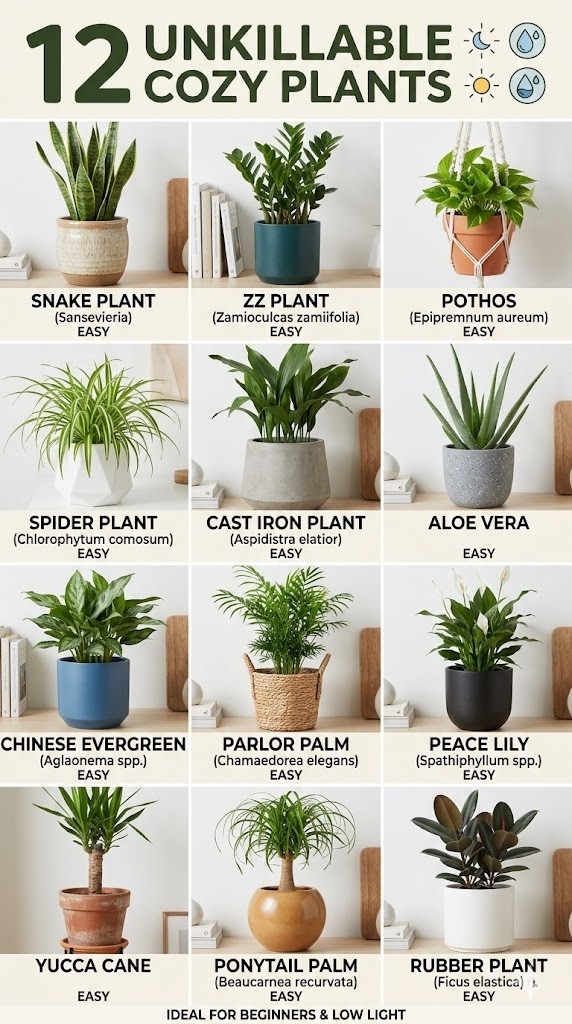
Nothing makes a house feel alive quite like living greenery. Plants improve air quality, add organic texture, introduce vibrant color, and create connection to nature even in urban apartments. The key is choosing low-maintenance varieties that thrive on benign neglect rather than requiring intensive care. You don’t need a green thumb—just the right plants.
Start with foolproof varieties: pothos (tolerates low light and irregular watering), snake plant (survives extreme neglect), ZZ plant (virtually indestructible), spider plant (thrives anywhere), and rubber tree (dramatic impact, easy care). These hardy plants forgive forgotten waterings and adapt to various light conditions, making them ideal for beginners or busy households.
Strategic Plant Placement
Distribute plants throughout your home rather than clustering them all in one room. A large floor plant in living room corners softens harsh angles. Trailing pothos on bookshelves adds cascading greenery. Small succulents on bathroom counters thrive in humidity. Herbs on kitchen windowsills provide fresh ingredients and pleasant aromas. This distribution creates cohesive plant-filled atmosphere rather than isolated “plant corner.”
Choose pots and planters that complement your decor style. Modern homes benefit from sleek ceramic or concrete pots in neutral tones. Bohemian spaces embrace woven baskets and macrame hangers. Traditional styles suit classic terracotta or glazed ceramics. The container matters as much as the plant itself in creating cohesive cozy aesthetics.

Bring Your Home to Life with Plants
Shop easy-care indoor plants perfect for beginners. Pothos, snake plants, ZZ plants and more!
Shop Indoor Plants →Style Bookshelves and Display Surfaces with Intention
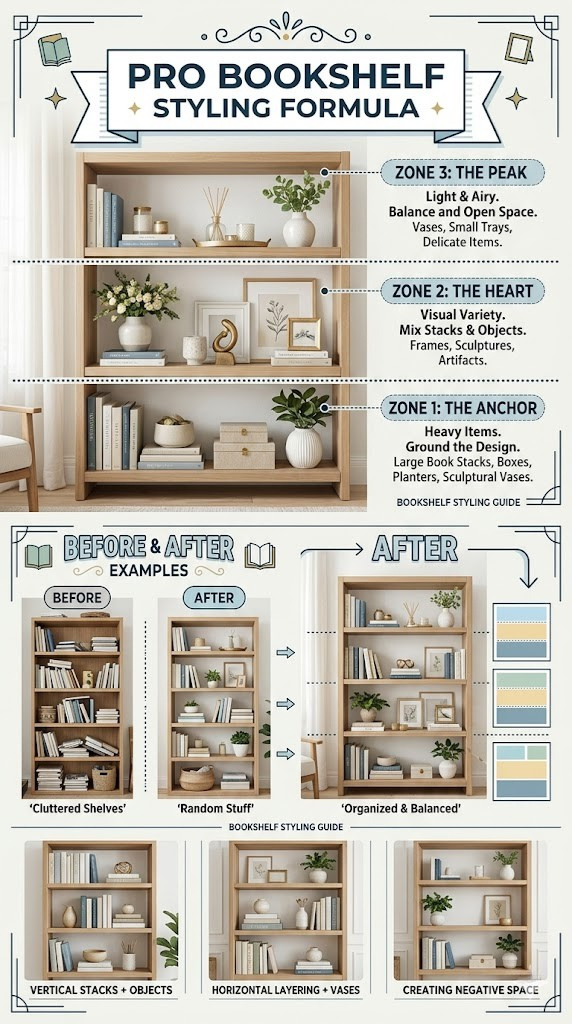
Bookshelves showcase personality while providing essential storage, but the difference between cluttered chaos and curated collection lies in intentional styling. The three-zone method creates balanced arrangements: books (vertical spines and horizontal stacks), decorative objects (varied heights and materials), and negative space (breathing room that prevents visual overwhelm).
Follow the rule of thirds: roughly one-third books, one-third decorative objects, one-third empty space. This prevents the overstuffed library look while maintaining functionality. Mix vertical and horizontal book orientations—stack 2-4 books horizontally, top with a small object, then return to vertical spines. This rhythm creates visual interest while maximizing storage capacity.
What to Display
Successful shelf styling includes: books you actually read or love (avoid fake decorative books—they feel dishonest), meaningful objects from travels or inherited pieces, small plants or greenery, framed family photos, candles, sculptural objects, and decorative boxes for hidden storage. Vary heights and group objects in odd numbers (3 or 5 items together) for professional-looking arrangements.
Invest in Truly Comfortable Seating
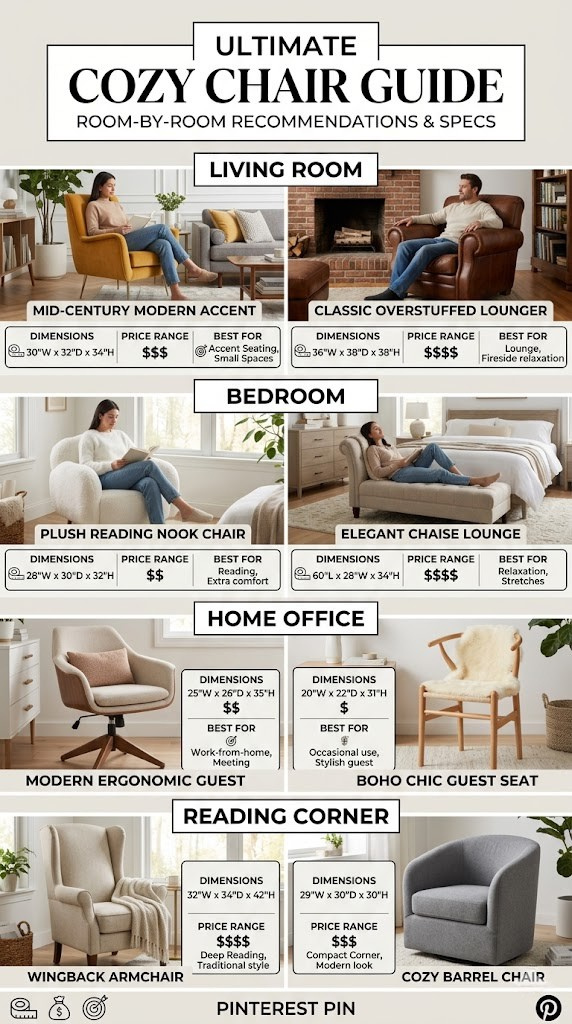
Furniture can look beautiful but feel terrible—the ultimate cozy home prioritizes comfort above aesthetics. Test before buying whenever possible. Sit deeply in chairs, stretch out on sofas, and imagine spending hours in that position. Proper comfort requires adequate depth (24″ minimum for deep seating), supportive cushions that don’t bottom out, and dimensions that suit your body size.
Living rooms benefit from seating variety: a deep sofa for lounging, supportive armchairs for conversation, and an oversized reading chair with ottoman. This diversity accommodates different activities and body positions throughout the day. Consider slipcovers for easy cleaning and seasonal updates—they protect investments while allowing style flexibility. Explore our recommendations for cozy recliners and lounge chairs that combine style with supreme comfort.
Fabric Selection for Durability
Choose performance fabrics for high-use pieces, especially with pets or children. Modern performance fabrics feel soft while resisting stains, fading, and wear. Leather develops beautiful patina rather than looking damaged as it ages. Microfiber offers budget-friendly stain resistance. Avoid delicate fabrics like silk or linen on primary seating—save those for decorative pillows you can easily wash or replace.
Rotate Seasonal Decor to Keep Spaces Fresh
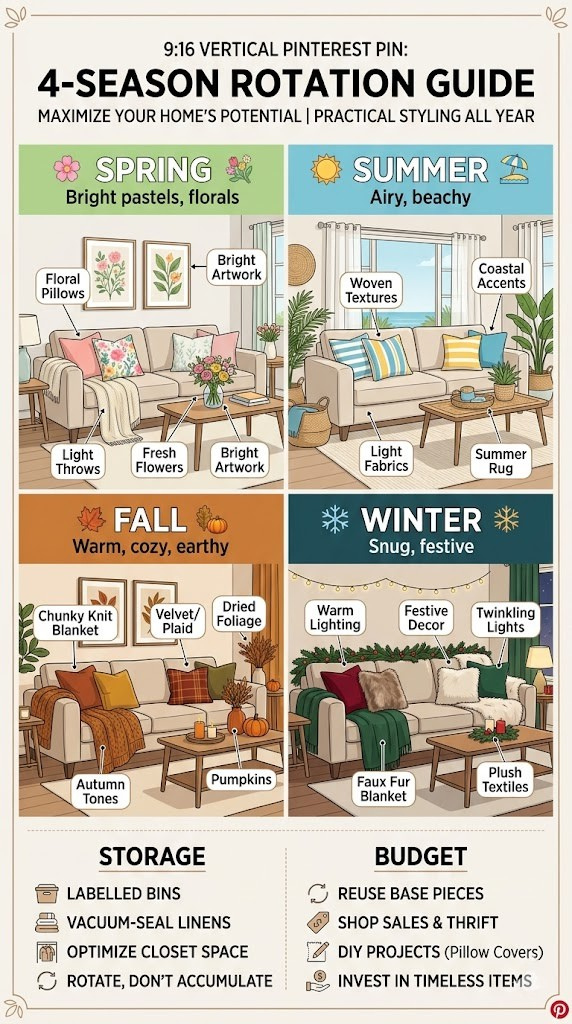
Seasonal rotation prevents visual fatigue while keeping your home aligned with nature’s cycles. You don’t need to redecorate entirely—strategic swaps in high-visibility areas create fresh looks without overwhelming effort or storage requirements. Focus on easily changeable elements: throw pillow covers, mantel decor, entry table vignettes, and lightweight throws.
Invest in zip-on pillow covers rather than complete pillows—swap covers seasonally while keeping the same inserts. This approach saves money and storage space while allowing dramatic color and pattern changes. Store off-season covers flat in labeled bins. Similarly, maintain one foundational throw blanket year-round, rotating in seasonal accent throws for color and texture variation.
Seasonal Color Palettes
Spring: soft pastels, fresh greens, whites and creams with flower accents. Summer: bright whites, blues, yellows, and natural textures like jute and rattan. Fall: rich earth tones including terracotta, burgundy, mustard, and warm browns with pumpkins and dried florals. Winter: cool whites, silvers, deep forest greens, and burgundy with evergreen and metallic accents. These palette shifts keep spaces feeling current and connected to the outside world.
Implement Beautiful Storage Solutions
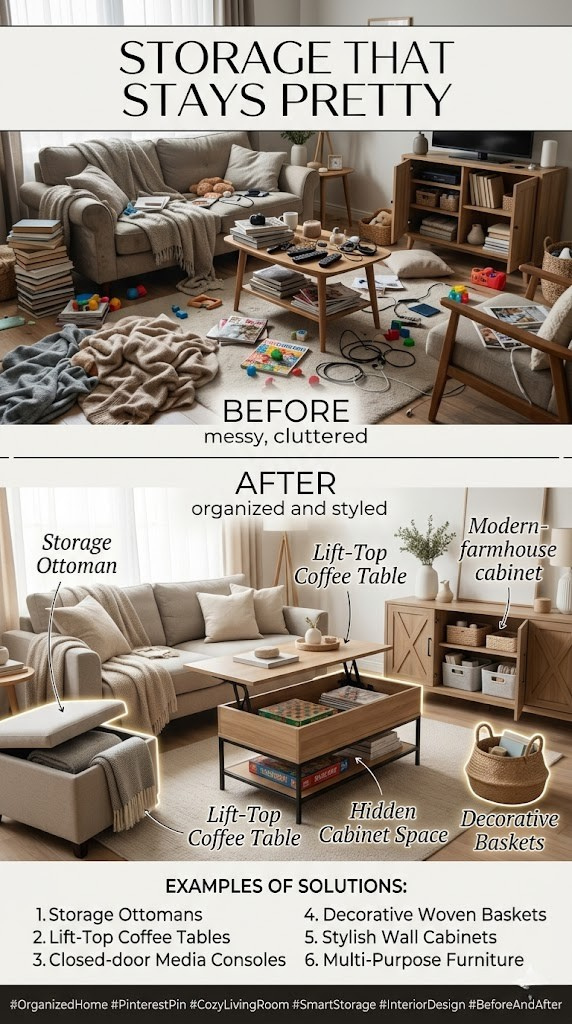
Cozy doesn’t mean cluttered—in fact, visual clutter directly opposes coziness by creating stress rather than calm. The solution lies in storage that’s both functional and beautiful, hiding necessary items while contributing to overall aesthetics. Every item should have a designated home, preferably one that looks intentional rather than purely utilitarian.
Invest in quality storage pieces that earn their keep: ottomans with hidden storage for blankets, console tables with drawers for entry organization, decorative baskets in various sizes for corralling items, floating shelves with pretty boxes, and under-bed storage for seasonal items. These dual-purpose pieces maintain organized spaces without sacrificing style. Consider adding a blanket chest or storage trunk that serves as both seating and storage while enhancing room aesthetics.
The Basket Strategy
Woven baskets are cozy storage champions—they hide clutter while adding organic texture and warmth. Keep baskets near sofas for throw blanket storage, in bathrooms for toilet paper and toiletries, in entryways for shoes and bags, and under console tables for mail and keys. Choose natural materials like seagrass, water hyacinth, or woven rattan that complement rather than compete with other decor elements.
Add Dimension with Textured Wall Treatments
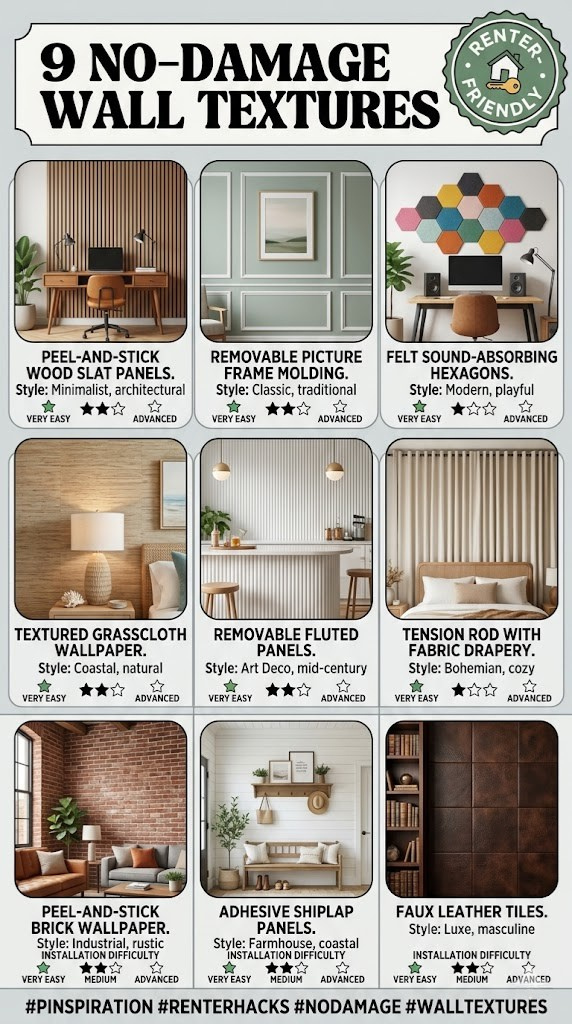
Flat painted walls feel one-dimensional and cold regardless of color choice. Adding texture creates depth, visual interest, and that layered look characteristic of cozy spaces. The good news? Many texture additions work perfectly for renters, requiring no nails or permanent alterations.
Removable wallpaper has revolutionized rental decorating. Modern peel-and-stick options feature sophisticated patterns and textures, install easily, and remove cleanly without damage. Choose subtle textures like linen-look, grasscloth, or tone-on-tone patterns rather than bold prints for timeless cozy appeal. Apply to one accent wall rather than entire rooms to avoid overwhelming smaller spaces.
Three-Dimensional Wall Decor
Macrame wall hangings, woven baskets hung as art, floating shelves with styled objects, large mirrors with interesting frames, and fabric tapestries all add literal dimension to flat walls. These elements create shadows and depth that change throughout the day as light shifts, adding dynamic visual interest impossible with purely flat decor. Group smaller pieces in gallery wall arrangements for maximum impact.
Infuse Your Space with Personal Meaning
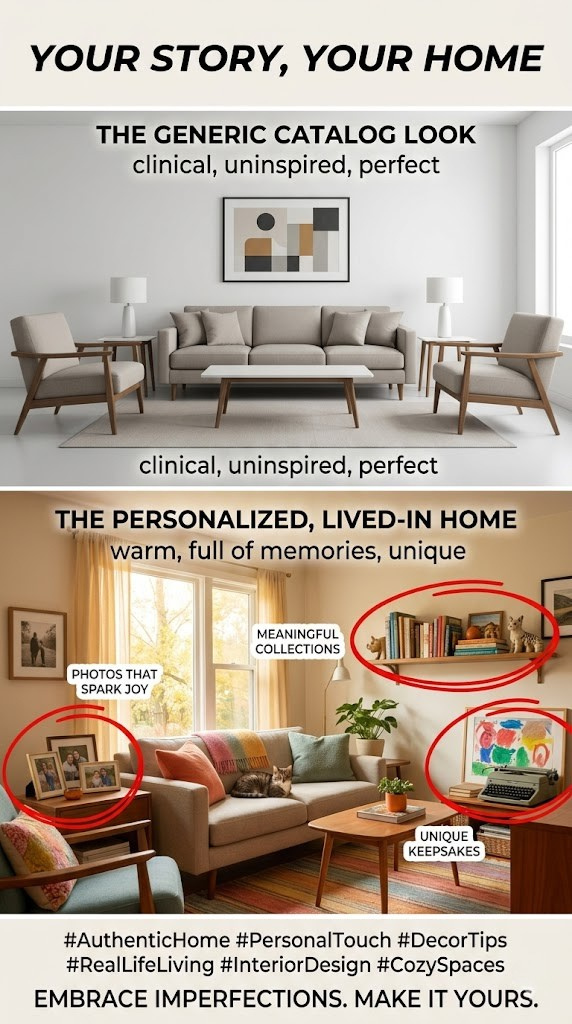
The coziest homes tell stories about the people living there. Generic catalog showrooms feel cold because they lack soul and history. Your home should reflect your experiences, relationships, travels, and passions. This doesn’t mean cluttering every surface with tchotchkes—it means thoughtfully displaying meaningful items that spark joy and conversation.
Create gallery walls with family photos in coordinating frames. Display souvenirs from meaningful travels. Frame children’s artwork professionally. Show off inherited pieces from grandparents. Style bookshelves with books you’ve actually read and loved. These personal touches transform houses into homes while providing natural conversation starters when guests visit.
Balancing Personal and Aesthetic
The challenge lies in displaying personal items beautifully rather than haphazardly. Use consistent framing for cohesive photo walls. Dedicate specific surfaces or shelves to collections rather than scattering them everywhere. Edit ruthlessly—display your favorite 20 photos rather than every photo you’ve ever taken. Rotate displayed items seasonally to keep things fresh while honoring more memories over time.
Integrate Smart Technology Without Sacrificing Warmth

Technology and coziness aren’t mutually exclusive—in fact, smart home tech can enhance comfort when implemented thoughtfully. The key is hiding wires, choosing devices in neutral colors, and focusing on technology that genuinely improves daily comfort rather than adding complexity for its own sake.
Smart lighting systems allow perfect warm light control via phone or voice. Set scenes for different times of day—bright and energizing for morning, warm and dimmed for evening. Schedule lights to turn on before you arrive home, welcoming you into a lit space. Smart thermostats maintain ideal temperatures without constant adjustment while reducing energy costs. These invisible improvements enhance coziness without cluttering spaces with visible tech.
Sound and Entertainment
Install in-ceiling or in-wall speakers for ambient music without visible equipment. Wireless sound systems hidden in furniture provide high-quality audio for background music, podcasts, or white noise without the tangle of visible wires and black boxes. Smart plugs automate lamps and other devices, turning them on/off on schedules that align with your routines. Mount televisions on walls and hide cords in cable management channels for clean, uncluttered entertainment areas.

Upgrade to Smart Cozy Living
Discover smart home devices that enhance comfort without sacrificing warmth. Perfect lighting, ideal temperature, ambient sound!
Shop Smart Home Tech →Frequently Asked Questions About Cozy Home Decor
Warm, earthy tones create the most universally cozy atmosphere. Think warm whites, creams, soft beiges, warm grays, terracotta, rust, deep browns, and muted jewel tones like burgundy or forest green. These colors mimic natural elements—sand, wood, stone, autumn leaves—that humans instinctively find comforting. Cool tones can still feel cozy when layered with warm lighting and rich textures. The key is avoiding stark whites and cold blues without warm undertones or balancing elements.
Focus on high-impact, low-cost changes: Replace all light bulbs with warm white LEDs ($20-40 total). Add affordable throw blankets from discount stores ($15-30 each). Purchase a few throw pillows in warm colors and varied textures ($10-25 each). String fairy lights for ambient lighting ($8-15). Add inexpensive candles and candle holders throughout. Rearrange furniture to create intimate conversational groupings. Shop thrift stores for vintage baskets, frames, and decor. The total investment can be under $200 while dramatically transforming your space’s coziness.
Cozy features intentional layering with purpose and breathing room, while clutter lacks organization and overwhelms the eye. Cozy spaces maintain clear walkways and surfaces, with decorative items grouped deliberately rather than scattered. Every item serves a function—either practical use or genuine aesthetic pleasure. If something doesn’t make you happy or serve a purpose, it’s clutter rather than cozy. Regular decluttering maintains the cozy without crossing into chaos.
Absolutely! Scandinavian design proves minimalism and coziness perfectly coexist. The key is emphasizing quality over quantity—fewer items but each one beautiful, functional, and meaningful. Focus on natural materials (wood, wool, linen), warm lighting, and a few statement textiles rather than abundance. Negative space actually enhances coziness by allowing individual elements to breathe and be appreciated. Minimalist cozy relies on impeccable quality and thoughtful placement of fewer pieces.
Choose pet-friendly fabrics and materials from the start. Microfiber and performance fabrics resist staining and cleaning easily. Washable slipcovers allow easy cleaning without replacing furniture. Leather develops beautiful patina from pet wear rather than looking damaged. Keep waterproof pet blankets on furniture for protection that maintains aesthetics. Select darker colors and patterns that hide hair and minor stains. Provide designated cozy spots for pets with their own beds and blankets so they don’t colonize all the furniture.
Warm, natural scents create cozy ambiance: vanilla, cinnamon, cedarwood, sandalwood, pine, baked goods, coffee, and wood smoke all trigger comfort associations. Avoid synthetic air fresheners that smell artificial. Use essential oil diffusers, soy candles with natural fragrances, simmer pots with cinnamon sticks and citrus, or bake cookies. Layer scents subtly rather than overwhelming—cozy smells gentle and natural, not overpowering.
Four times yearly aligns with seasons: spring (March), summer (June), fall (September), and winter (December). However, many people prefer two main rotations: warm weather (spring/summer) and cold weather (fall/winter). Change when it feels right for your climate and lifestyle. Some items like neutral throw blankets stay year-round, while seasonal accents like pillows, candles, and mantel decor rotate. The goal is keeping your space feeling fresh without constant upheaval.
Not at all! While fireplaces provide wonderful focal points, coziness comes from layered elements: warm lighting, soft textiles, comfortable seating, and thoughtful styling. Electric fireplaces, candle collections, or simply a well-styled corner with a comfortable chair and good lighting create equally cozy atmospheres. Focus on the feeling rather than specific architectural features.
Warm white (2700K-3000K) LED bulbs in multiple sources at varying heights create optimal coziness. Avoid overhead lighting in favor of table lamps, floor lamps, and wall sconces. Install dimmers on all switches to adjust brightness for different moods. Layer in candles (real or LED) for flickering warmth. Use lampshades that diffuse light rather than directing it harshly downward. The goal is gentle, ambient illumination rather than bright task lighting throughout.
Focus on removable elements: throw blankets, pillows, area rugs, curtains on tension rods, removable wallpaper, peel-and-stick tile, freestanding furniture, table and floor lamps, and decorative accessories. These transform spaces without damaging walls or requiring landlord approval. Command strips allow hanging artwork without nails. Furniture arrangement creates coziness regardless of wall color. When you move, everything goes with you to cozy your next space.
Creating Your Personal Cozy Sanctuary
Transforming your house into a cozy home is a journey, not a destination. Start with the ideas that resonate most strongly with your personal comfort preferences and build from there. Remember that true coziness emerges from spaces that reflect your authentic self—not magazine perfection, but genuine warmth that welcomes you home.
The most successful cozy homes layer multiple elements gradually over time. Begin with foundational changes like lighting and textiles, then add layers of personality through collections, seasonal rotations, and discovered treasures. This organic evolution creates spaces with soul and story rather than staged showrooms.
Your cozy home awaits—start with just one idea today and watch as warmth and comfort transform your daily living experience. The small moments of contentment—wrapping in a soft blanket, reading by warm lamplight, sinking into a plush rug—accumulate into a life of enhanced well-being and joy.
Shop Cozy Home Essentials →