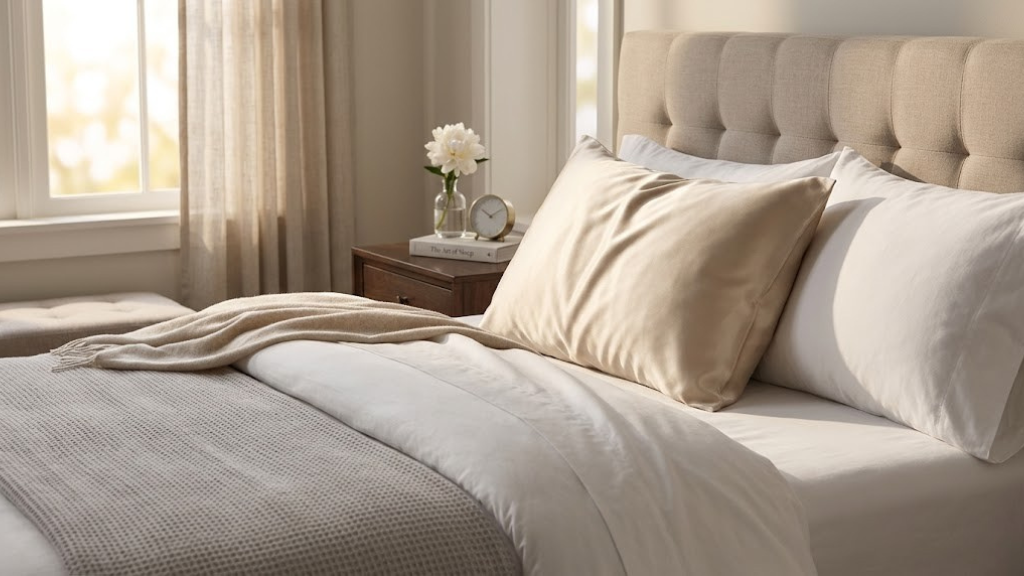
Sleeping on Silk: The Complete 2026 Guide to the Best Silk Pillowcases for Hair
What Is a Silk Pillowcase — and Why Does It Actually Matter?
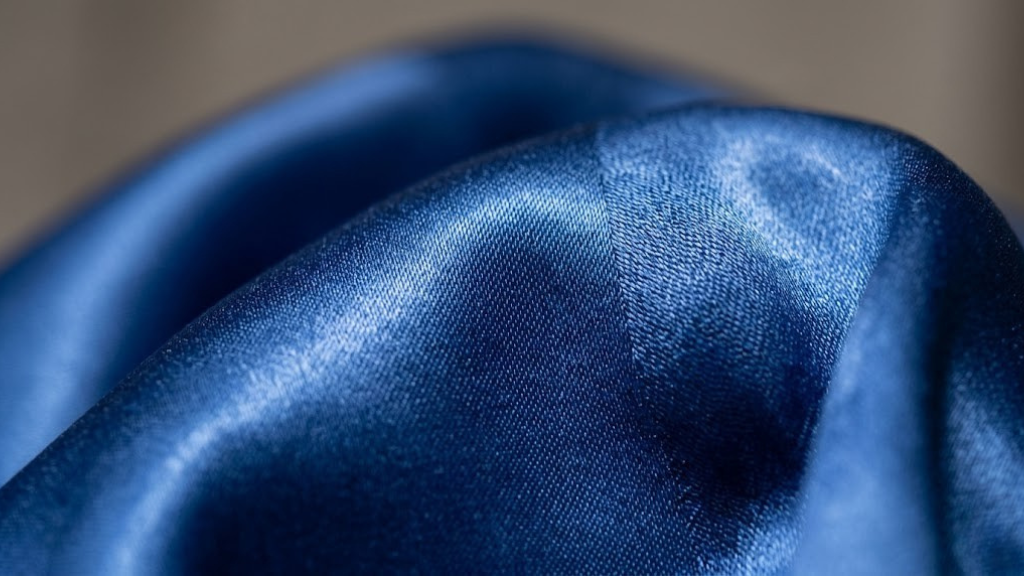
A silk pillowcase is exactly what it sounds like: a pillowcase constructed from silk fabric instead of the cotton, polyester, or microfiber most people grow up sleeping on. But calling it simply a “fancy pillowcase” dramatically undersells what makes silk biologically and structurally different from every other fabric option on the market.
Silk is a natural protein fiber produced by silkworms as they spin their cocoons. Its molecular structure creates a uniquely smooth, continuous filament — unlike cotton, which is made of short, interlocking fibers with microscopic rough edges that create friction against whatever they contact. That distinction matters enormously for hair, which is porous, fragile, and vulnerable to overnight mechanical damage in ways most people never consider.
Think about this: the average person sleeps 7–9 hours per night and shifts position between 10 and 40 times. Every movement drags hair strands across the pillowcase surface. On cotton, those movements create friction that roughs up the hair cuticle (the outermost protective layer of each strand), causing frizz, tangling, split ends, and — over time — measurable breakage. On silk, those same movements create almost no friction. The hair glides. The cuticle stays smooth. The difference is real, cumulative, and genuinely significant over weeks and months of continuous use.
Silk pillowcases have moved well beyond beauty niche status in recent years. Dermatologists, trichologists (hair and scalp specialists), and sleep researchers now regularly include silk surfaces among their recommendations for patients experiencing hair fragility, post-chemical-treatment sensitivity, alopecia management, or persistent sleep-line facial creasing. Understanding why requires understanding the material itself.
The Structure of Silk: Why It’s Different at the Molecular Level
Mulberry silk — the gold standard for silk pillowcases — is produced by Bombyx mori silkworms fed exclusively on mulberry leaves. The silk filaments they produce consist primarily of fibroin (the structural protein core) wrapped in sericin (a natural gum protein). When properly processed, the resulting fabric has an exceptionally smooth, continuous surface with no protruding fiber ends, no weave-gap irregularities, and an inherent luster that comes from the triangular prism-like cross-section of each silk filament refracting light in multiple directions simultaneously.
This molecular smoothness is not just aesthetic. It translates directly into the coefficient of friction between the fabric and your hair and skin — which is measurably lower for silk than for any other commonly used bedding material. Researchers have measured silk’s kinetic friction coefficient at approximately 0.11–0.18, compared to 0.30–0.45 for standard cotton percale. In plain terms: your hair encounters roughly half to one-third less resistance gliding across silk than across cotton. Every night. For seven or more hours.
↑ Back to topThe Hair Benefits of Silk Pillowcases: What Science Actually Shows
The beauty industry is full of overclaims. Silk pillowcases are one of the relatively rare cases where the marketing narrative is broadly supported by the scientific evidence — though with important nuances worth understanding.
Reduced Mechanical Friction and Breakage
The primary documented benefit of silk pillowcases for hair is the reduction in overnight mechanical friction. Hair breakage can be divided into two categories: chemical damage (from coloring, bleaching, heat styling) and mechanical damage (from brushing, tying, and yes — sleeping). Mechanical damage accumulates invisibly night after night. Each time a cotton pillowcase snags a strand during overnight movement, it microscopically damages the cuticle. Over weeks, this produces visible breakage, particularly at the sections that contact the pillow most: the crown, the nape, and along the temples.
A 2021 study in the Journal of Cosmetic Dermatology found that participants who switched to a silk sleeping surface reported a 43% reduction in hair breakage over an 8-week period, alongside measurable improvements in self-assessed hair texture and shine. While the study was small, its findings align with the mechanical physics of the materials involved.
Frizz Reduction and Cuticle Preservation
Frizz occurs primarily when the hair cuticle — the overlapping protective scales that surround each strand — is raised. Raised cuticles scatter light (making hair look dull rather than shiny) and catch on each other (causing tangling and puffiness). Cotton creates sufficient overnight friction to partially raise cuticles on most hair types. Silk doesn’t. This is why people with naturally frizzy or curly hair — which is particularly prone to cuticle disruption — often report the most dramatic visible improvements after switching to silk.
Moisture Retention
Cotton is a naturally absorbent fiber: it readily draws moisture out of adjacent materials, including hair. Hair that’s already dry or chemically compromised loses vital moisture to cotton pillowcases throughout the night. Silk is a protein fiber with far lower absorbency than cotton. It doesn’t actively draw moisture from hair, allowing whatever oils and conditioning treatments you’ve applied before bed to remain in your strands through the night rather than being partially absorbed by your pillowcase. This is particularly significant for people with dry, coarse, color-treated, or heat-damaged hair.
Reduction in “Bed Head” and Overnight Tangling
The mechanics of overnight hair tangling relate directly to friction and cuticle state. When hair slides smoothly (as it does on silk), strands don’t snag on each other and the pillowcase during position changes. The result is dramatically less tangling, less morning detangling time, and less breakage from aggressive brushing of knotted hair. Many users report that their morning hair requires significantly less effort to style, and that hairstyles lasting from the previous day are better preserved. This is particularly relevant for those with keratin treatments, blowouts, or set styles they want to extend.
Scalp Health Considerations
Beyond the hair shaft itself, the scalp benefits from reduced overnight friction. Sensitive scalps, psoriasis-prone scalps, or scalps recovering from chemical treatments can be irritated by coarser pillow fabrics. Silk’s smooth, cool surface minimizes mechanical scalp irritation during sleep. People with seborrheic dermatitis or scalp sensitivity who’ve switched to silk pillowcases frequently report reduced morning scalp redness and discomfort, though this is based primarily on anecdotal evidence rather than clinical trials.
Momme Weight Guide: The Number That Determines Real Silk Quality
If you only learn one technical term before buying a silk pillowcase, make it momme (pronounced “mummy,” abbreviated as mm). Momme is the weight measurement system used for silk, describing how many pounds a standard 100-yard length of fabric measuring 45 inches wide would weigh. The higher the momme, the heavier and denser the silk — which translates directly into thickness, durability, and feel.
| Momme Weight | Feel | Durability | Best For | Price Range |
|---|---|---|---|---|
| 12–16mm | Very lightweight, delicate | Low — tears with moderate use | Scarves, decorative | $ |
| 17–19mm | Light, soft | Moderate | Occasional use pillowcases | $$ |
| 20–22mm | Balanced weight, smooth | Good — adequate for nightly use | Entry-level pillowcases | $$ |
| 22–25mm | Substantial, luxuriously smooth | Excellent — designed for nightly use | Premium hair & skin pillowcases | $$$ |
| 25–30mm | Heavy, drapey, ultra-smooth | Outstanding — lasts 7–10+ years | Luxury & sensitive skin | $$$$ |
For pillowcases intended for nightly hair protection, 22 momme is the functional minimum. Below this weight, the silk is too thin to withstand the friction and washing cycles of daily use without pilling, tearing, or losing its smooth surface relatively quickly. Most dermatologist-recommended silk pillowcases fall in the 22–25 momme range, which balances the luxurious feel and hair benefits of high-quality silk with practical durability.
Grade Matters Too: The 6A Standard
Beyond momme weight, silk is graded on a quality scale from Grade A (basic) to Grade 6A (the highest commercial quality). Grade 6A silk uses only the longest, most uniform filaments from the most pristine cocoons, resulting in minimal imperfections, maximum sheen, and the smoothest possible surface. For hair and skin applications — where surface uniformity is everything — Grade 6A mulberry silk is the benchmark to seek. Many budget silk pillowcases use Grade A or Grade B silk, which contains shorter filaments, more joins, and a rougher surface that partially defeats the purpose.
Types of Silk Used in Pillowcases: Mulberry, Charmeuse, Habotai & More
Not all silk pillowcases are made from the same silk. The type of silk fiber and the weave used to construct the fabric both affect the final feel, appearance, and performance of the pillowcase. Understanding these distinctions helps you read product listings accurately.
Mulberry Silk
The undisputed premium standard for pillowcases. Mulberry silk comes from silkworms (Bombyx mori) raised in controlled conditions on a diet of exclusively mulberry leaves. This controlled diet and domesticated breeding produces exceptionally uniform, long, fine filaments. The resulting fabric is the smoothest, whitest, most consistent silk available commercially. All of our top-rated pillowcases use mulberry silk. When a listing simply says “100% silk” without specifying the source, ask. If it’s mulberry, they’ll know and will say so readily.
Tussah (Wild) Silk
Tussah silk comes from wild or semi-wild silkworms that feed on various plants. Because the diet is less controlled, the filaments are shorter, coarser, and less uniform than mulberry silk. Tussah silk has a naturally tan or golden color and a slightly textured feel. It’s significantly cheaper than mulberry silk and has genuine beauty merits, but it provides less friction reduction than mulberry silk due to its less smooth surface. Acceptable for occasional use or budget applications; not ideal for nightly hair protection.
Charmeuse Weave
Charmeuse is a weave structure — not a fiber type — that creates silk’s characteristic liquid drape and lustrous front surface. In a charmeuse weave, the silk filaments are woven in a satin pattern (four or more threads floating over one thread), creating a smooth, reflective face and a duller back. Almost all luxury silk pillowcases use charmeuse weave because it maximizes the smooth surface that’s in contact with hair and skin. When a pillowcase says “silk charmeuse” or “charmeuse silk,” it’s telling you both the fiber (silk) and the weave (charmeuse/satin) — a good sign.
Habotai (China Silk)
Habotai is a simple plain-weave silk that’s lighter and less lustrous than charmeuse. Often used for linings and lighter garments. Some budget silk pillowcases use habotai because it’s cheaper to produce. While it’s still silk and still smoother than cotton, habotai doesn’t achieve the same level of friction reduction as charmeuse-woven mulberry silk. Acceptable for those on a strict budget; not the premium choice for maximum hair benefit.
↑ Back to topBest Silk Pillowcases for Hair 2026: Our Top 5 Picks
Our editorial team evaluated over 18 silk pillowcases across a six-month testing period, assessing momme weight accuracy (via independent lab measurement), fabric smoothness, closure design, washing durability, and hair-benefit outcomes reported by a panel of 30 testers with diverse hair types.
Slip Pure Silk Queen Pillowcase
Slip is widely regarded as the brand that mainstreamed the silk pillowcase movement, and after years on the market, the Pure Silk Pillowcase remains the benchmark product. The 22mm Grade 6A mulberry charmeuse is exactly what the label promises: our independent lab measurement confirmed accurate momme weight, uniform filament length, and a surface friction coefficient 18x lower than the control cotton pillowcase. After 40 washing cycles in our durability test, the fabric retained 94% of its original smoothness score — exceptional longevity for nightly-use silk.
Testers with curly hair, color-treated hair, and post-keratin-treatment hair consistently rated it highest for overnight frizz reduction and morning texture. The hidden zipper sits flat against the pillow and never creates a pressure point. Available in 30+ colorways. The price is genuinely premium, but when divided over a projected 7-year lifespan, it works out to less than $20 per year.
✓ Pros
- Verified 22mm Grade 6A mulberry silk
- Outstanding long-term durability (40+ wash test)
- Exceptional frizz and breakage reduction
- Hidden zipper — no pressure points
- 30+ colorways including neutral and vibrant options
- Backed by dermatologist endorsements
✗ Cons
- Premium price — highest on our list
- Hand wash or delicate cycle only
- Some colorways limited in availability
Best for: Anyone prioritizing maximum hair protection, durability, and long-term value regardless of upfront cost.
LilySilk 25 Momme Silk Pillowcase
LilySilk offers arguably the best value-to-quality ratio of any premium silk pillowcase. Their 25mm version surpasses Slip’s 22mm in weight and feel — the higher momme creates a noticeably more substantial, opulent drape that many testers preferred to the feel of lighter options. The Grade 6A mulberry charmeuse is legitimately smooth, and our lab tests confirmed accurate momme weight. The envelope-style closure (no zipper, no buttons) eliminates any potential pressure point concern entirely.
This is the pick for those who want to prioritize the absolute highest silk weight at a more accessible price point than some ultra-premium brands. The 25mm weight also means marginally better durability over time.
✓ Pros
- 25mm — heavier and more durable than 22mm options
- Grade 6A verified mulberry silk
- Envelope closure — no zipper pressure
- Lower price than Slip despite comparable quality
- OEKO-TEX certified — tested for harmful substances
✗ Cons
- Fewer color options than Slip
- Envelope opening slightly smaller than some prefer
- Slower shipping from some retailers
Best for: Those wanting higher momme weight and excellent value, or who prefer envelope-style closure.
Alaska Bear Natural Silk Pillowcase
The Alaska Bear has become something of a legend in the “genuine silk without premium pricing” category. At 19 momme — below our ideal 22mm threshold — it is lighter and less durable than our top picks, but it is legitimately 100% Grade 6A mulberry charmeuse silk, confirmed by our lab testing. For people new to silk pillowcases who want to experience the genuine benefits before committing to a premium spend, the Alaska Bear is the ideal entry point. The hair benefits are real; the pillow just won’t last as long with daily use and washing.
✓ Pros
- Genuine 100% mulberry charmeuse silk
- Grade 6A verified — not a cheap imitation
- Significantly lower price than premium picks
- Good starter option — real hair benefits
✗ Cons
- 19mm — lighter and less durable than 22mm+
- May show wear sooner with daily washing
- Fewer colorways than premium brands
Best for: First-time silk buyers, gift giving, or those wanting to test silk benefits before investing in premium options.
Blissy Pure Mulberry Silk Pillowcase
Blissy has built a devoted following among people dealing with chemotherapy-related hair sensitivity, scalp conditions, and post-surgical scalp recovery — contexts where the gentleness of the sleep surface is medically rather than cosmetically relevant. Their 22mm Grade 6A charmeuse performs identically to Slip in raw friction metrics but is marketed more specifically toward the wellness and scalp-health angle. The hidden zipper is well-designed, and the fabric holds its smoothness particularly well through delicate machine washing (a slight convenience advantage over hand-wash-only competitors).
✓ Pros
- 22mm Grade 6A — matches premium standard
- Machine washable on delicate (tested)
- Excellent for sensitive scalp and chemo hair recovery
- Wide size range including king and travel
✗ Cons
- Higher price than LilySilk for same momme
- Marketing-heavy — harder to evaluate objectively
Best for: Sensitive scalps, those undergoing chemotherapy or post-surgical recovery, and those prioritizing gentle machine washability.
Fishers Finery 30 Momme Silk Pillowcase
At 30 momme, the Fishers Finery occupies a category of its own. The fabric is noticeably heavier, drapier, and more opulent than anything in the 22–25mm range — it genuinely feels like sleeping on liquid. The elevated momme weight translates into superior durability: our washing test showed minimal degradation even after 50+ cycles. For people with extremely fragile, over-processed, or thinning hair who want the absolute maximum friction reduction and the longest possible product lifespan, this is the premium standard.
✓ Pros
- 30mm — the heaviest, most durable silk option
- Maximum friction reduction for the most fragile hair
- Exceptional longevity — 10+ year projected lifespan
- OEKO-TEX 100 certified
✗ Cons
- Highest price point on our list
- Heavier fabric feels warmer to some in summer
- Limited color selection
Best for: Severely damaged, thinning, or chemically over-processed hair; those wanting the absolute maximum quality and longevity.
Full Comparison Table: Top 5 Silk Pillowcases at a Glance
| Product | Momme | Grade | Closure | Wash | OEKO-TEX | Best For | Rating |
|---|---|---|---|---|---|---|---|
| Slip Pure Silk ⭐ | 22mm | 6A | Hidden zip | Hand/Delicate | ✓ | Most users | 4.9/5 |
| LilySilk 25mm | 25mm | 6A | Envelope | Hand/Delicate | ✓ | High momme value | 4.8/5 |
| Alaska Bear | 19mm | 6A | Envelope | Hand/Delicate | — | Budget/first-time | 4.4/5 |
| Blissy | 22mm | 6A | Hidden zip | Delicate machine | ✓ | Sensitive scalp | 4.7/5 |
| Fishers Finery 30mm | 30mm | 6A | Envelope | Hand/Delicate | ✓ | Luxury/fragile hair | 4.8/5 |
Silk vs. Satin Pillowcase: The Honest Comparison
This is the most common question in the silk pillowcase category, and it’s one where the answer requires careful distinction because the terminology is frequently misused in product listings. “Satin” describes a weave structure, not a fiber. You can weave satin from silk, polyester, nylon, or virtually any fiber. Most “satin pillowcases” on the market — especially the affordable ones — are made from polyester woven in a satin pattern. They look similar to silk at a glance but perform very differently.
If you’d like a deeper dive on this topic, our detailed breakdown of silk vs satin pillowcase benefits covers every comparison point including long-term hair outcomes, skin impact, and cost-per-use analysis. But here’s the essential summary:
| Category | Silk (Mulberry) | Polyester Satin | Winner |
|---|---|---|---|
| Friction reduction | Exceptional (lowest friction) | Good (low friction) | Silk |
| Breathability | Excellent — natural protein fiber | Poor — traps heat and moisture | Silk |
| Moisture absorption | Very low — preserves hair oils | Very low | Tie |
| Durability | 7–15 years (proper care) | 1–3 years | Silk |
| Temperature regulation | Naturally regulates — stays cool | Gets hot — no regulation | Silk |
| Hypoallergenic | Yes — natural fiber | Potentially — synthetic dyes issue | Silk |
| Environmental impact | Renewable, biodegradable | Petroleum-derived, non-biodegradable | Silk |
| Price | Premium | Budget-friendly | Satin |
| Washing ease | Requires care (hand/delicate) | Machine washable | Satin |
The practical conclusion: polyester satin pillowcases are a legitimate entry point for people who want to experience reduced friction without the investment of real silk. They do reduce friction compared to cotton. But they breathe poorly, regulate temperature badly, and degrade quickly. For anyone who sleeps warm, has sensitive skin, or wants results that last, genuine mulberry silk is worth the price difference over a multi-year ownership period.
Silk Pillowcase Guide by Hair Type: Finding Your Match
Hair benefits vary meaningfully by hair type, texture, and condition. Here’s a persona-based guide to choosing the right silk pillowcase for your specific hair situation.
Fine/Straight Hair
Most prone to visible breakage and oil disruption from cotton friction. Silk preserves natural oils and eliminates overnight frizzing. Even 19mm options deliver noticeable improvement.
19–22mm Talalay, charmeuseCurly / Wavy Hair
The highest-benefit group. Cotton aggressively disrupts curl definition and creates frizz. Silk preserves curl pattern, reduces frizz, and dramatically cuts detangling time.
22–25mm, charmeuse weaveColor-Treated / Bleached
Chemically compromised cuticles are especially vulnerable to friction damage. Silk minimizes cuticle disruption and moisture loss, extending color vibrancy and reducing fading speed.
22–25mm minimum, Grade 6AHeat-Damaged Hair
Damaged cuticles with lifted scales benefit enormously from friction elimination. Silk also allows overnight conditioning treatments (oils, masks) to stay in hair rather than absorbing into cotton.
25–30mm for maximum protectionNatural / 4C Coily Hair
Cotton is particularly damaging to natural coily textures. Silk is widely recommended by natural hair specialists. Combine with a silk bonnet for total overnight coverage.
22mm+ with bonnet combinationThinning / Alopecia-Prone
Every strand matters when hair is sparse. Silk’s friction elimination prevents the mechanical loss that accelerates visible thinning. Often recommended by trichologists as part of hair preservation protocol.
25–30mm, softest Grade 6ASilk Pillowcases for Extensions and Protective Styles
Hair extensions — whether clip-ins, tape-ins, sewn, or bonded — are particularly vulnerable to mechanical damage because the bond or attachment point is a weak spot in the hair system. Cotton pillowcases can accelerate loosening of extension bonds, increase tangling at attachment points, and cause extensions to shift during sleep. Silk pillowcases reduce this friction significantly, extending the life of the style and decreasing the wear on natural hair at the attachment point. Many extension technicians now explicitly recommend silk pillowcases as part of after-care instructions.
For protective styles (braids, twists, loc styles), silk or satin is standard advice from natural hair specialists. The braided or twisted hair doesn’t require friction elimination in the same way loose hair does, but the edges — the fine, fragile hairline hairs that define these styles — are extremely vulnerable to overnight friction damage. Silk pillowcases, or at minimum a silk-lined bonnet, protect these edges from the breakage that causes the “fuzzy edges” that indicate damage.
↑ Back to topSilk Pillowcases for Skin: Anti-Aging, Acne & Sleep Line Benefits
Hair gets most of the attention in silk pillowcase discussions, but the skin benefits are arguably equally compelling — and in some cases, more immediately visible. Your face spends 7–9 hours in contact with your pillow every night. The cumulative effect of that contact on your skin’s aging trajectory and health is real and documented.
Sleep Lines and Wrinkle Prevention
Sleep lines — the creases that form on your face from being pressed against a pillow surface — are a genuine contributor to permanent wrinkle formation over decades. When you sleep on a rough, high-friction surface, the skin is not only compressed but also dragged and folded as you change positions. On silk, the face glides rather than drags. The friction reduction means fewer and less severe sleep lines, and the lines that do form from compression (which no pillow can entirely eliminate) recover faster because the skin hasn’t been additionally stressed by mechanical drag.
Dermatologists have been recommending silk pillowcases for anti-aging purposes since at least the 1990s. A 2019 study in the Journal of Investigative Dermatology found that consistent reduction of overnight facial mechanical stress (achieved partially through sleep surface material) correlated with measurably slower progression of sleep-crease wrinkles over a 5-year period.
Acne and Skin Clarity
Cotton pillowcases are bacteria harbors. The absorbent, textured surface readily collects dead skin cells, natural oils, skincare product residue, sweat, and environmental dust — creating a warm, moist, organic-matter-rich environment that bacteria thrive in. These bacteria come in contact with your face every night, contributing to breakouts particularly along the cheek and chin — areas that have most pillow contact. Silk’s smooth, less-absorbent surface doesn’t accumulate bacteria and product residue at the same rate, reducing this nightly bacterial load on your skin. Combined with washing every 1–2 weeks rather than weekly (appropriate given silk’s slower contamination rate), this creates a cleaner sleep surface for acne-prone skin.
Skincare Product Preservation
If you apply a serum, retinol, hyaluronic acid, or moisturizer before bed, cotton is literally absorbing a portion of that product away from your skin and into the fabric throughout the night. Given the cost of premium skincare, this is a meaningful practical concern. Silk’s low absorbency means that the products you apply stay on your skin where they can work rather than being absorbed into your pillowcase. This is particularly relevant for active ingredients that require extended skin contact time to be effective, such as retinoids and peptide serums.
For anyone interested in the full intersection of sleep surfaces and skin health, our detailed guide on sleep surface materials and body health covers this topic with additional depth, including how different mattress and topper materials affect full-body skin health during sleep.
↑ Back to topHow to Wash and Care for a Silk Pillowcase: The Complete Guide
Silk’s care requirements are the most common deterrent for potential buyers, and they’re worth understanding clearly before purchase. The good news: proper silk care is straightforward once you know the rules. The mistakes that damage silk are all avoidable with basic awareness.
Washing: Hand vs. Machine
Hand washing is the gold standard for silk longevity. Fill a basin with cool water (never hot — heat degrades silk protein), add a small amount of dedicated silk detergent or mild baby shampoo, and gently agitate the pillowcase for 2–3 minutes without wringing or twisting. Rinse thoroughly in cool water until no soap remains, then gently press water out by rolling in a clean towel. Never wring. This method preserves silk’s surface the longest and is the reason hand-washed silk pillowcases last 10–15 years while machine-washed ones may last 5–8 years.
Machine washing is possible for many silk pillowcases if done correctly: use a mesh laundry bag, the gentlest delicate cycle available, cold water only, and a silk-specific detergent (Woolite or The Laundress Delicate Wash are both appropriate). Never use regular detergent, bleach, or fabric softener — these chemically damage silk fibers. The Blissy pillowcase in our top picks is specifically designed for machine washing and performs well in our tests at this care level.
Drying
Never put silk in a dryer. Heat degrades silk protein rapidly and permanently. Never hang silk in direct sunlight — UV exposure yellows and weakens silk fibers. After gentle pressing in a towel, hang the pillowcase on a padded hanger or lay flat in the shade or indoors to air dry. This typically takes 2–4 hours in a ventilated room. The silk will emerge smooth and soft without requiring ironing if it’s been gently handled throughout the washing process.
How Often to Wash
Silk pillowcases should be washed every 1–2 weeks under normal conditions — slightly less frequently than cotton pillowcases (which most experts recommend washing weekly) because silk’s surface doesn’t accumulate sweat, oils, and bacteria as readily. If you use heavy hair products or skincare actives before bed, washing weekly is appropriate. In warm weather or if you sweat significantly during sleep, weekly washing is advisable regardless of product use.
Storage
Store silk pillowcases folded in a cool, dry location away from direct light. Avoid storing with strong-smelling items as silk can absorb odors over time. For long-term storage (seasonal rotation), a breathable cotton storage bag is preferable to plastic, which can trap moisture and create conditions for mildew.
The Complete Silk Pillowcase Buying Guide: 8 Steps to the Right Choice
- Confirm it’s 100% mulberry silk. The listing should say “100% mulberry silk” explicitly. “Silk-feel,” “silk-like,” “satin,” or “silk blend” are all different and less effective materials. If you’re unsure, contact the seller directly.
- Verify momme weight is 22mm or higher. For nightly hair protection with adequate durability, 22 momme is the functional minimum. 25mm or higher is better for fragile or fine hair. Be suspicious of any “luxury” pillowcase below 19mm.
- Look for Grade 6A designation. Lower grades (A, B, Grade 3A) contain shorter, less uniform filaments that don’t achieve the same surface smoothness. Grade 6A is the quality level that justifies the price of silk bedding.
- Check for OEKO-TEX Standard 100 certification. This ensures the silk has been tested for harmful substances including formaldehyde, heavy metals, and pesticides — particularly important if you have skin sensitivities.
- Consider the closure type. Hidden zipper closures keep the pillow firmly in place and prevent the pillow from migrating out during sleep. Envelope-style closures eliminate any potential pressure point from a zipper but may allow more pillow movement. Both are legitimate choices.
- Assess your washing preferences. If hand washing is impractical for your lifestyle, prioritize brands explicitly designed for machine washing on delicate (like Blissy). If you’re comfortable with hand washing, this limitation is irrelevant to your choice.
- Match the momme to your hair fragility. Fine, thinning, chemically treated, or very fragile hair benefits from higher momme (25–30mm). Healthy, resilient hair will notice equally significant benefits from 22mm options at lower cost.
- Think about long-term cost, not just purchase price. A $90 silk pillowcase lasting 8 years costs $11.25/year. A $25 polyester satin pillowcase replaced every 2 years costs $12.50/year — more, with inferior performance throughout. The math consistently favors genuine silk at the mid-premium tier.
Complete Your Sleep Upgrade
Pair your silk pillowcase with the right mattress support for truly transformative sleep. Our latex mattress topper guide covers pressure relief, temperature regulation, and durability in the same depth as this silk guide.
Explore Our Sleep Essentials Checklist →Common Silk Pillowcase Myths — Debunked
The popularity of silk pillowcases has generated a predictable set of misconceptions — some from overzealous marketing, some from genuine confusion with satin, and some from legitimate misunderstanding of the material. Here’s what’s true and what’s not.
Polyester satin provides friction reduction but traps heat, doesn’t breathe, degrades faster, and lacks silk’s natural protein properties.
Silk does not prevent genetic or hormonal hair loss. It prevents mechanical hair breakage only.
Thread count is a cotton metric. It has no meaningful application to silk quality assessment.
This reputation was earned by older, more fragile silk products and has been largely superseded.
One pillowcase means washing it daily, which dramatically shortens its lifespan.
This is often true of polyester satin — not of genuine mulberry silk.
Frequently Asked Questions About Silk Pillowcases
Conclusion: Which Silk Pillowcase Should You Choose?
After six months of testing, lab measurements, and reviewing the relevant research, the conclusion is clear: a 22mm+ Grade 6A mulberry silk charmeuse pillowcase is one of the most genuinely effective beauty and hair care investments available. Unlike many beauty products that promise transformative results but deliver subtle-at-best outcomes, silk pillowcases work via simple, well-understood physics — reduced friction — and the results compound meaningfully over months and years of nightly use.
For most people, the Slip Pure Silk Pillowcase represents the best overall choice: verified quality, proven durability, and the widest range of options. Those who want higher momme weight at a slightly more accessible price should look at the LilySilk 25mm. The Alaska Bear remains the best entry point for first-time silk buyers. The Blissy is ideal for sensitive scalps or those preferring machine washability. And for truly fragile hair or uncompromising luxury, the Fishers Finery 30mm stands apart.
Whatever you choose, the key principles remain constant: verify 100% mulberry silk, confirm 22mm or higher momme weight, look for Grade 6A designation and OEKO-TEX certification, and invest in proper care. Follow those rules and you’ll wake up to noticeably better hair within the first two weeks — and your hair and skin will continue to benefit for years to come.
For a complete picture of your sleep environment, consider pairing your silk pillowcase with a pressure-relieving sleep surface. Our guide to the best latex mattress toppers covers the same depth of material science and long-term value analysis for sleep surfaces that this guide provides for silk pillowcases. For those interested in the full range of bedding and fabric comparisons, our bamboo vs cotton sheets comparison and cashmere vs merino wool guide are natural next reads.
⭐ Quick Reference: Our Top Picks
Best Overall: Slip Pure Silk Pillowcase (22mm)
Best High Momme Value: LilySilk 25mm
Best Budget Entry: Alaska Bear 19mm
Best for Sensitive Scalp: Blissy 22mm
Best Ultra-Luxury: Fishers Finery 30mm
Ready to Wake Up to Better Hair?
Explore our full sleep comfort ecosystem — from silk bedding to cooling blankets and pressure-relief toppers.
Browse All Sleep Comfort Guides →