How to Balance Hot Tub Water Chemistry — pH, Alkalinity and Sanitiser
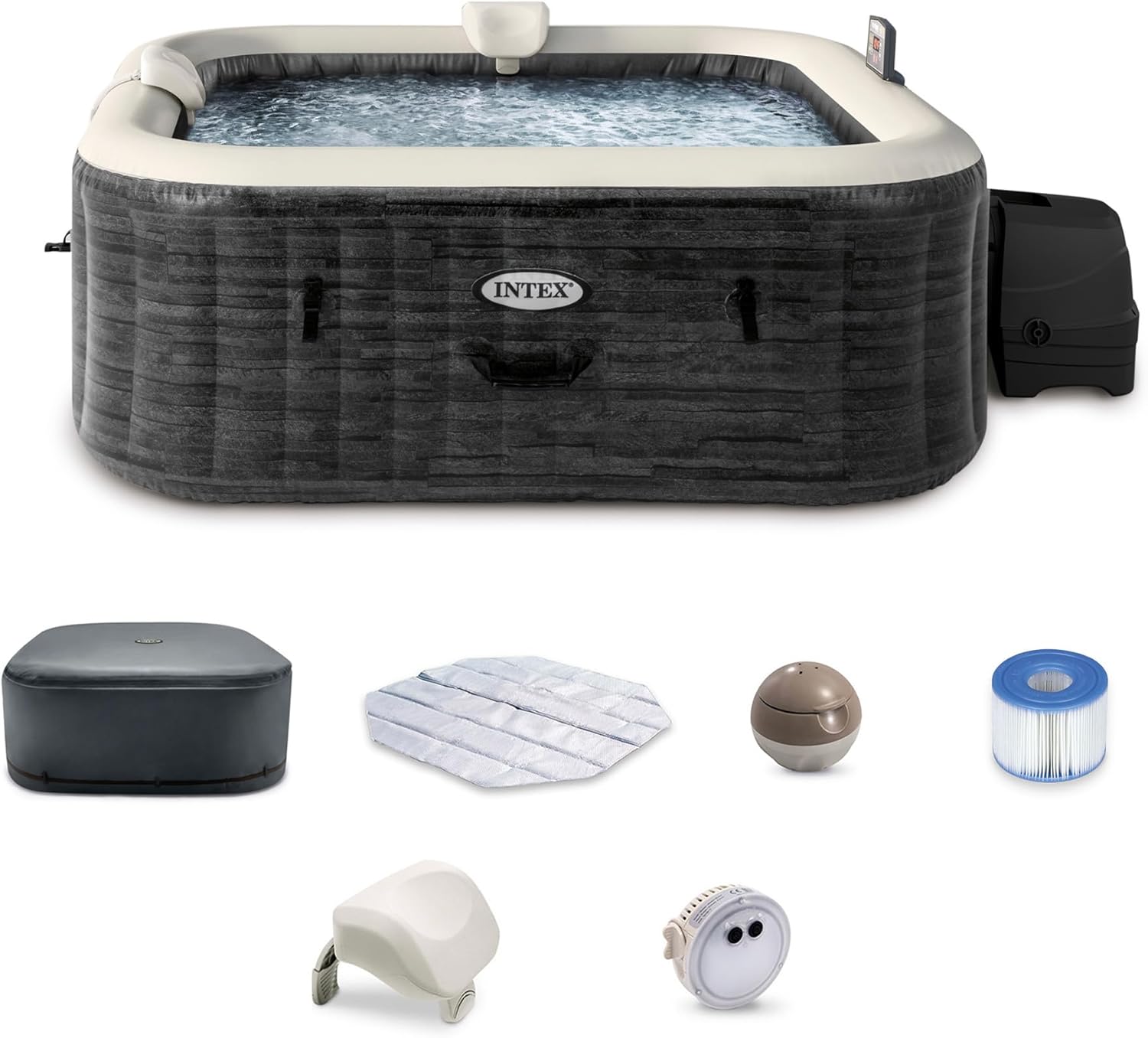
As a homeowner with an inflatable or portable hot tub, such as a Coleman SaluSpa or Intex PureSpa, you want to ensure that the water is safe and comfortable for use. One of the most important aspects of hot tub maintenance is balancing the water chemistry. If the chemistry is off, it can lead to skin irritation, eye burning, and even damage to your hot tub equipment. In this guide, we will walk you through the process of balancing your hot tub water chemistry, including pH, alkalinity, and sanitiser levels.
Whether you have a Bestway hot tub or any other brand, the principles of water chemistry remain the same. By following the steps outlined in this guide, you can create a safe and enjoyable hot tub experience for yourself and your family.
What You Need to Know
🛁 Recommended Products
Shop the best How to Balance Hot Tub Water Chemistry — hand-picked for comfort and quality.
Shop Hot Tub Essentials on Amazon →
As an Amazon Associate, we earn from qualifying purchases.
Before we dive into the step-by-step guide, it’s essential to understand the basics of hot tub water chemistry. The three primary components of water chemistry are pH, alkalinity, and sanitiser levels. pH measures how acidic or basic the water is, with a range of 0-14. The ideal pH range for hot tubs is between 7.2 and 7.8. Alkalinity measures the water’s ability to resist changes in pH, with a recommended range of 80-120 ppm (parts per million). Sanitiser levels, typically chlorine or bromine, are used to kill bacteria and other microorganisms.
It’s also important to note that regular testing and maintenance are crucial to maintaining a balanced water chemistry. You should test your hot tub water at least twice a week, and more often if you use it frequently.
Step-by-Step Guide
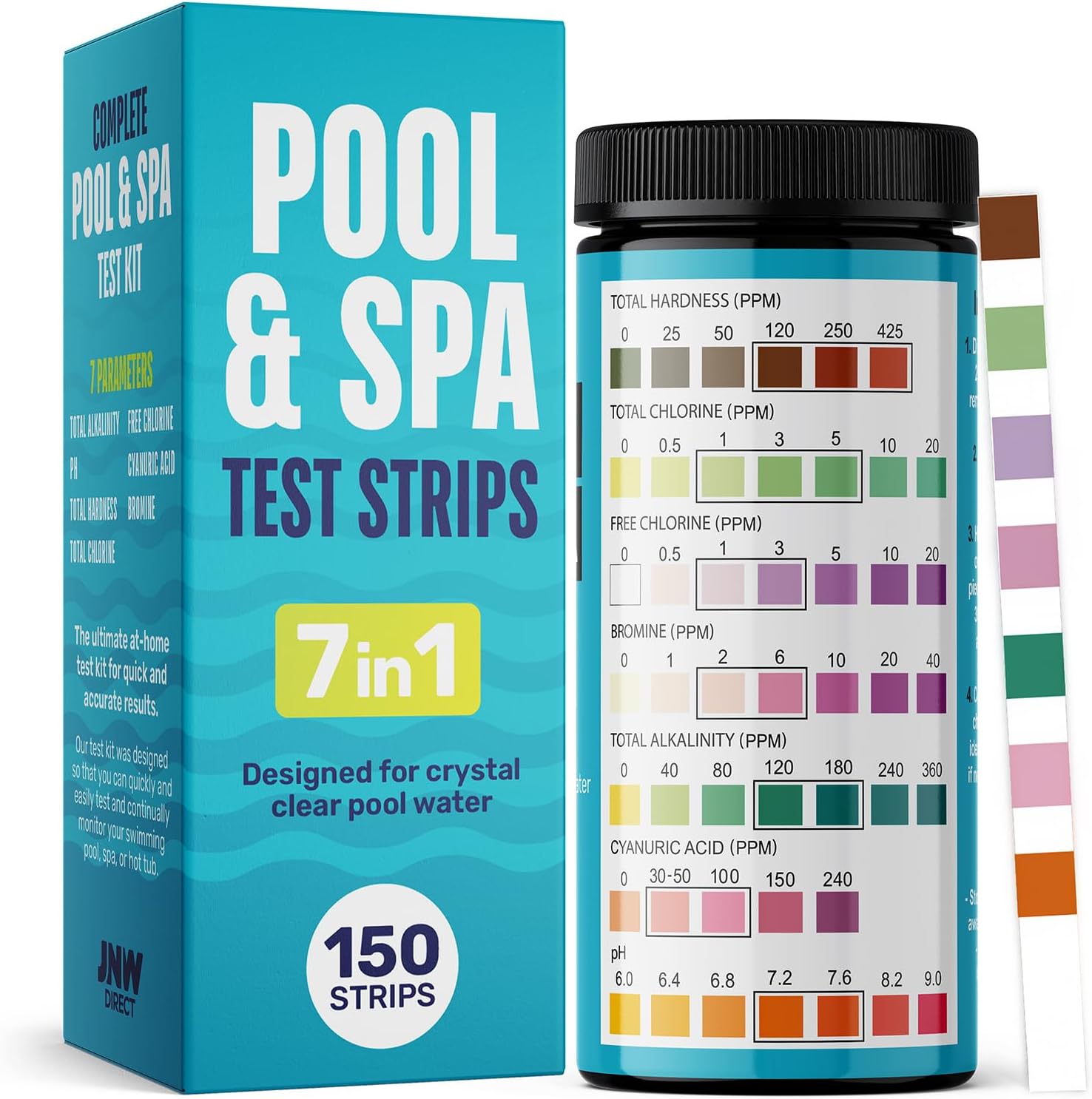
- Test the water: Start by testing the pH, alkalinity, and sanitiser levels of your hot tub water using a test kit or test strips. You can purchase a test kit from a pool or hot tub supply store, such as SpaGuard or Clorox Spa, for around $20-$50.
- Adjust the pH: If the pH level is too high or too low, adjust it accordingly. To raise the pH, add a pH increaser, such as SpaGuard’s pH Plus, which costs around $15-$30. To lower the pH, add a pH decreaser, such as Clorox Spa’s pH Minus, which costs around $10-$25.
- Adjust the alkalinity: If the alkalinity level is too low, add an alkalinity increaser, such as SpaGuard’s Alkalinity Plus, which costs around $20-$40. To lower the alkalinity, add an acid, such as muriatic acid, which costs around $10-$20.
- Shock the hot tub: Regularly shocking the hot tub helps to remove built-up contaminants and bacteria. You can use a shock treatment, such as Clorox Spa’s Shock Treatment, which costs around $15-$30.
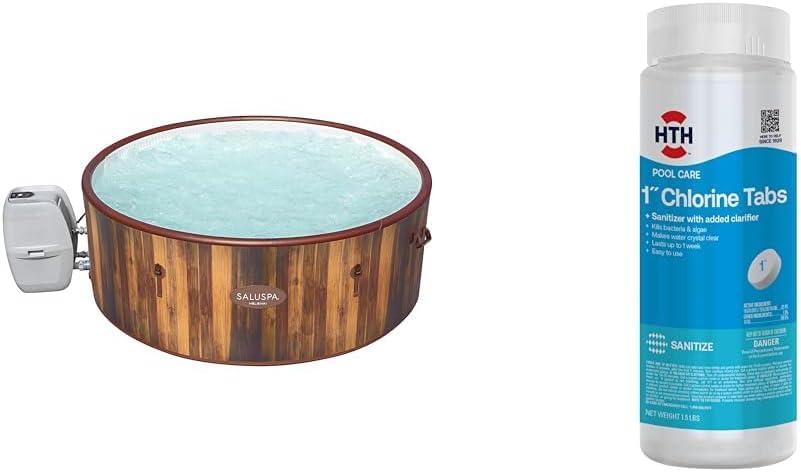
- Sanitise the water: Add a sanitiser, such as chlorine or bromine, to the hot tub water. The recommended level of chlorine is between 1-3 ppm, and the recommended level of bromine is between 3-5 ppm. You can purchase chlorine or bromine tablets from a pool or hot tub supply store for around $20-$50.
- Monitor and maintain: Regularly test and maintain the hot tub water chemistry to ensure it remains balanced and safe for use.
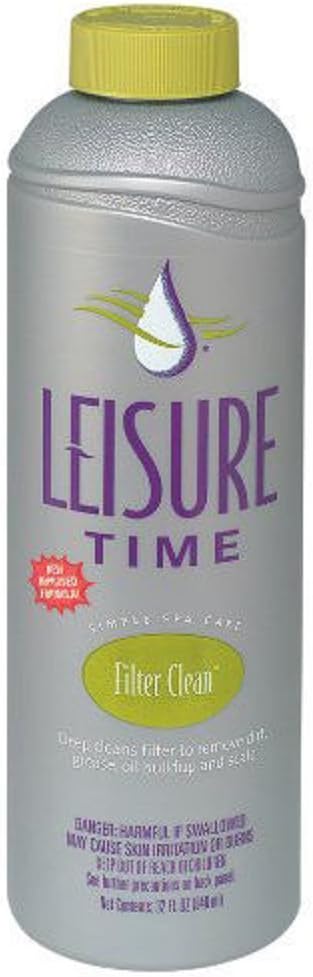
- Clean the filter: Regularly clean the hot tub filter to ensure it is working efficiently and effectively. You can purchase a filter cleaner, such as SpaGuard’s Filter Cleaner, for around $10-$20.
Key Products and Chemicals
When it comes to maintaining your hot tub water chemistry, there are several key products and chemicals you will need. Here are some specific recommendations and prices:
- SpaGuard pH Plus: $15-$30
- Clorox Spa pH Minus: $10-$25
- SpaGuard Alkalinity Plus: $20-$40
- Muriatic acid: $10-$20
- Clorox Spa Shock Treatment: $15-$30
- Chlorine or bromine tablets: $20-$50
- SpaGuard Filter Cleaner: $10-$20
It’s also a good idea to keep a supply of test kits and strips on hand, such as SpaGuard’s Test Kit, which costs around $20-$50.
Common Mistakes
Here are some common mistakes to avoid when balancing your hot tub water chemistry:
- Not testing the water regularly: This can lead to imbalanced water chemistry, which can cause skin irritation, eye burning, and damage to your hot tub equipment.
- Not adjusting the pH and alkalinity levels: If the pH and alkalinity levels are not adjusted accordingly, it can lead to an imbalanced water chemistry.
- Using too much chlorine or bromine: Over-chlorination or over-bromination can lead to skin irritation, eye burning, and damage to your hot tub equipment.
- Not shocking the hot tub regularly: Regular shocking helps to remove built-up contaminants and bacteria.
- Not cleaning the filter regularly: A dirty filter can lead to inefficient and ineffective filtration, which can cause imbalanced water chemistry.
- Not maintaining the hot tub equipment: Regular maintenance is crucial to ensure the hot tub equipment is working efficiently and effectively.
By avoiding these common mistakes, you can ensure a safe and enjoyable hot tub experience for yourself and your family.
Safety Tips
Here are some safety tips to keep in mind when balancing your hot tub water chemistry:
- Always wear protective gloves and eyewear when handling chemicals.
- Make sure the hot tub area is well-ventilated.
- Avoid mixing chemicals, as this can create toxic fumes.
- Keep children and pets away from the hot tub area when chemicals are being used.
- Follow the manufacturer’s instructions for any chemicals or products used.
FAQ
What is the ideal pH range for hot tubs?
The ideal pH range for hot tubs is between 7.2 and 7.8.
How often should I test my hot tub water?
You should test your hot tub water at least twice a week, and more often if you use it frequently.
What are the recommended levels of chlorine and bromine for hot tubs?
The recommended level of chlorine is between 1-3 ppm, and the recommended level of bromine is between 3-5 ppm.
Final Thoughts
Balancing your hot tub water chemistry is crucial to ensuring a safe and enjoyable experience for yourself and your family. By following the steps outlined in this guide, you can create a balanced and healthy hot tub environment. Remember to regularly test and maintain the water chemistry, and avoid common mistakes such as not testing the water regularly or using too much chlorine or bromine. With the right products and chemicals, and a little bit of knowledge, you can enjoy a relaxing and rejuvenating hot tub experience all year round.
🛁 Recommended Products
Shop the best How to Balance Hot Tub Water Chemistry — hand-picked for comfort and quality.
Shop Hot Tub Essentials on Amazon →
As an Amazon Associate, we earn from qualifying purchases.
Related Guides & Reviews
- Inflatable Hot Tub Safety Water Chemistry Risks
- How Often To Shock A Hot Tub Frequency Water Balance
- Inflatable Hot Tub Maintenance Water Care Filter Cleaning
- Best Hot Tub Water Testers Accuracy Parameter Range
- How To Lower Alkalinity In Hot Tub