How Long Do Shower Heads Last?
Most shower heads last between 6 and 10 years under normal residential use. High-quality brass or stainless steel models can last 15–20 years with proper maintenance. Cheap plastic units may begin failing within 3–5 years, particularly in hard-water areas.
The 6–10 year range is the most cited figure among plumbing contractors and manufacturers, but it masks an enormous variation that depends almost entirely on three variables: the material the shower head is made from, the hardness of your local water supply, and how consistently you maintain it. A $30 plastic shower head in Phoenix (some of the hardest water in the US) might clog and degrade in three years. A quality brass fixture in Portland (very soft water) could outlast the bathroom renovation around it.
It’s worth noting that a shower head’s “life” has two distinct meanings. The first is functional life — when it stops delivering adequate water pressure or develops leaks that can’t be fixed. The second is performance life — when mineral buildup and nozzle clogging have degraded the spray quality enough that the shower experience is noticeably worse than it was when new. Functional death is obvious; performance degradation is gradual and often goes unnoticed until a new shower head provides a dramatic comparison.
Shower Head Lifespan by Material and Type
The material of a shower head is the strongest predictor of how long it will last — more than brand, price tier, or even maintenance habits. Here’s how the major categories compare:
| Material / Type | Expected Lifespan | Hard Water Resistance | Typical Price | Best For |
|---|---|---|---|---|
| Solid brass | 15–25 years | Excellent | $80–$400+ | Long-term install, renovation investment |
| Stainless steel | 12–20 years | Very good | $60–$250 | Modern aesthetic, corrosion resistance |
| Chrome-plated zinc | 8–12 years | Moderate | $40–$150 | Mid-range — most common type sold |
| ABS plastic (quality) | 5–10 years | Fair | $20–$80 | Budget upgrade, rental properties |
| Cheap plastic (import) | 3–6 years | Poor | $10–$30 | Temporary or low-use applications |
| Handheld (with hose) | 5–8 years | Moderate | $25–$200 | The hose typically fails before the head |
| Rain / ceiling-mount | 10–15 years | Good (if brass internals) | $80–$500+ | Larger face = more nozzles = more maintenance |
| High-pressure filtered | 5–8 years | Excellent (filter protects internals) | $40–$150 | Hard-water areas — filter replacement extends life |
🔍 The Chrome Finish Trap
Most mid-range shower heads are marketed as “chrome” — which refers to the finish, not the underlying material. A chrome-finished brass shower head lasts 15+ years. A chrome-finished plastic shower head lasts 5–8. When evaluating longevity, look past the finish to the base material listed in the product specifications. “Chrome-plated ABS” and “chrome-plated brass” look identical on the shelf and in photos, but represent a 10-year lifespan difference in practice.
The Biggest Factor: Your Water Quality
Of all the variables that determine how long a shower head lasts, water quality — specifically water hardness — has the most dramatic effect. Hard water contains dissolved minerals, primarily calcium and magnesium carbonate, that deposit on every surface they touch as water evaporates. Shower heads are particularly affected because water sits in the nozzles between uses and evaporates, leaving mineral scale behind with every cycle.
In high-hardness areas (Las Vegas, Phoenix, Houston, San Antonio, and much of the American Southwest), an unmaintained shower head can become visibly clogged within 6–12 months. The spray pattern degrades as individual nozzles clog; overall flow drops; back-pressure builds inside the head. This mineral accumulation is the primary reason shower heads in hard-water homes need replacement years earlier than the same product in soft-water areas. If you’ve noticed hard water stains in your shower, your shower head is accumulating the same deposits internally.
Low water pressure that develops over time in a shower head is almost always mineral buildup reducing flow through the nozzles — not a change in your home’s water supply. Before replacing a shower head for pressure reasons, diagnose whether it’s a water pressure problem or simply a maintenance problem that descaling can fix.
💡 Check Your Water Hardness
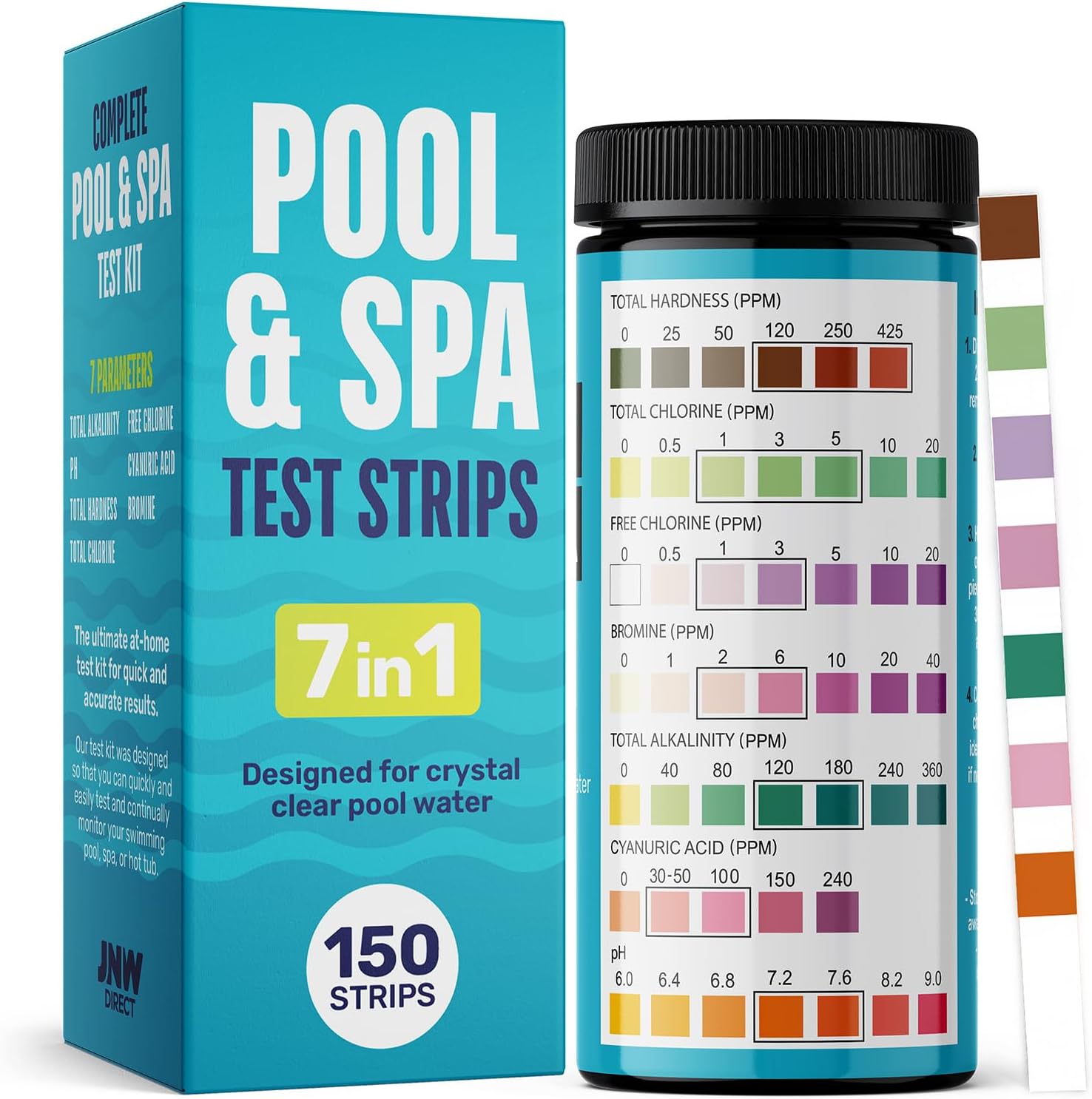
Your local water utility publishes annual water quality reports that include hardness data. You can also buy a $10 water hardness test strip kit online. If your water is above 180 mg/L (very hard), budget for monthly shower head descaling and consider a filtered shower head that reduces mineral content at the nozzle. Hard water doesn’t shorten the structural lifespan of a quality metal shower head — it shortens the performance lifespan by clogging nozzles faster.
6 Factors That Shorten a Shower Head’s Life
💧 Hard Water Mineral Scale
The leading cause of premature performance failure. Calcium carbonate deposits clog nozzles progressively, reducing spray quality and increasing internal pressure. Without regular descaling, a shower head in very hard water loses noticeably degraded performance within 1–2 years regardless of quality.
🔧 Over-Tightening During Installation
Shower heads are designed to be hand-tight plus a quarter turn. Using a wrench to crank them fully tight cracks the internal threading of plastic bodies or distorts metal seats, creating slow leaks that worsen over time. A leaking shower head that starts after installation is usually over-tightening damage.
🧪 Harsh Cleaning Chemicals
Bleach-based cleaners and strong acid descalers degrade chrome finishes, pit brass, and weaken rubber O-rings and nozzle seals. Over time, the finish corrodes and the internal rubber components harden and crack, causing leaks. Use diluted white vinegar or dedicated shower head cleaners instead of commercial bathroom cleaners.
🌡️ Extreme Temperature Swings
Shower heads in vacation homes or infrequently used bathrooms that experience seasonal temperature extremes (particularly freezing) are prone to cracking. Water trapped in the body expands on freezing, cracking the housing or internal components. Drain infrequently-used shower heads before periods of potential freezing.
💥 Physical Impact
Handheld shower heads dropped repeatedly on hard surfaces crack their bodies even when made from quality materials. Fixed shower heads bumped by cleaning equipment, ladders, or renovation work develop hairline cracks that slowly worsen. Physical damage to a shower head is immediate rather than gradual — inspect after any impact.
🚿 High Water Pressure
Residential water pressure above 80 psi accelerates wear on every component — O-rings, washers, internal valves, and the connection threads. Chronically high pressure eventually causes slow leaks at the connection point and stresses the internal structure. A pressure-reducing valve at the main is the right solution for whole-home pressure issues. See our guide on shower water pressure for context on what normal pressure looks like.
7 Clear Signs It’s Time to Replace Your Shower Head
Most shower heads don’t fail dramatically — they degrade gradually until the shower experience is noticeably worse than it should be. These are the specific signs that replacement (rather than maintenance) is the right call:
-
Uneven, Weak, or Wildly Scattered Spray Pattern Some nozzles spray sideways, others don’t spray at all, and the overall coverage is patchy. This is mineral clogging in individual nozzles. Try descaling first — if the pattern doesn’t restore to near-new quality after a thorough vinegar soak, the nozzles are either permanently deformed or too degraded to recover.
-
Persistent Low Pressure Despite Descaling If you’ve descaled the shower head and the pressure remains weak, the restriction is inside the body of the head rather than in the nozzles — or the nozzles have collapsed inward from years of pressure stress. Before concluding the head is failed, check whether the problem is actually low home water pressure or a flow restrictor issue.
-
Dripping After the Water Is Off A few drips immediately after shutting off the water is normal — water draining from the arm. Sustained dripping 30+ seconds after shutoff, or dripping that restarts an hour later, indicates a failed internal check valve or worn washer. This is sometimes repairable (see Repair vs Replace below) but often signals end of useful life on an older unit.
-
Rust, Corrosion, or Discoloration Surface rust on the exterior is cosmetic but indicates the chrome finish has failed and the base metal is oxidizing. More seriously, rust-colored water from the shower head suggests internal corrosion — the kind that releases iron particles into the water you’re bathing in. Replace immediately if you see brown or rust-colored water. Learn to remove rust stains from your shower floor that these deposits leave behind.
-
Squealing, Hammering, or Unusual Noises New noises from a shower head typically indicate a damaged internal diverter or washer vibrating under water pressure. Squealing is often a degraded rubber washer; hammering or banging can be water hammer from a failing check valve. These are repairable if the head is otherwise in good condition.
-
Heavy Mineral Buildup That Descaling Can’t Shift If extended vinegar soaking (overnight) and scrubbing doesn’t meaningfully restore the spray pattern, the mineral deposits have likely hardened inside internal passages that can’t be reached with any external treatment. The head itself is also probably physically embedded in scale that’s compromising its structural integrity.
-
It’s Over 10 Years Old Even a shower head that appears functional at 10+ years has almost certainly accumulated internal scale, degraded rubber components, and has a measurably lower flow rate than a new unit. Old shower heads can also harbor Mycobacterium and other biofilm bacteria in their internal passages — a health reason to replace aging units even if they seem to be working. The EPA recommends replacement every 8 years as a general guideline.
Repair vs Replace: How to Decide
| Problem | Repair Possible? | Cost | Verdict |
|---|---|---|---|
| Clogged nozzles, weak spray | Yes — descaling | $0 (vinegar) or $5–$15 | Always try repair first |
| Dripping — worn washer/O-ring | Yes — if parts available | $5–$20 in parts | Repair if head is under 7 years old |
| Squealing or noise | Sometimes | $5–$25 in washers | Repair if head is good quality, under 8 years |
| Cracked body or housing | No — structural damage | — | Replace immediately |
| Rust or internal corrosion | No | — | Replace — health concern |
| Finish worn, corroded chrome | Cosmetically only | — | Replace if bothered by appearance |
| Low pressure from old unit | Sometimes (clean filter) | $0–$10 | Clean flow restrictor; replace if no improvement |
⚠️ The 50% Rule for Shower Head Repair
A useful plumber’s rule of thumb: if the cost of replacement parts plus your time to repair is more than 50% of the cost of a new equivalent shower head, replace rather than repair. Parts for many mid-range shower heads are not sold separately by manufacturers, making repair impossible without fabricating custom solutions. Always check parts availability before committing to repair.
Maintenance That Doubles Your Shower Head’s Life
The difference between a shower head that lasts 6 years and one that lasts 12 is almost entirely maintenance — specifically, how consistently mineral scale is removed before it hardens inside the nozzles and internal passages. The good news: proper shower head maintenance takes about 15 minutes, costs essentially nothing (white vinegar), and only needs to happen monthly in hard water areas or every 2–3 months in soft water areas.
📅 Monthly (Hard Water) / Quarterly (Soft)
Quick nozzle wipe: run your fingers across all nozzles while water is flowing to break up any developing mineral deposits. For rubber/silicone nozzles, this is all that’s needed monthly. The tactile flex of rubber nozzles is specifically designed to allow this manual clearing between deep cleans.
📅 Every 3–6 Months: Vinegar Soak
Fill a plastic bag with undiluted white vinegar and secure it around the shower head with a rubber band so the face is fully submerged. Leave for 2–8 hours (overnight for heavy scale). Remove, run water at full pressure for 30 seconds to flush, and wipe the nozzles clean. This is the single highest-impact maintenance action for shower head longevity.
📅 Annually: Full Disassembly Clean
Remove the shower head completely from the arm. Disassemble the face plate if the design allows. Soak all components in vinegar for several hours. Use a toothpick or small brush to clear any remaining scale from individual nozzles. Inspect the connection washer and replace if cracked or compressed. Check and clean the flow restrictor. Reinstall with fresh plumber’s tape.
🧼 What NOT to Use
Avoid bleach, commercial bathroom spray cleaners (especially those with HCl), and any abrasive scrubbers on the shower head face. These accelerate finish degradation and attack the rubber nozzle material. White vinegar is genuinely the best descaler for shower heads — effective on calcium carbonate, safe for all materials, and costs almost nothing. For stubborn scale, citric acid solution works better than vinegar without any additional material risk.
How to Descale a Shower Head: Step-by-Step
- Prepare the solution: Fill a zip-lock bag or container with undiluted white vinegar (5% acidity). For severe scale, dissolve 2 tablespoons of citric acid powder in 2 cups of warm water instead.
- Submerge the shower head face: If still attached to the arm, use a large zip-lock bag filled with vinegar and secure it around the arm with a rubber band so the entire face is covered. If removed, place the head in a bowl of vinegar face-down.
- Soak for 2–8 hours: Light scale — 2 hours. Moderate scale — 4–6 hours. Heavy buildup — overnight (8–12 hours). Do not use vinegar on brass or gold-plated finishes for more than 30 minutes — the acidity can dull these finishes over extended exposure.
- Remove and scrub nozzles: Use an old toothbrush on the face of the shower head, paying attention to individual nozzle openings. A toothpick works well for clearing individual clogged nozzles.
- Flush thoroughly: Run water at full pressure for 60 seconds to flush all loosened scale through the system before your next shower. This prevents you from showering with dislodged mineral particles.
- Reassess: If the spray pattern hasn’t significantly improved after a thorough overnight soak, the scale is inside the internal passages (not just on the nozzle face) or the nozzles themselves are deformed. At this point, replacement is more effective than further cleaning.
If you’re struggling with hard water scale throughout the bathroom — not just the shower head — our guide on removing hard water stains from the shower covers the full approach, and our best shower squeegees for hard water covers the daily prevention routine that stops scale from building up in the first place.
When Replacement Is Actually an Upgrade Opportunity
A failing shower head is one of the easiest and most impactful bathroom upgrades available. The installation is a 10-minute DIY job requiring no special tools (see our guide on installing a rainfall shower head for the process), and the difference between a 10-year-old clogged shower head and a modern quality fixture is dramatic — both in pressure feel and spray quality.
If your shower isn’t getting hot enough or you’re dealing with chronically low pressure, replace the shower head first before assuming the problem is upstream in the plumbing — a new shower head with a cleaned or removed flow restrictor often solves both issues immediately. And if you want to explore the full range of how to increase shower water pressure, replacing the head is always the first recommended step.
Best Replacement Shower Heads: Where to Start
🏆 Best Overall: Rainfall System
A ceiling-mounted or extended-arm rainfall shower head transforms the shower experience completely. Our best rainfall shower system guide covers the top performers — brass internals, wide coverage, and consistent pressure across all nozzles. Expected lifespan with maintenance: 12–15 years.
🏆 Best Dual System
A dual shower head combo — fixed rain head plus handheld — covers every showering scenario and is the most practical upgrade for shared bathrooms. See our best dual shower head combos for tested recommendations across budget tiers. The handheld hose usually wears before the heads.
🏆 Best for Low Pressure
If your home has genuinely low incoming water pressure, a pressure-compensating shower head redesigns flow to maximize the feel of available pressure. Our best electric shower for low water pressure and pressure diagnosis guide help you find the right solution for your specific situation.
For a full comparison of the top brands — including how Delta vs Moen perform head-to-head, and how Hansgrohe, Grohe, and Kohler compare in real-world testing — our complete shower head buyer’s guide covers every major category with tested picks.
Frequently Asked Questions
The EPA recommends replacing your shower head every 8 years as a general guideline. In practice, a quality metal shower head with regular maintenance can last 15+ years; a budget plastic unit in hard water may need replacement in 3–5 years. Replace based on performance (degraded spray, leaks, corrosion) rather than on a fixed schedule.
Most residential shower heads last 6–10 years under normal conditions. High-quality solid brass models can last 15–25 years with proper maintenance. Budget plastic shower heads typically last 3–6 years, especially in hard-water areas where mineral buildup accelerates performance degradation.
Gradual pressure loss in a shower head is almost always mineral scale clogging the nozzles — not a change in your home’s water supply. Try descaling with a vinegar soak first. If pressure doesn’t improve after descaling, the restriction is inside the internal passages. Check whether the flow restrictor is blocked or if the issue is actual low water pressure from the supply side.
Yes — solid brass shower heads from quality manufacturers (Hansgrohe, Grohe, Kohler, Moen) can last 20+ years with regular descaling. The structural components — the brass body, the connection threads — are essentially indefinitely durable. What degrades is the rubber nozzle material and internal O-rings, which can be replaced. In soft-water areas with consistent maintenance, a quality brass shower head is effectively a permanent fixture.
Yes — significantly. The shower head is the final flow point in your water delivery system, and its nozzle design, flow restrictor, and internal condition all affect the perceived pressure at the spray. A clogged or worn shower head can feel like half the pressure of the same water supply through a new head. Many “low pressure” problems are actually shower head problems, solvable with a new unit or a thorough descaling.
For most homeowners, yes. A quality shower head in the $80–$200 range (brass internals, multiple spray settings, quality nozzles) will outlast 3–4 cheap plastic units across the same time period, and provide a noticeably better daily shower experience throughout. The cost-per-year of a $150 shower head used for 15 years ($10/year) is lower than the cost-per-year of three $40 plastic heads replaced every 5 years ($8/year) — and the daily experience is meaningfully better.
The Bottom Line on Shower Head Lifespan
Most shower heads last 6–10 years — but the range runs from 3 years (cheap plastic in hard water, no maintenance) to 20+ years (quality brass, consistent descaling, soft water). The biggest lever you have over lifespan is maintenance: a quarterly vinegar soak costs nothing and can add years to any shower head’s performance life. The second biggest lever is material selection: buying a brass or stainless steel shower head rather than a plastic one is a decision that pays for itself in longevity within the first replacement cycle.
If your shower head is showing any of the seven replacement signs above — or is simply over 10 years old — the upgrade is one of the easiest and most impactful improvements you can make to your daily shower experience.
Browse Our Best Shower Heads →