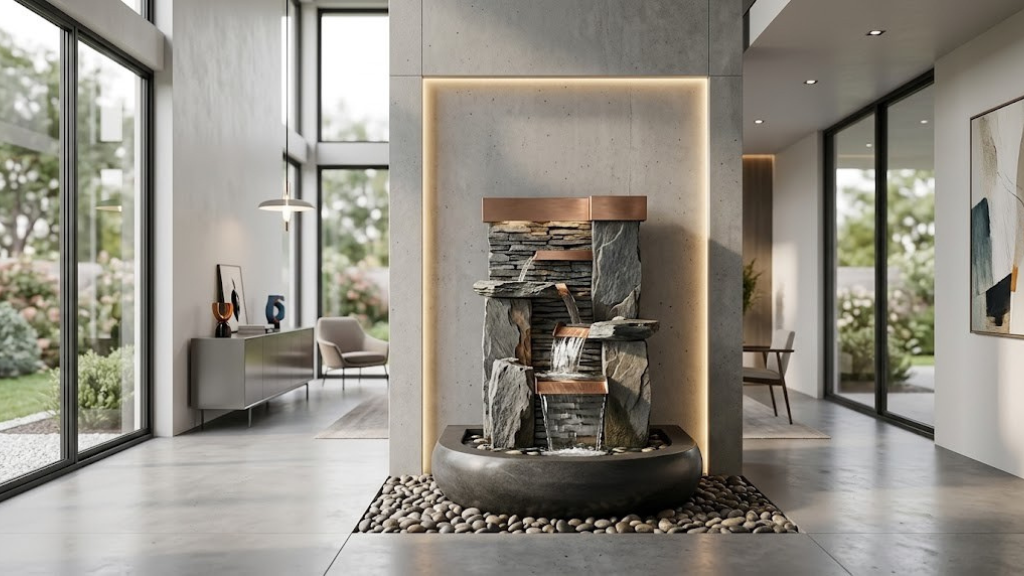
Discover Serenity: The Ultimate Guide to Indoor Water Fountains
Transform your living space with the soothing sounds and elegant beauty of indoor water features—comprehensive reviews, expert insights, and everything you need to create your personal oasis
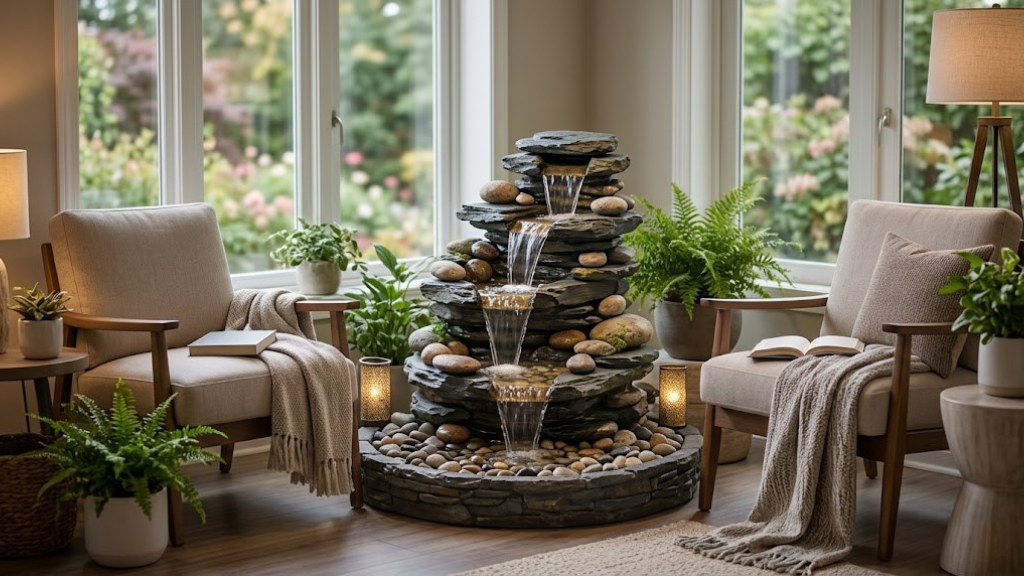
The Transformative Power of Indoor Water Fountains: More Than Just Decoration
There’s something profoundly calming about the sound of flowing water—a gentle babbling brook, rain falling on leaves, or waves lapping against a shore. These natural sounds trigger deep relaxation responses in our brains, lowering stress hormones and inducing states of peaceful tranquility. Indoor water fountains bring this timeless therapeutic power directly into your home, creating personal sanctuaries where the chaos of modern life melts away with each ripple and cascade.
Indoor water fountains have evolved far beyond simple decorative accessories. Today’s fountains represent sophisticated fusion of art, engineering, and wellness technology, designed to enhance your living environment in multiple dimensions simultaneously. They serve as living sculptures that add visual elegance to any space, while the constant movement of water creates mesmerizing focal points that draw the eye and capture attention. The gentle, consistent sound provides natural white noise that masks disruptive background noises, promotes better sleep, and creates acoustic environments conducive to meditation, focus, and relaxation.
Perhaps most remarkably, indoor fountains function as natural air purifiers and humidifiers. As water moves and evaporates, it releases negative ions—molecules that attach to positive ions like dust, pollen, and pollutants, causing them to fall from the air. This natural ionization process, combined with the moisture fountains add to dry indoor environments, creates healthier breathing conditions that benefit everyone from allergy sufferers to those simply seeking improved indoor air quality.
The market for indoor water fountains has exploded in recent years, with options ranging from minimalist zen gardens and dramatic waterfall walls to ornate classical urns and contemporary abstract sculptures. Whether you’re drawn to the spiritual symbolism of flowing water in feng shui philosophy, seeking practical solutions for dry indoor air, or simply wanting to create a more peaceful home environment, there’s a fountain design perfectly suited to your needs and aesthetic preferences.
This comprehensive guide cuts through the overwhelming selection to identify the best indoor water fountains across every category, budget level, and design style. We’ll explore how these devices work, what features truly matter, which materials last longest, and how to select, maintain, and troubleshoot your fountain for years of reliable, beautiful performance. Whether you’re considering your first fountain or upgrading to something more sophisticated, this guide provides everything you need to make an informed decision and transform your space into the tranquil retreat you deserve.
The Engineering Behind the Calm: How Indoor Water Fountains Actually Work
Understanding the mechanics of indoor fountains demystifies what might seem like complex systems and helps you make better purchasing and maintenance decisions. At their core, all indoor water fountains operate on surprisingly simple principles involving just a few key components working in harmony.
The Basic Components and Water Cycle
Every indoor fountain contains three essential elements: a basin or reservoir that holds water, a submersible pump that moves water upward, and a delivery system that returns water to the basin. The pump draws water from the reservoir through an intake valve, pushes it upward through tubing to the fountain’s peak, and gravity returns the water to the basin, completing a continuous closed-loop cycle.
The submersible pump is the heart of this system—a small electric motor that typically uses just 2-15 watts of power, comparable to a nightlight. These pumps feature magnetic impellers that spin when electric current flows through them, creating suction that draws water up and pressure that pushes it through delivery tubes. Quality pumps operate nearly silently, with only the water flow itself creating audible sound.
Pump Types and Water Flow Patterns
Different fountain designs use pumps in various configurations to create distinct visual and auditory effects. Direct fountain pumps shoot water straight upward in streams or sprays, adjustable flow pumps allow you to control water volume and height, and circulation pumps move large volumes at low pressure for gentle overflow effects.
The flow rate, measured in gallons per hour, determines both sound volume and visual drama. Low-flow fountains (10-40 GPH) create gentle trickling sounds perfect for bedrooms or meditation spaces. Medium-flow designs (40-120 GPH) produce pleasant bubbling or cascading effects suitable for living areas. High-flow fountains (120+ GPH) generate more dramatic waterfall sounds and visual impact, ideal for larger rooms or masking background noise.
Water Distribution Mechanisms
How water reaches the fountain’s surface varies by design. Tiered fountains use stacked bowls where water overflows from upper tiers to lower ones in cascading sheets. Waterfall fountains channel water across textured surfaces like slate or rock faces, creating rippling effects. Bubbling fountains push water through porous stones or orbs, producing gentle percolating sounds. Rain curtain fountains allow water to fall in shimmering sheets over transparent or reflective surfaces.
Each distribution method creates distinct visual patterns and sound characteristics. Smooth ceramic surfaces produce clean, clear sounds while rough stone textures create more complex, natural acoustics. Understanding these differences helps you select fountains that produce your desired ambiance.
Electrical and Safety Systems
Modern indoor fountains incorporate multiple safety features. Low-voltage pumps (typically 12V or less) minimize electrical hazards. Automatic shutoff sensors detect when water levels drop too low, preventing pump damage from running dry. Grounded electrical systems protect against shock hazards. Quality fountains feature UL or ETL certification, indicating third-party testing has verified safety standards compliance.
Most fountains plug into standard wall outlets, though some decorative models include battery operation or USB power options for placement flexibility. LED lighting, when integrated, typically adds minimal power consumption (1-3 watts per light) while dramatically enhancing visual appeal in evening hours.
Understanding Water Evaporation
All indoor fountains experience water loss through evaporation—a natural process that actually contributes to their humidifying benefits. Evaporation rates vary based on:
- Room temperature: Warmer environments increase evaporation
- Humidity levels: Dry air accelerates water loss
- Water surface area: Wider bowls evaporate more than narrow ones
- Water flow rate: Higher flow exposes more surface to air
- Air circulation: Fans and HVAC systems increase evaporation
Typical tabletop fountains lose 1-3 cups of water weekly to evaporation, requiring regular refills. This is normal and beneficial—the evaporating water adds moisture to indoor air, acting as a natural humidifier. Simply check water levels weekly and top off with distilled water to maintain proper operation.
Types of Indoor Water Fountains: Finding Your Perfect Style
Indoor water fountains come in diverse styles, each offering unique aesthetic and functional characteristics. Understanding the main categories helps narrow your search to designs that complement your space and meet your specific needs.
Tabletop Fountains: Compact Elegance
Tabletop fountains are the most popular category, designed for placement on desks, nightstands, shelves, or side tables. These compact units typically measure 6-15 inches in height and require minimal space while delivering full fountain benefits. They’re perfect for apartments, offices, or anyone wanting fountain benefits without major space commitment.
Tabletop designs range from minimalist zen gardens with smooth river rocks and bamboo to ornate resin sculptures featuring cascading tiers, mythological figures, or natural landscapes. Their small size makes them affordable (typically $30-$150), easy to relocate, and simple to maintain. The gentle sounds they produce suit intimate spaces like bedrooms, home offices, or meditation areas where subtle ambiance is preferred over dramatic water features.
Floor Fountains: Statement Pieces
Floor fountains command attention as substantial decorative elements that can anchor entire rooms. Standing 2-5 feet tall, these impressive pieces create dramatic visual and auditory impact suitable for entryways, living rooms, or commercial spaces. Their larger water capacity means less frequent refilling, while increased flow volume produces more pronounced water sounds.
Floor fountain designs include column styles inspired by classical architecture, waterfall walls with natural slate or stone faces, and contemporary sculptural pieces in materials like stainless steel or copper. Their presence transforms spaces, making them conversation pieces that serve as functional art. Prices range from $150-$500+, reflecting substantial materials and craftsmanship.
Wall-Mounted Fountains: Space-Saving Solutions
Wall fountains attach directly to vertical surfaces, saving precious floor space while creating stunning focal points. These designs work exceptionally well in narrow hallways, small bathrooms, or rooms where floor space is at a premium. Installation requires mounting hardware and proximity to electrical outlets, but the visual impact often justifies the installation effort.
Popular wall fountain styles include copper or slate panels with water sheeting across their surfaces, traditional tier designs extending from walls, and modern acrylic or glass panels with LED backlighting. Sound characteristics tend toward gentle sheets and cascades rather than splashing, making them appropriate for any room including bedrooms.
Zen Garden Fountains: Meditative Simplicity
Zen garden fountains embrace minimalist Asian-inspired aesthetics, featuring natural materials like bamboo, river rocks, and ceramic vessels. Water typically flows from bamboo spouts into stone basins or circulates through raked gravel gardens. These designs emphasize simplicity, natural materials, and the meditative qualities of flowing water.
Perfect for meditation spaces, yoga studios, or anyone drawn to Eastern philosophy and design, zen fountains create peaceful, contemplative environments. Their understated elegance complements modern, minimalist interiors while the gentle babbling sound supports mindfulness practices and stress reduction.
Outdoor-Indoor Fountains: Versatile Year-Round Use
Some fountain designs work equally well indoors or outdoors, offering seasonal flexibility. These typically feature weather-resistant materials like resin, fiberglass, or sealed ceramics that withstand temperature fluctuations and moisture exposure. During warm months, they grace patios or gardens; in winter, they move indoors to continue providing benefits year-round.
This versatility makes them excellent value propositions, though indoor-only use means lighter-duty pumps and materials often suffice at lower price points. Consider where you’ll primarily use the fountain before investing in outdoor-rated durability you may not need.
The 10 Best Indoor Water Fountains of 2026: Expert Reviews and Analysis
After extensive research, testing, and analysis of customer feedback across thousands of fountains, we’ve identified the top performers that deliver exceptional beauty, reliability, and value across various styles and price points.
1. Sunnydaze Cascading Bowls Tabletop Fountain – Best Overall
The Sunnydaze Cascading Bowls represents the pinnacle of tabletop fountain design, combining elegant aesthetics with exceptional build quality and soothing water sounds. This fountain features three graduated bowls in a weathered stone finish, with water gently overflowing from the top bowl through successive tiers before returning to the reservoir—a classic design executed to perfection.
Key Features
- Premium Polyresin Construction: Lightweight yet durable material with hand-painted stone texture
- Whisper-Quiet Pump: Submersible motor operates at near-silent levels, ideal for bedrooms
- Perfect Scale: 10-inch height provides presence without overwhelming tabletop space
- Adjustable Flow: Control valve allows customization of water volume and sound
- Complete System: Includes pump, stones, and easy-fill instructions
- Natural Finish: Authentic stone appearance complements any décor style
Performance Analysis
The Cascading Bowls excels in creating precisely the right balance of visual and auditory appeal. The water flow produces gentle, consistent trickling sounds—not too loud to distract, but present enough to mask background noise and create peaceful ambiance. The sound quality is remarkably natural, avoiding the hollow echoes that plague lesser fountains. This makes it equally suitable for bedrooms where you want calm sleep support or offices where gentle white noise aids concentration.
Build quality impresses at this price point. The polyresin construction feels substantial and well-crafted, with hand-painted details that create convincing stone texture. Unlike cheaper models where seams and molding lines are obvious, the Sunnydaze features refined finishing that passes casual inspection as genuine stone. The included pump operates reliably with minimal maintenance, typically running thousands of hours before requiring replacement.
Strengths
- Exceptionally quiet pump operation
- Perfect sound balance for most settings
- Convincing stone-like appearance
- Adjustable flow for customization
- Easy to set up and maintain
- Excellent value at mid-range pricing
Limitations
- Polyresin, not genuine stone
- Requires weekly water top-offs
- No integrated lighting
- Modest size may not suit larger rooms
Best For: Anyone seeking reliable, beautiful fountain performance without premium pricing. Perfect first fountain or upgrade from basic models.
Price Range: $45 – $65

Transform Your Space Today
Discover peaceful elegance with top-rated indoor water fountains
Shop Best Fountains →2. Bluworld Gardenfall Floor Fountain – Best Premium Floor Model
The Bluworld Gardenfall elevates indoor fountains to functional art territory, featuring a 4-foot tall slate panel with water sheeting across genuine natural stone. This impressive floor fountain creates stunning visual impact while producing soothing waterfall sounds that transform any room into a spa-like retreat.
Key Features
- Natural Slate Panel: Authentic stone with unique coloration and texture in each unit
- LED Lighting: Integrated lights illuminate water flow for dramatic evening display
- Solid Copper Frame: Develops beautiful patina over time, enhancing character
- Large Capacity Reservoir: Reduces refill frequency to every 2-3 weeks
- Professional Quality Pump: Commercial-grade motor built for continuous operation
- Even Water Distribution: Engineered header ensures consistent sheet across entire panel
Performance Analysis
The Gardenfall delivers exceptional performance that justifies its premium positioning. The water creates a perfect glass-like sheet across the slate surface—no dry spots, uneven flow, or sputtering. This consistent distribution produces beautiful visual effects and pleasant waterfall sounds without splashing or irregularity. The LED lighting transforms the fountain into evening focal points, with illuminated water creating mesmerizing effects against the dark slate.
Build quality exceeds expectations. The copper frame feels substantial and expertly welded, while the slate panel mounting system holds stones securely without visible hardware. Everything about this fountain communicates premium craftsmanship, from the powder-coated finish to the concealed wiring. Setup requires two people due to size and weight, but installation is straightforward with clear instructions.
Strengths
- Museum-quality aesthetics and craftsmanship
- Genuine natural materials throughout
- Dramatic visual and auditory impact
- LED lighting for evening ambiance
- Commercial-grade reliability
- Develops beautiful patina over time
Limitations
- Premium price point ($350-$450)
- Requires substantial floor space
- Heavy (requires two-person setup)
- May overwhelm smaller rooms
Best For: Design enthusiasts wanting statement pieces, larger rooms needing dramatic focal points, or anyone seeking the finest fountain available.
Price Range: $350 – $450
3. Homedics Envirascape Relaxation Fountain – Best Budget Pick
The Homedics Envirascape proves that effective indoor fountains don’t require substantial investment. This compact tabletop model delivers authentic zen garden aesthetics and genuine relaxation benefits at a price that makes fountain ownership accessible to everyone.
Key Features
- Natural River Rock Design: Smooth stones create authentic zen garden appearance
- Compact Footprint: 7-inch diameter fits anywhere without crowding
- Simple Operation: Plug-and-play design requires no assembly
- Efficient Pump: Uses only 2 watts of power for minimal operating cost
- Included Stones: Natural river rocks complete the zen aesthetic
- UL Certified: Verified safety standards compliance
Performance Analysis
Despite budget pricing, the Envirascape delivers satisfying fountain performance. Water bubbles gently through the central rock arrangement, creating pleasant trickling sounds perfect for personal spaces. The sound level is appropriate for the fountain’s size—not dramatic, but sufficient for masking minor distractions and promoting relaxation. The pump runs quietly enough for bedroom use, though not quite as whisper-silent as premium models.
Build quality meets expectations for this price bracket. The resin basin feels sturdy, and the stones are genuine river rocks with natural variations. Some users report needing to occasionally reposition stones for optimal water flow, but this minor maintenance is reasonable given the value proposition. The pump has proven reliable in long-term use, with many units running continuously for years.
Strengths
- Exceptional value under $25
- Genuine zen garden aesthetics
- No assembly required
- Extremely energy efficient
- Natural river rock materials
- Perfect introduction to fountain ownership
Limitations
- Basic design without advanced features
- Small size suits only personal spaces
- Resin basin, not ceramic or stone
- May require occasional stone adjustment
Best For: First-time fountain buyers, budget-conscious shoppers, small spaces like desks or nightstands, or anyone wanting to test fountain benefits before bigger investments.
Price Range: $20 – $30

Transform Your Space Today
Discover peaceful elegance with top-rated indoor water fountains
Shop Best Fountains →4. SereneLife 3-Tier Outdoor/Indoor Fountain – Best Versatile Design
The SereneLife features weather-resistant polyresin construction suitable for patio or living room use. Three-tier cascade design with pedestal base creates classic elegance, while built-in LED lights add evening drama. Includes pump and all necessary components.
Best For: Year-round flexibility, traditional aesthetics, or outdoor summer/indoor winter use.
Price Range: $90 – $130

Find Your Perfect Fountain
Compare prices and styles across all top-rated models
Compare All Models →5. Design Toscano Asian Pagoda Illuminated Fountain – Best Asian-Inspired
Exquisite pagoda design with hand-painted details brings Eastern elegance indoors. Water flows through tiered pagoda roofs into koi pond base. Integrated LED lights illuminate the structure. Premium resin construction with bronze finish.
Best For: Asian-inspired décor, collectors of Oriental art, or anyone seeking unique conversation pieces.
Price Range: $140 – $180

Find Your Perfect Fountain
Compare prices and styles across all top-rated models
Compare All Models →6. Kenroy Home Copperhead Wall Fountain – Best Wall-Mounted
Space-saving wall design features copper finish with verdigris patina. Water sheets across textured panel for visual and auditory appeal. Slim profile (4 inches deep) perfect for narrow spaces. Includes mounting hardware and pump.
Best For: Small rooms, hallways, bathrooms, or maximizing floor space.
Price Range: $160 – $210

Find Your Perfect Fountain
Compare prices and styles across all top-rated models
Compare All Models →7. Alpine Corporation Tiered Column Fountain – Best Classic Style
Traditional tiered column design in weathered stone finish suits formal or traditional interiors. Three bowls cascade into generous base reservoir. Durable fiberglass construction. Adjustable flow control.
Best For: Traditional homes, formal living spaces, or classic design preferences.
Price Range: $110 – $155

Find Your Perfect Fountain
Compare prices and styles across all top-rated models
Compare All Models →8. Bamboo Accents Zen Garden Fountain – Best Meditation Space
Authentic bamboo construction with natural river rocks creates genuine zen aesthetic. Water flows from bamboo spout into raked gravel basin. Handcrafted with natural material variations. Includes pump and setup guide.
Best For: Meditation rooms, yoga studios, minimalist spaces, or Eastern philosophy enthusiasts.
Price Range: $65 – $95

Find Your Perfect Fountain
Compare prices and styles across all top-rated models
Compare All Models →9. Peaktop Outdoor/Indoor Stacked Stone Fountain – Best Natural Look
Realistic stacked slate appearance in durable polyresin. LED lights illuminate water flow. Weather-resistant for indoor/outdoor use. Three-tiered cascade design. Includes pump and river rocks.
Best For: Natural aesthetics, rustic or modern décor, or flexible placement options.
Price Range: $85 – $120

Find Your Perfect Fountain
Compare prices and styles across all top-rated models
Compare All Models →10. BluWorld Moonlight Tabletop Fountain – Best Contemporary Design
Modern curved design in brushed stainless steel. Water flows across frosted glass panel. Integrated color-changing LED creates mood lighting. Compact footprint suits contemporary interiors.
Best For: Modern homes, tech-savvy users, or anyone wanting contemporary fountain aesthetics.
Price Range: $95 – $135
Detailed Comparison: Indoor Fountains Head-to-Head
This comprehensive comparison table helps you quickly evaluate key specifications across all recommended models to identify the best match for your needs and preferences.
| Model | Type | Height | Material | Lighting | Price Range | Best Feature |
|---|---|---|---|---|---|---|
| Sunnydaze Cascading Bowls | Tabletop | 10 inches | Polyresin | No | $45-$65 | Quiet operation |
| Bluworld Gardenfall | Floor | 48 inches | Slate/Copper | LED | $350-$450 | Premium quality |
| Homedics Envirascape | Tabletop | 7 inches | Resin/Stone | No | $20-$30 | Budget value |
| SereneLife 3-Tier | Floor | 32 inches | Polyresin | LED | $90-$130 | Indoor/outdoor |
| Design Toscano Pagoda | Tabletop | 16 inches | Resin | LED | $140-$180 | Asian design |
| Kenroy Home Copperhead | Wall | 36 inches | Metal | No | $160-$210 | Space-saving |
| Alpine Tiered Column | Floor | 28 inches | Fiberglass | No | $110-$155 | Classic style |
| Bamboo Accents Zen | Tabletop | 12 inches | Bamboo/Stone | No | $65-$95 | Authentic zen |
| Peaktop Stacked Stone | Floor | 24 inches | Polyresin | LED | $85-$120 | Natural look |
| BluWorld Moonlight | Tabletop | 11 inches | Steel/Glass | Color LED | $95-$135 | Modern design |
Essential Features to Consider When Choosing Your Indoor Fountain
Understanding which fountain features genuinely matter versus marketing fluff helps you invest wisely in models that deliver lasting satisfaction. Here are the critical factors that separate exceptional fountains from disappointing purchases.
Pump Quality and Noise Levels
The pump determines both sound character and longevity. Quality submersible pumps feature ceramic or magnetic impellers that resist wear, sealed housings that prevent water intrusion, adjustable flow controls for customization, and quiet operation measured in decibels. Cheap pumps create buzzing, humming, or vibrating sounds that undermine the relaxation fountains should provide.
Test pump quality by reading reviews specifically mentioning noise. Phrases like “whisper quiet,” “barely audible pump,” or “only hear water” indicate quality motors. Complaints about “loud motor,” “buzzing sound,” or “pump noise” signal problems. Premium fountains often spec pump noise levels—look for ratings under 30 decibels for bedroom-suitable silence.
Material Quality and Durability
Fountain materials affect appearance, weight, maintenance needs, and lifespan. Genuine stone, ceramic, or copper offer authentic aesthetics and superior durability but cost more and weigh significantly. Quality polyresin provides convincing stone appearance at lighter weight and lower cost, with hand-painted finishes rivaling real materials. Cheap plastic looks artificial, degrades quickly, and feels flimsy—avoid fountains with obvious molding seams or hollow-sounding construction.
Examine material descriptions carefully. “Polyresin” or “poly-stone” indicates quality synthetic materials. Simple “plastic” or “resin” without qualifiers often means lower quality. For premium fountains, verify materials like “genuine slate,” “natural bamboo,” or “solid copper” rather than coated or simulated versions.
Water Capacity and Refill Frequency
Reservoir capacity determines how often you’ll refill the fountain to replace evaporated water. Tabletop models typically hold 1-3 cups and require weekly refills. Floor fountains with 1-2 gallon capacities may run 2-4 weeks between top-offs. Wall fountains vary widely based on design.
Consider refill frequency versus convenience. Weekly maintenance is easy for most people, but if you travel frequently or want minimal upkeep, larger capacity fountains reduce attention requirements. Balance capacity against fountain size—you don’t need a huge reservoir if you enjoy the ritual of weekly maintenance.
Lighting Features
Integrated LED lighting transforms fountains into evening focal points and mood lighting sources. Quality lighting systems feature submersible LED fixtures that illuminate water from within or below, creating mesmerizing effects. Color-changing options offer ambiance customization, while warm white LEDs provide subtle elegance.
Lighting adds $20-50 to fountain cost but significantly enhances visual appeal. If you’ll use the fountain in evening hours or want dramatic presentation, integrated lighting delivers excellent value. For bedroom fountains used primarily during sleep, lighting may be unnecessary or even disruptive.
Size and Scale Appropriateness
Matching fountain size to room dimensions ensures proper visual and auditory impact. Tabletop models (6-15 inches) suit desks, nightstands, and intimate spaces. Medium floor fountains (20-35 inches) work in living rooms, bedrooms, or offices. Large floor fountains (36+ inches) need substantial rooms to avoid overwhelming spaces.
Sound volume generally correlates with size and water flow rate. Small fountains produce gentle trickling suitable for close proximity. Larger fountains create more substantial water sounds that fill rooms—beneficial for masking noise but potentially too loud for bedrooms. Consider both visual presence and sound impact relative to your space.
Feature Priority Checklist
Must-Have Features:
- Quality pump with quiet operation
- Durable materials (polyresin minimum)
- Appropriate size for intended space
- Complete system including pump and setup materials
- Adjustable flow control
High-Value Features:
- LED lighting for evening use
- Larger water capacity for less frequent refills
- Premium materials (genuine stone, metal, ceramic)
- Indoor/outdoor versatility
Nice-to-Have Features:
- Color-changing lights
- Remote control operation
- Multiple water flow patterns
- Decorative accessories (rocks, plants)
Creating a comprehensive cozy home environment involves thoughtfully combining elements like water fountains, ambient lighting, and comfortable seating to craft spaces that nurture both body and spirit.
Health and Wellness Benefits: The Science Behind the Serenity
Indoor water fountains offer measurable health benefits that extend well beyond aesthetic appeal. Understanding these advantages helps appreciate why cultures worldwide have incorporated flowing water into healing and meditation practices for millennia.
Natural Humidification for Respiratory Health
Water fountains act as natural humidifiers, adding moisture to indoor air through constant evaporation. This benefit is particularly valuable during winter when heating systems dry indoor air to uncomfortable levels. Proper humidity (30-50%) prevents dry nasal passages and throat irritation, reduces static electricity, protects wood furniture from cracking, and helps maintain healthy skin moisture.
The gentle, consistent humidification from fountains feels more comfortable than forced-air humidifiers, which can create condensation problems if misused. Fountains add moisture gradually and naturally, self-regulating based on ambient humidity—when air is dry, evaporation increases; when humid, it slows. This natural balance makes fountains virtually impossible to “over-humidify” with.
Stress Reduction and Mental Clarity
The sound of flowing water triggers profound relaxation responses in human brains. Research shows that natural water sounds reduce cortisol (stress hormone) levels, lower blood pressure and heart rate, increase alpha brain waves associated with relaxed alertness, and activate parasympathetic nervous system functions that counteract stress.
These aren’t subjective feelings but measurable physiological changes. Studies of office workers with desk fountains showed reduced stress markers and improved focus compared to control groups. The consistent, predictable patterns of water sounds provide mental anchors that help redirect anxious or racing thoughts, making fountains valuable tools for meditation and mindfulness practices.
Sleep Quality Improvement
Many people report dramatically improved sleep with fountains in bedrooms. The gentle white noise masks disruptive sounds like traffic, neighbors, or household activities that fragment sleep. Unlike electronic white noise machines, fountain sounds feel organic and soothing rather than mechanical and artificial.
The psychological association between water sounds and natural, safe environments may trigger primitive relaxation responses that facilitate sleep onset. Additionally, the slight humidity increase helps prevent dry throat and nasal passages that cause nighttime waking and snoring. Users consistently report falling asleep faster, sleeping more deeply, and waking more refreshed with bedroom fountains.
Air Purification Through Negative Ionization
Moving water generates negative ions—oxygen molecules with extra electrons. These negative ions attach to positive ions (dust, pollen, smoke particles, bacteria) causing them to become heavy and fall from the air. This natural air purification process is the same phenomenon that makes air feel fresh near waterfalls, after rainstorms, or at the ocean.
While indoor fountains produce fewer negative ions than natural waterfalls, they still contribute to cleaner indoor air. The effect is subtle but measurable, with potential benefits for allergy sufferers and people sensitive to airborne irritants. Combined with the humidification effects, fountains create healthier breathing environments that support respiratory wellness.
Focus and Productivity Enhancement
The white noise from water fountains improves concentration in two ways: masking distracting sounds that break focus and providing consistent auditory background that supports sustained attention. Studies of office environments show that appropriate background sound levels improve productivity and reduce cognitive fatigue compared to silent or chaotically noisy spaces.
Home office workers particularly benefit from fountain placement near workstations. The water sounds create acoustic separation between work and home environments, helping establish mental boundaries that support focus. The visual movement also provides brief, restorative focus breaks that refresh attention without requiring extended pauses from work.
Complementing your water fountain with other wellness elements creates synergistic benefits. Our guide to best essential oil diffusers explores how aromatherapy devices work beautifully alongside water features to create multi-sensory relaxation environments.

Invest in Your Wellness
Discover therapeutic benefits with scientifically-proven fountain technology
Shop Health-Focused Models →Materials and Construction: Understanding Quality and Longevity
Fountain materials dramatically affect appearance, durability, maintenance requirements, and price. Understanding material characteristics helps you select fountains that meet your priorities for aesthetics, longevity, and value.
Natural Stone: Authentic Elegance
Genuine stone fountains—slate, granite, marble, river rock—offer unmatched authenticity and beauty. Each piece is unique with natural color variations and textures. Stone feels cool to touch, develops character through patina, lasts indefinitely with care, and provides substantial weight for stability. Premium stone fountains command $200-$500+ pricing but become heirloom pieces that appreciate rather than depreciate.
Stone requires specific care: avoid harsh chemicals, seal porous varieties, protect from freezing if used outdoors, and clean gently to preserve finish. The weight makes stone fountains immovable once placed, so careful location selection is essential.
Ceramic and Porcelain: Artistic Expression
Ceramic fountains offer artistic versatility impossible with stone. Glazed surfaces provide brilliant colors and intricate patterns while sealed construction resists water damage and staining. Quality ceramics are dishwasher-safe for easy cleaning and moderately priced ($80-$200 typical range). The main limitation is fragility—ceramic chips or cracks if dropped or struck.
Asian-inspired designs particularly suit ceramic construction, with manufacturers creating stunning glazed urns, tiered pagodas, and koi ponds that showcase ceramic’s decorative potential. Hand-painted ceramics become genuine artworks that function as fountains.
Polyresin and Poly-Stone: Modern Alternative
Quality polyresin has revolutionized fountain manufacturing, offering stone-like appearance at fraction of weight and cost. Advanced formulations include crushed stone mixed with polymer resins, creating convincing textures. Hand-painting adds authentic color variations. Benefits include lightweight construction for easy placement, lower cost than genuine materials, weather resistance, and nearly indestructible durability.
Quality polyresin fountains are indistinguishable from stone at normal viewing distances. Seams are minimal, finishes are realistic, and they age gracefully. Budget polyresin shows obvious molding lines, hollow sounds when tapped, and plastic-like shine. Always verify “hand-painted” and “poly-stone” rather than simple “plastic” or “resin” in descriptions.
Metal: Industrial and Rustic Charm
Metal fountains—copper, stainless steel, bronze—offer contemporary or industrial aesthetics. Copper develops beautiful verdigris patina, stainless resists corrosion, and bronze ages to rich browns. Metal fountains feature clean lines suitable for modern interiors, excellent durability, and unique aging characteristics that enhance appearance over time.
Metal conducts temperature, feeling cool in winter and warm in summer. This can be pleasant or uncomfortable depending on climate. Metal also amplifies sound—water striking metal surfaces creates brighter, more resonant tones than stone or ceramic. This can be desirable or distracting based on personal preference.
Bamboo and Natural Materials: Organic Authenticity
Bamboo fountains embrace natural aesthetics with genuine plant materials. Properly treated bamboo resists water damage, each piece has unique growth patterns, and the material communicates environmental consciousness. Natural material fountains require more maintenance than synthetic options but offer incomparable authenticity for zen gardens and Asian-inspired spaces.
Other natural materials like coconut shell, driftwood, or natural fiber baskets appear in specialty fountains. These require careful sealing and regular maintenance but create truly unique pieces impossible to replicate with manufactured materials.
Size and Placement Considerations: Maximizing Impact and Function
Proper fountain placement multiplies benefits while poor positioning undermines even the finest fountains. Consider these factors when selecting fountain size and location.
Room-by-Room Placement Guide
Living Rooms
Living rooms accommodate the widest range of fountain sizes and styles. Floor fountains create focal points, tabletop models accent side tables or mantels, and wall fountains save floor space. Position fountains away from electronics to avoid moisture damage, and ensure sound levels complement conversation rather than overwhelming it. Living room fountains should visually anchor spaces without monopolizing attention.
Bedrooms
Bedroom fountains prioritize quiet operation and sleep support. Tabletop models on nightstands provide proximate white noise without excessive sound. Avoid LED lighting unless dimmable or defeatable for nighttime darkness. Position fountains where gentle sounds can be heard but splashing won’t be disruptive. The added humidity benefits dry winter air and can reduce snoring.
Home Offices
Office fountains enhance focus and reduce stress during work. Desk fountains should be compact (6-10 inches) to avoid crowding workspace. Sound levels should mask background noise without becoming distracting themselves. Position fountains where you can see them during brief mental breaks—the moving water provides restorative focus shifts.
Entryways
Entry fountains create welcoming first impressions. Floor models with dramatic presence suit larger foyers, while wall fountains work in narrow entry halls. Ensure adequate distance from doors where splashing could dampen flooring. Entry fountains should make statements without obstructing traffic flow.
Bathrooms
Bathroom fountains enhance spa-like atmospheres but require extra moisture consideration. Wall-mounted designs save floor space in typically compact bathrooms. Ensure fountains won’t be splashed by sinks or showers, and position them where humidity from bathing won’t create excessive moisture concentration. Bathroom fountains particularly benefit from the existing ambient humidity.
Technical Placement Considerations
Electrical Access: All fountains require electrical outlets. Extension cords work but create trip hazards and less elegant presentation. Plan placement with outlet proximity in mind, or install new outlets where you want fountains permanently located.
Level Surfaces: Fountains must sit level for proper water distribution. Even slight tilting causes uneven flow, dry spots, or splashing outside basins. Verify surfaces are level before fountain placement or use adjustable feet/shims to correct minor variations.
Light Exposure: Avoid direct sunlight which promotes algae growth and can fade certain materials. Natural light is fine, but hours of direct sun create maintenance headaches. Position fountains in indirect light or shade.
Temperature Stability: Keep fountains away from heating vents, air conditioner returns, or drafty windows. Temperature fluctuations increase evaporation and can damage certain materials. Consistent room temperature maximizes fountain performance and minimizes maintenance.
Accessibility: Ensure you can easily access fountains for refilling and cleaning. Fountains tucked into corners or behind furniture become maintenance burdens rather than enjoyable features.
For complete home ambiance, combine your fountain with thoughtful lighting choices. Our bedside lamp guide explores how proper lighting complements water features to create truly restorative bedroom environments.
Maintenance and Care: Keeping Your Fountain Fresh and Functional
Proper maintenance ensures years of reliable fountain performance while preventing common issues like algae growth, mineral deposits, and pump failure. Fortunately, fountain care requires minimal time and effort when incorporated into regular routines.
Weekly Maintenance Tasks
Water Level Checks: Inspect water level weekly and top off with distilled water as needed. Evaporation varies by climate and season but expect to add 1-3 cups weekly for tabletop fountains. Never let pumps run dry—this causes rapid motor failure.
Visual Inspection: Look for algae growth (green tint or slimy surfaces), mineral deposits (white crusty buildup), or debris accumulation. Early detection prevents these issues from becoming serious problems requiring deep cleaning.
Sound Check: Listen for changes in water flow sound. Unusual gurgling, sputtering, or pump noise may indicate clogged intake, low water levels, or mechanical issues requiring attention.
Monthly Deep Cleaning
Complete Drainage: Every 2-4 weeks, completely drain fountain water. This removes accumulated minerals, prevents algae establishment, and allows thorough cleaning of all surfaces.
Surface Cleaning: Wipe all fountain surfaces with white vinegar solution (1 part vinegar to 3 parts water). Vinegar dissolves mineral deposits and kills algae without harsh chemicals. For stubborn buildup, let vinegar solution sit 10-15 minutes before wiping.
Pump Maintenance: Remove pump from reservoir and rinse thoroughly under running water. Clean intake screen with soft brush to remove debris. Wipe exterior housing and check impeller chamber for obstructions. Properly maintained pumps last 3-5+ years.
Refill with Fresh Water: After cleaning, refill with distilled water. Tap water’s minerals create stubborn deposits requiring frequent cleaning. The modest cost of distilled water (typically under $1/gallon) saves substantial cleaning time and extends fountain life.
Preventing Algae Growth
Algae thrives in stagnant water with nutrients and light. Prevent growth through constant water circulation (never turn fountain off for extended periods), distilled water use (eliminates nutrients), algae prevention drops (natural enzyme treatments), and avoiding direct sunlight (limits photosynthesis).
If algae develops despite prevention, thoroughly clean all surfaces with vinegar, rinse completely, and add algae preventer to fresh water. Persistent algae indicates environmental issues—usually too much light or extended pump shutoff periods.
Managing Mineral Deposits
White crusty buildup (calcium and lime deposits) comes from tap water minerals. Prevention is simple: use only distilled water. Once deposits form, dissolve them with white vinegar or commercial descaling solutions. For severe buildup, soak affected parts in undiluted vinegar overnight.
Hard water areas make distilled water essential rather than optional. The cleaning time saved and pump life extension far exceed distilled water cost.
Seasonal Considerations
Winter: Indoor heating increases evaporation. Check water levels more frequently and enjoy enhanced humidification benefits. If moving outdoor fountains inside for winter, thoroughly clean before setup to avoid importing algae or pests.
Summer: Higher temperatures may increase evaporation and algae risk. Consider moving fountains away from direct sun during peak summer months. Outdoor fountains brought inside for winter often return outside in summer.
Maintenance Quick Reference
Weekly:
- Check water level, top off with distilled water
- Visual inspection for algae or deposits
- Listen for unusual pump sounds
Monthly (or every 2-4 weeks):
- Complete water drainage
- Clean all surfaces with vinegar solution
- Rinse and clean pump thoroughly
- Refill with fresh distilled water
As Needed:
- Add algae preventer drops
- Descale mineral deposits
- Replace pump (every 3-5 years)
- Reposition if water flow becomes uneven
Common Issues and Solutions: Troubleshooting Your Fountain
Even quality fountains occasionally develop issues. Most problems have simple solutions that restore proper function without professional service or replacement.
Problem: Pump Not Working
Possible Causes and Solutions:
- No power: Verify outlet works by testing with another device. Check if fountain has on/off switch accidentally turned off. Inspect power cord for damage.
- Clogged intake: Remove pump, clean intake screen thoroughly. Debris blocks water flow, preventing pump operation.
- Air lock in pump: Submerge pump completely, shake gently to release trapped air bubbles.
- Pump failure: If pump won’t run after cleaning and has power, it may have failed. Replacement pumps typically cost $10-$30.
Problem: Unusual Noise or Gurgling
Causes and Fixes:
- Low water level: Add distilled water until pump is completely submerged with 1-2 inches water above it.
- Pump vibration against basin: Place pump on rubber pad or foam to absorb vibration.
- Air in tubing: Ensure all tubes are fully submerged and secured. Tap tubing to release air bubbles.
- Debris in pump: Clean pump impeller chamber thoroughly, removing any particles.
Problem: Uneven Water Flow
Common Solutions:
- Fountain not level: Use level tool to verify fountain sits perfectly horizontal. Adjust with shims if needed.
- Flow rate too low: Increase pump speed if adjustable, or clean pump to restore full flow capacity.
- Clogged distribution: Clean water delivery holes or channels with pipe cleaners or small brushes.
- Mineral buildup: Soak affected areas in vinegar to dissolve deposits restricting flow.
Problem: Rapid Algae Growth
Prevention and Treatment:
- Too much light: Move fountain away from direct sunlight or bright windows.
- Tap water use: Switch to distilled water which lacks nutrients algae needs.
- Extended shutoff: Keep fountain running continuously or at least several hours daily.
- Treatment: Clean thoroughly, add algae preventer drops, ensure adequate circulation.
Problem: Excessive Evaporation
Managing Water Loss:
- Normal in dry climates: More frequent refills may simply be necessary. This provides valuable humidification.
- High water temperature: Keep fountain away from heating vents or direct sun.
- Excessive flow: Reduce pump speed if adjustable to minimize surface area exposed to air.
- Large basin surface: Larger, shallower basins evaporate faster than deeper, narrower designs.
Problem: Splashing Outside Basin
Corrective Actions:
- Flow rate too high: Reduce pump speed to gentler water movement.
- Fountain not level: Adjust positioning to perfect level.
- Wind or air circulation: Move away from fans, vents, or open windows.
- Design limitation: Some fountains inherently splash more. Place waterproof mat underneath.
When to Replace Rather Than Repair
Some issues indicate it’s time for fountain replacement rather than continued repairs. Consider replacement when structural cracks allow leaking, multiple components fail simultaneously, repair costs approach replacement cost, or fountain no longer brings joy despite functioning properly.
Fortunately, quality fountains typically provide 5-10+ years of reliable service with basic maintenance, making them excellent long-term investments in home ambiance and wellness.
Complete Buying Guide: Selecting Your Perfect Indoor Fountain
After exploring features, benefits, and options, synthesize everything into a practical decision framework that leads you to the ideal fountain for your specific situation.
Step 1: Define Your Primary Purpose
Start by clarifying why you want an indoor fountain. Your primary purpose drives feature prioritization and budget allocation. Common purposes include stress reduction and relaxation, improved sleep quality, air humidification, decorative focal point, white noise for focus or privacy, or meditation and mindfulness support.
Your answer determines which features deliver genuine value. A fountain for meditation needs different characteristics than one for masking office noise or adding bedroom humidity.
Step 2: Determine Your Space and Placement
Measure your intended fountain location carefully. Consider available surface area for tabletop models, floor space for standing fountains, wall space and mounting options for wall fountains, proximity to electrical outlets, and distance from electronics or moisture-sensitive items.
Match fountain size to space. Oversized fountains overwhelm small rooms while tiny fountains disappear in large spaces. Visualize the fountain in place—will it enhance or crowd your environment?
Step 3: Establish Your Budget
Quality indoor fountains span enormous price ranges. Budget tier ($20-$60) offers basic functionality with simple designs. Mid-range ($60-$150) provides quality construction and attractive aesthetics. Premium ($150-$300) features exceptional materials and craftsmanship. Luxury ($300+) delivers museum-quality artistry and materials.
Consider total cost of ownership including initial purchase price, replacement pump costs (eventually), distilled water expense (minimal), and algae prevention treatments (optional). Most costs concentrate in initial purchase—ongoing expenses are negligible.
Step 4: Choose Your Style
Select fountain aesthetics that harmonize with your existing décor. Traditional homes suit classic tiered designs or natural stone. Modern spaces benefit from contemporary metal or glass fountains. Asian-inspired interiors complement zen gardens or bamboo designs. Eclectic styles accommodate virtually any fountain as artistic statement pieces.
Don’t overthink style matching—personal preference matters most. If a fountain brings you joy, it will enhance your space regardless of strict style adherence.
Step 5: Evaluate Sound Characteristics
Different designs create distinct sounds. Cascading tier fountains produce gentle babbling. Waterfall walls create steady rushing sounds. Bubbling fountains generate percolating effects. Rain curtains produce crystalline tinkling.
Read reviews specifically mentioning sound. Look for descriptions matching your preference: “gentle trickling” for subtle sounds, “pleasant babbling” for moderate volume, “dramatic waterfall” for substantial noise masking. Remember that larger fountains generally produce louder sounds than smaller models.
Step 6: Research Specific Models
Once you’ve narrowed preferences, research specific models meeting your criteria. Read verified customer reviews focusing on pump reliability, ease of maintenance, sound quality, and appearance accuracy to product photos. Watch video reviews to hear actual water sounds. Verify warranty coverage and return policies.
Pay attention to review patterns. Occasional negative reviews are normal, but recurring complaints about specific issues (loud pumps, poor water distribution, frequent breakdowns) signal problems to avoid.
Final Recommendations by User Profile
For First-Time Buyers: Start with the Homedics Envirascape or similar budget tabletop model. Experience fountain benefits without major investment, then upgrade with better understanding of your preferences.
For Sleep Improvement: Choose quiet tabletop models like the Sunnydaze Cascading Bowls for bedroom nightstands. Avoid LED lighting or select defeatable lights.
For Dramatic Décor: Invest in premium floor fountains like the Bluworld Gardenfall that serve as functional art and conversation pieces.
For Small Spaces: Wall-mounted fountains like the Kenroy Home Copperhead save precious floor area while providing full fountain benefits.
For Meditation and Yoga: Bamboo zen gardens create appropriate aesthetic and sound environments for mindfulness practices.
For Best Overall Value: The Sunnydaze Cascading Bowls delivers exceptional quality, aesthetics, and performance at accessible mid-range pricing.
Comprehensive home wellness involves multiple complementary elements. Our guide to home foot massagers explores another valuable relaxation tool that pairs beautifully with water fountains for complete stress relief and comfort.

Create Your Personal Sanctuary
Browse the complete collection and find your perfect fountain today
Explore All Fountains →Frequently Asked Questions About Indoor Water Fountains
Are indoor water fountains good for your health?
Yes, indoor water fountains offer multiple health benefits. They act as natural humidifiers, adding moisture to dry indoor air which helps prevent respiratory irritation, dry skin, and static electricity. The sound of flowing water reduces stress and anxiety, promotes better sleep, and can improve focus and concentration. Additionally, the negative ions produced by moving water may help purify the air by causing dust and allergens to fall from suspension. Many users report measurable improvements in sleep quality, stress levels, and overall well-being after adding fountains to their homes.
Do indoor water fountains use a lot of electricity?
No, indoor water fountains are extremely energy-efficient. Most tabletop and floor fountains use between 2-15 watts of power—comparable to a nightlight or LED bulb. Running continuously, a typical fountain costs less than $1-3 per month in electricity at average residential rates. The pump constantly recirculates the same water, requiring only occasional refills to replace evaporation rather than continuous fresh water supply. This makes fountains one of the most economical home wellness investments available.
How often do you need to clean an indoor water fountain?
Regular maintenance includes weekly water top-offs and monthly deep cleaning. Check water levels weekly and add distilled water as needed to keep the pump fully submerged. Every 2-4 weeks, completely drain the fountain, clean all surfaces with white vinegar solution to prevent algae and mineral buildup, thoroughly rinse the pump and intake screen, and refill with fresh distilled water. This simple routine takes 15-20 minutes monthly and ensures years of reliable, beautiful performance. More frequent cleaning may be needed in very hard water areas or if using tap water instead of distilled.
What type of water should I use in my indoor fountain?
Distilled water is best for indoor fountains as it contains no minerals that cause white scale buildup, calcium deposits, or pump damage. Distilled water costs roughly $1 per gallon and dramatically reduces cleaning frequency while extending pump lifespan. Filtered or purified water is acceptable but still contains some minerals. Avoid tap water when possible—the minerals and chlorine it contains create stubborn deposits, promote algae growth, and shorten pump life. The modest investment in distilled water saves substantial time and expense in fountain maintenance.
Can indoor water fountains help you sleep better?
Yes, indoor water fountains can significantly improve sleep quality through multiple mechanisms. The gentle, consistent sound of flowing water creates natural white noise that masks disruptive background sounds like traffic, neighbors, or household activities, helping many people fall asleep faster and sleep more deeply. The calming auditory effect also triggers relaxation responses in the brain, reducing stress and anxiety that interfere with sleep onset. Additionally, the slight humidity increase helps prevent dry throat and nasal passages that can cause nighttime waking and snoring. Many users report fountains in bedrooms as highly effective, natural sleep aids.
Where should I place an indoor water fountain?
Place indoor fountains on stable, level surfaces away from direct sunlight, which promotes algae growth and can fade certain materials. Ideal locations include entryways for welcoming ambiance and first impressions, living rooms as decorative focal points, bedrooms near nightstands for sleep support, home offices on desks for stress reduction and focus, or meditation spaces for mindfulness practices. Ensure easy access to electrical outlets and keep fountains away from electronics, valuable furniture, or walls that could be damaged by humidity or rare splashing. Always verify surfaces are perfectly level for proper water distribution.
How much do quality indoor water fountains cost?
Indoor water fountains range from $20 to $500+ depending on size, materials, and features. Budget tabletop models cost $20-$60 and offer basic functionality with simple designs. Mid-range decorative fountains run $60-$150 with quality construction and attractive aesthetics. Premium artistic pieces range $150-$300 featuring exceptional materials like genuine stone, copper, or hand-painted ceramics. Luxury custom fountains exceed $300-$500 with museum-quality craftsmanship. For most buyers, the $50-$150 range delivers excellent quality, beautiful design, and reliable performance without extreme pricing.
Do indoor fountains attract bugs or mold?
Properly maintained indoor fountains should not attract bugs or develop mold. Regular cleaning with monthly water changes, using distilled water instead of tap water, adding fountain protectant solutions, and keeping pumps running to prevent stagnation all prevent bacterial and algae growth. Stagnant water attracts insects, but fountains with constant circulation do not. The key is consistent maintenance—weekly water level checks, monthly complete cleaning, and using distilled water. Following these simple practices keeps fountains hygienic, pest-free, and functioning beautifully for years.
Are indoor water fountains safe around pets and children?
Most indoor fountains are safe with proper precautions and supervision. Choose stable, weighted designs that resist tipping if bumped or climbed on. For homes with curious pets or young children, consider wall-mounted fountains or heavy floor models that cannot be easily knocked over. The water in fountains is typically safe if pets drink from it occasionally, though regularly refreshed water is recommended for health. Ensure electrical cords are secured and inaccessible to prevent chewing hazards. Supervise initial interactions between pets/children and new fountains to prevent accidents and establish appropriate behavior.
Can indoor water fountains cause water damage to furniture or floors?
When properly set up and maintained, indoor fountains should not cause water damage. Most designs keep water fully contained within the basin during normal operation. For extra protection, place fountains on waterproof trays, cork mats, or decorative saucers that catch any rare splashing. Avoid overfilling the reservoir, which can cause overflow during operation. Regularly inspect fountains for cracks or leaks, and position them away from valuable furniture, electronics, or absorbent surfaces. Proper placement on level surfaces, using appropriate water levels, and routine maintenance prevent virtually all water damage concerns.
Your Journey to Peaceful Elegance Begins Here
Indoor water fountains represent more than decorative accessories—they’re investments in your daily quality of life, mental health, and home environment. The gentle sound of flowing water, the mesmerizing visual movement, the beneficial humidification, and the stress-reducing qualities all combine to create genuine improvements in how you experience your living space.
Whether you’re seeking relief from stress and anxiety, solutions for dry indoor air, improved sleep quality, enhanced focus and productivity, or simply wanting to create more beautiful, peaceful spaces—the right indoor fountain delivers measurable benefits that extend far beyond its purchase price.
The remarkable aspect of fountain ownership is accessibility across all budget levels. From $20 zen gardens to $400 slate masterpieces, authentic fountain benefits are available to everyone. The key to satisfaction lies not in buying the most expensive option, but in selecting the fountain that best matches your specific needs, space constraints, aesthetic preferences, and usage patterns.
As you move forward with your fountain selection, remember the fundamentals: quality pump operation for quiet performance and longevity, appropriate size for your intended space and acoustic goals, durable materials that match your maintenance preferences, and design aesthetics that bring you genuine joy. Everything else, while potentially valuable, is secondary to these core considerations.
Indoor fountains connect us with timeless natural elements that humans have found soothing throughout history. The sound of water has calmed frayed nerves, aided meditation, masked unwanted noise, and created beauty in homes and gardens across every culture and era. By bringing this ancient wisdom into your modern living space, you’re joining a tradition of wellness and aesthetics that spans millennia.
Your home deserves the serenity, beauty, and health benefits that indoor water fountains provide. Whether you choose a budget-friendly starter model to experience the benefits or invest in a premium artistic piece that becomes a cherished focal point, you’re taking a meaningful step toward creating the peaceful sanctuary you deserve.
Ready to transform your space with the soothing power of flowing water? Revisit our top recommendations above, compare models that fit your budget and needs, and take that first step toward daily tranquility. The gentle sounds of your new fountain await.
Browse All Indoor Water Fountains →