

Best Mattresses with Edge Support: 8 Beds That Keep You Steady from Center to Side
Sitting on the side of the bed shouldn’t feel like sliding off a cliff. We compared eight popular mattresses on the one feature most shoppers forget to ask about — how solid the perimeter really is — and wrote up exactly who each one suits.
Editorial Guide
The Feature Nobody Mentions Until They’ve Already Slept on a Saggy Perimeter
Mattress marketing loves to talk about softness, cooling, and pressure relief. It almost never talks about what happens at the border of the bed — and that’s a shame, because the edge is where a surprising amount of your life actually happens.
Think about your last week. You probably sat on the edge of the bed to pull on socks. You probably perched there to answer a message while the shower warmed up. If you share the mattress, you’ve likely slept closer to the side than you’d like on a crowded night. If you’re a parent, you’ve almost certainly been sat on by a child who treats the bed like a trampoline. All of those moments run through the perimeter of the mattress, and all of them go wrong in the same way when that perimeter is soft: you slide, your hip drops, and you end up bracing yourself with a hand on the floor.
That sinking feeling has a technical cause. Most all-foam mattresses are built with the same soft comfort layers across the entire surface, and the foam at the border has nothing holding it in place. Coil mattresses can be better, but only if the manufacturer bothers to reinforce the outer rows of the coil unit or add a foam encasement. When they don’t, you get a mattress that feels wonderful in the middle and marshmallow-y at the rim.
Good edge support changes the usable surface of the bed. A mattress with a firm perimeter lets you sleep comfortably right up to the last few inches, which functionally makes a queen feel more like a queen instead of a full with a no-go zone around it. It also makes getting in and out easier, which matters more than people expect if you deal with stiff knees, a bad back, or a recovering body.
In this guide we put eight popular mattresses under the microscope on exactly that topic. There are hybrids with reinforced coil perimeters, memory foam models that lean on dense base layers, and a couple of wildcards that punch above their price class. We’ll explain what each one does well, where it softens up, and who should actually buy it. If you’re new to the vocabulary, start with our plain-English explainer on what mattress edge support actually is — it’ll make the rest of this article click instantly.
One quick note on how we write these guides: we don’t invent prices, star ratings, or review counts, because those change constantly and faking them helps nobody. What we do describe is construction, feel, firmness behavior, and the practical day-to-day experience of using the bed. Everything below is meant to help you match a mattress to your body and your habits rather than to a marketing label.
Short on Time? Start with the Best Sellers
Browse the current most popular mattresses and filter by construction type.
Check Price on Amazon1. Why Edge Support Matters More Than Most Buyers Realize
It’s tempting to treat edge support as a luxury spec — the mattress equivalent of heated seats. In reality it affects three things you interact with every single day: the usable size of your bed, how easy it is to get up, and how long the mattress keeps its shape.
It expands the sleepable surface
On a soft-edged mattress, the outer third of the bed feels dramatically different from the middle. Couples learn this fast. Whoever ends up near the rim spends the night compensating, either by creeping toward the center or by bracing against the decline. A reinforced perimeter removes that compromise. You can use the full width of the mattress without feeling like you’re about to roll off, which is the closest thing to upgrading your bed size without buying new sheets.
It makes the bed easier to get in and out of
Standing up from a seated position on a soft edge is genuinely hard work. Your feet go forward, the foam compresses under your hips, and your knees end up higher than your ankles — a position that loads the quads and the lower back. A firm edge gives you a stable platform to push off from. For anyone with mobility concerns, recovering from surgery, or simply dealing with a cranky back in the morning, this is not a minor detail.
It’s worth saying plainly: your bed is not the only seat in your life that matters. We’ve written at length about how seating geometry affects your body in other rooms — see our guides to setting up an ergonomic desk and choosing a comfortable office chair — and the same principle applies here. Wherever you sit repeatedly, the surface needs to meet you at the right height and hold you there.
It protects the mattress structure over time
Perimeters take abuse. Sitting in the same spot to get dressed day after day concentrates force in one narrow band of foam or on the outer coils. On a mattress without reinforcement, that band breaks down first, and once the edge collapses it never comes back. A mattress with proper edge support distributes that daily load, which is one of the quieter reasons some beds still feel new years later while others develop a noticeable “shelf” around the outside.
What a mattress cross-section tells you
The diagram below is a simplified look at what’s happening inside a supportive mattress. The comfort layers do the pressure relief; the core does the holding. Edge support is essentially the question of whether that core extends all the way to the perimeter or stops short.
The takeaway from that picture is simple. A mattress can have a glorious comfort layer and still fail you at the rim if the support core doesn’t carry through. When you read the reviews below, that’s the thread running through all of them: how the brand solves — or sidesteps — the perimeter problem.
A quick related read: If you’ve ever wondered whether your whole-room setup supports you properly, our guide to thermal comfort explains why temperature, surface, and support all work together to determine whether you actually wake up refreshed.
Ready to Upgrade the Part of the Bed You Sit On?
See today’s best-selling mattresses with reinforced perimeters.
Check Price on Amazon2. How We Judge Edge Support in a Mattress
Plenty of reviews say “great edge support” and leave it at that. That sentence is close to useless, because edge support isn’t a single quality — it’s three separate behaviors wearing one name. Here’s how we break it down, and how you can test the same things yourself in a showroom or after a delivery.
Test one: the seated sink test
Sit on the edge of the mattress with your feet flat on the floor and your back unsupported. Then pay attention to three things. Does the surface compress deeply under your hips? Do your thighs end up angled upward because the edge has dropped? Do you feel like you’d need to use your hands to stand up? The best mattresses in this guide hold their line here — there’s some give, because a mattress that feels like a park bench isn’t comfortable either, but the drop is contained and standing up is effortless.
Test two: the lie-down drift test
Lie on your back with your body centered on one half of the mattress, then shuffle toward the edge until your arm hangs off. Notice whether the support changes noticeably as you move outward. On a mattress with a strong perimeter, the transition is subtle. On a weak one, there’s a distinct tipping point where the surface stops holding you and gravity takes over. That tipping point is exactly what you don’t want at 3 a.m.
Test three: the long-haul shape test
This one takes months rather than seconds, and it’s why we weight construction so heavily in our reviews. Ask what’s physically holding the edge up. Is it a foam encasement around the coil unit? Are the outer coils tempered or reinforced? Is the base foam dense enough to resist permanent compression? If a brand can answer that question in plain language, that’s usually a good sign. If the description is all adjectives and no structure, be cautious.
What we look at beyond the perimeter
Edge support doesn’t exist in a vacuum. A mattress with a steel-firm rim that’s also uncomfortable to sleep on helps nobody, so we always consider the whole package:
- Overall feel and pressure relief. Whether the mattress cushions shoulders and hips well enough for your sleep position.
- Motion behavior. How much movement travels across the surface — important for couples and restless sleepers.
- Temperature behavior. Whether the comfort layers sleep warm or neutral, since foam density and edge reinforcement can both affect airflow.
- Weight and handling. Whether you can realistically move, rotate, or set up the mattress without help.
- Value over time. How the construction is likely to hold up relative to what you paid, without us pretending to know today’s exact price.
Those criteria shape every review in the next section. And if you’re still figuring out where you land on the softness scale, our companion piece on how to choose mattress firmness walks through body weight, sleep position, and personal preference in a way that makes the choice much less intimidating.
Want the Construction Details Before You Decide?
Compare hybrid and foam builds side by side on Amazon.
Check Price on Amazon3. Quick Comparison: Our Top Picks
Every mattress in this guide, side by side. Use the table to narrow your shortlist, then jump to the full review for the ones that fit your sleep style.
Swipe to see more →
| # | Image | Product | Key Specs | Verdict | Deal |
|---|---|---|---|---|---|
| 1 Top Pick |
 |
Sealy Dreamlife 14″ Hybrid Mattress Best Overall |
|
The most complete edge story here — firm enough at the rim to sit on, forgiving everywhere else. | Check Price on Amazon |
| 2 | |
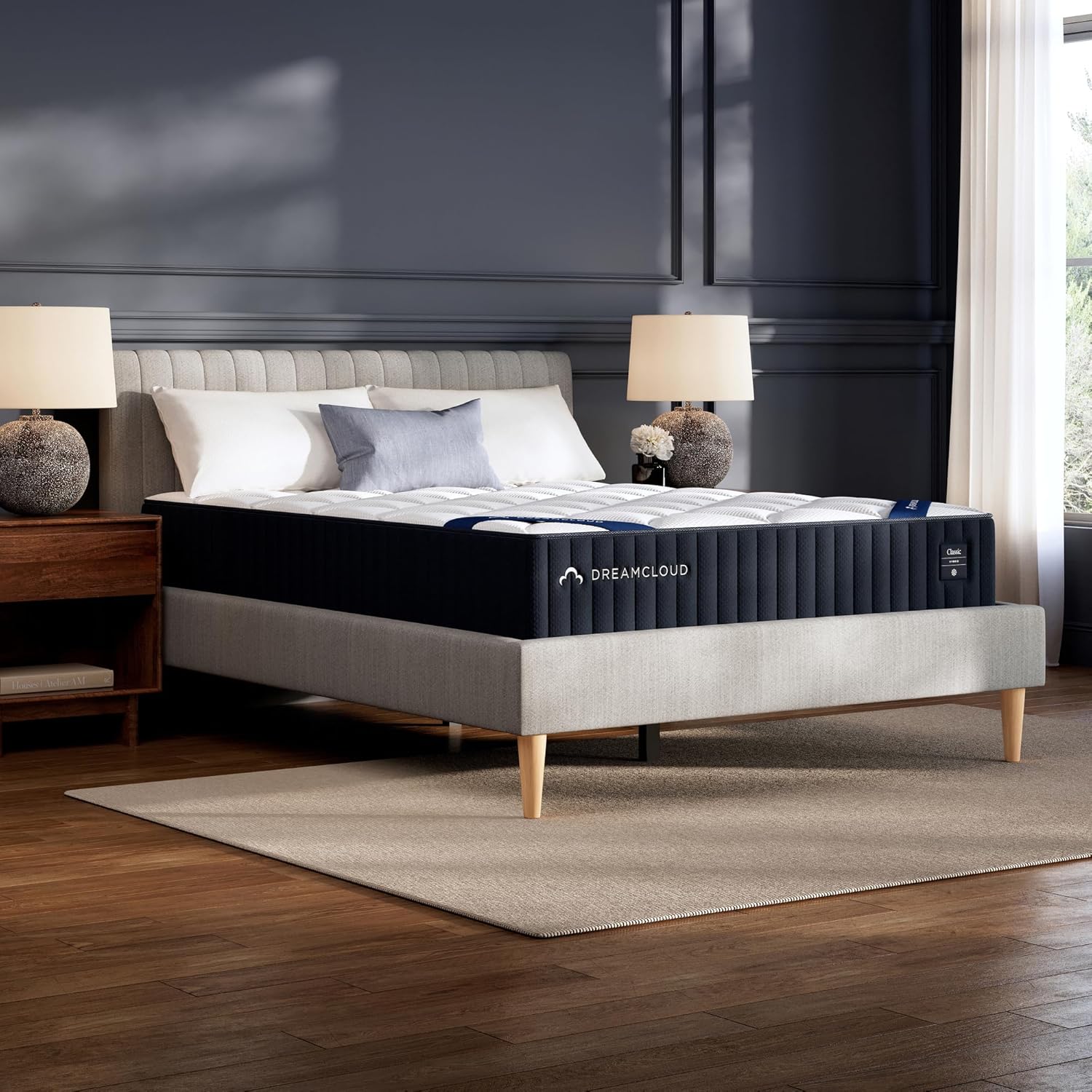
DreamCloud Classic Hybrid Mattress Best Luxury Feel |
|
Hotel-bed plushness without the marshmallow edge — a rare combination. | Check Price on Amazon |
| 3 | 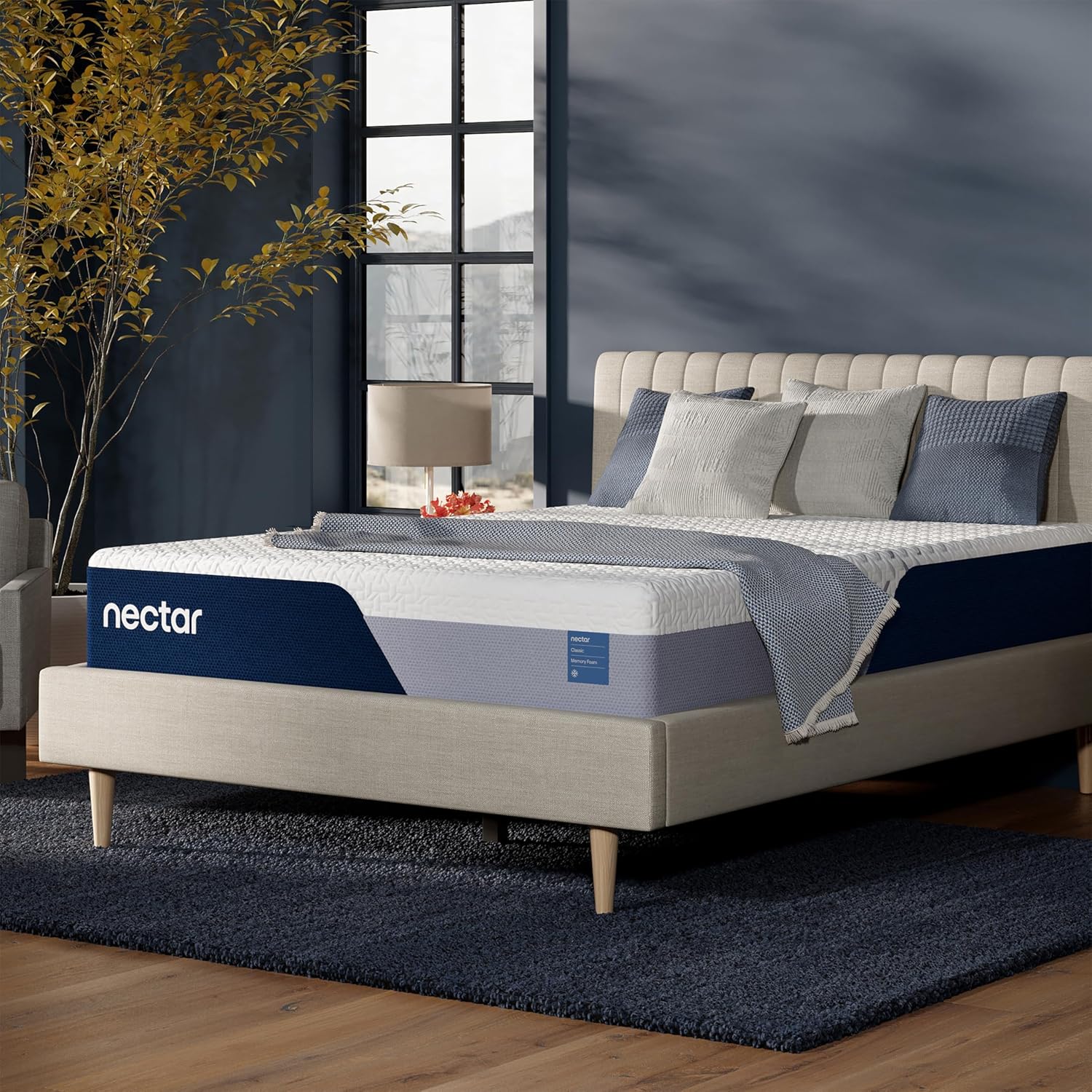 |
Nectar Classic Memory Foam Mattress Best All-Foam Edge |
|
Proof that you don’t need coils to get a usable, sit-on-able edge. | Check Price on Amazon |
| 4 |  |
Awara Hybrid Mattress Best Responsive Feel |
|
If you hate feeling “stuck” in foam, this one keeps you floating and supported at once. | Check Price on Amazon |
| 5 |  |
Siena Memory Foam Mattress Best Value Foam |
|
A firm, no-drama foam bed whose edge behaves like its middle. | Check Price on Amazon |
| 6 | 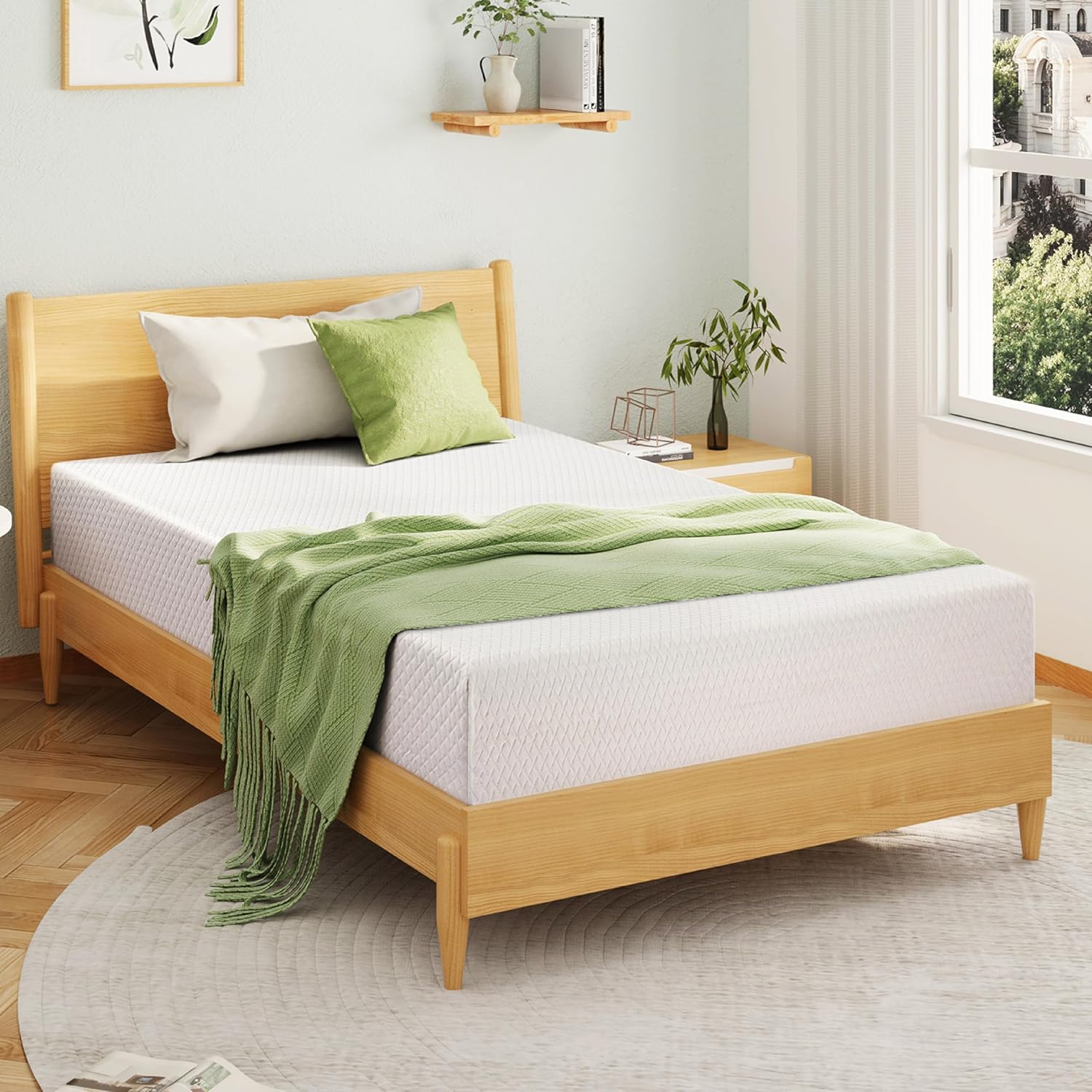 |
EGOHOME Memory Foam Mattress Best for Pressure Relief |
|
Comfort-first foam that still lets you sit on the side without a slide. | Check Price on Amazon |
| 7 |  |
Casper Sleep Original 11″ Hybrid Queen Mattress Best Balanced Hybrid |
|
The safe recommendation — works for most sleepers and keeps a tidy edge. | Check Price on Amazon |
| 8 |  |
Sweetnight Mattress Best Flexible Option |
|
A practical, adaptable pick for guest rooms, teens, and first apartments. | Check Price on Amazon |
Prices, availability, and promotions change frequently. The links above go straight to the live product listing so you can see the current options and sizes.
Found Your Shortlist?
Open the product pages above to compare current size and firmness options.
Check Price on Amazon
Best Overall
Sealy Dreamlife 14″ Hybrid Mattress
Sealy has been building mattresses long enough that you’d expect them to get the fundamentals right, and the Dreamlife 14″ Hybrid mostly delivers on that expectation. This is the mattress we keep coming back to when someone asks for a single recommendation, because it solves the edge problem without turning the rest of the bed into a compromise.
The formula is familiar: cushioning foam layers stacked over a coil core, wrapped in a tall 14-inch profile that looks substantial on a bed frame. What separates it from a lot of hybrids in its class is the way the perimeter is handled. Sit on the side and there’s give — there should be — but the compression is contained. Your hips settle an inch or so rather than cratering, and standing up takes no more effort than it would from a dining chair.
Key Features
- Hybrid construction with a 14-inch profile. The extra height gives the comfort layers room to work without crowding out the support core underneath.
- Reinforced perimeter behavior. The edge holds its line under body weight, which means the outer third of the mattress is genuinely usable.
- Balanced, medium-supportive feel. Not a cloud, not a plank — the middle ground most combination sleepers are actually looking for.
- Coil-based airflow. The open structure of the coil unit gives warm air somewhere to go, which foam-only beds have to engineer around.
- Everyday durability focus. The build is designed for the repeated sit-down-and-stand-up routine that damages weaker perimeters first.
What It’s Like to Live With
The first thing you notice is that the mattress doesn’t punish you for moving around. Combination sleepers — people who start on their side, end up on their back, and spend part of the night sprawled diagonally — will find the surface forgiving in every position. The comfort layers cushion the shoulder and hip when you’re on your side, but they don’t swallow you when you roll onto your back, and that balance is harder to hit than it sounds.
The second thing is how often you end up using the edge. Getting dressed, sitting for a phone call, perching while a kid climbs up — the Dreamlife handles all of it without the telltale slide. For couples, that translates directly into effective bed width. Nobody has to negotiate for the middle.
If there’s a caveat, it’s that this is a mainstream-feel mattress. Sleepers who want an extremely plush, hotel-top sensation may find it a touch too composed, and anyone who wants an ultra-firm, barely-any-give surface will find it more cushioned than they expected. It lives in the comfortable center of the spectrum, which is exactly why it works for so many people.
Pros
- Genuinely supportive perimeter you can sit on daily
- Tall profile looks and feels substantial
- Balanced feel works across sleep positions
- Coil core promotes airflow through the bed
- Strong choice for couples who use the full surface
Cons
- Not plush enough for die-hard soft-mattress fans
- Hybrid weight means setup usually needs two people
- Medium feel won’t satisfy those who want very firm support
Who it’s best for: Couples, combination sleepers, and anyone who sits on the edge of the bed every single morning. If you want one mattress that handles back, side, and edge-sitting without needing a spreadsheet to decide, this is the one to beat.
Sealy Dreamlife 14″ Hybrid Mattress
See available sizes and current options on Amazon.
Check Price on Amazon
Best Luxury Feel
DreamCloud Classic Hybrid Mattress
Some mattresses chase softness so aggressively that the whole bed becomes a bowl. The DreamCloud Classic Hybrid takes the other route: it stacks genuinely plush comfort layers on top, then builds enough structure underneath that the surface stays level all the way out to the border. The result feels indulgent without feeling unstable, which is the exact combination luxury mattresses usually promise and rarely deliver.
What we appreciate about this model is the honesty of the design. It’s a hybrid doing what hybrids are good at — using a coil unit for support and airflow while the foam layers handle pressure relief. There’s no gimmick, no novelty material with a trademarked name, just a well-stacked build that behaves predictably.
Key Features
- Plush comfort layers over a coil core. You get the sink-in sensation on top and the structural hold underneath.
- Supportive outer structure. The perimeter resists compression well enough for daily sitting and for sleeping near the edge.
- Deep surface cushioning. Particularly good at distributing weight for side sleepers with sensitive shoulders and hips.
- Good airflow through the coil unit. Less heat buildup than an all-foam bed of comparable softness.
- All-position versatility. Comfortable on your back, side, and stomach without any one position feeling like an afterthought.
What It’s Like to Live With
This is the mattress that makes you linger in bed a little longer in the morning. The comfort layers have a luxurious, cushioned quality that immediately reads as “nice hotel,” and unlike a lot of plush beds, the sensation doesn’t come with a penalty at the edges. Perch on the side to put on shoes and the mattress holds you at a sensible height, which tells you the support core is doing its job all the way out.
For side sleepers in particular, the pressure relief is the headline. Shoulders and hips settle into the surface instead of pressing against it, which reduces that nagging need to flip positions every hour. Back sleepers get a nice blend of lumbar hold and surface cushioning. Stomach sleepers who are lighter will be fine; heavier stomach sleepers may want something with a firmer overall profile.
One practical note: a plush hybrid like this rewards a good foundation. If your bed base has widely spaced slats or an old saggy box spring, you’ll be undoing some of the perimeter support the mattress is designed to provide. A solid platform or closely spaced slats keeps everything working as intended.
Pros
- Plush comfort that doesn’t collapse at the edges
- Excellent pressure relief for side sleepers
- Coil construction keeps air moving
- Versatile across sleep positions
- Feels more premium than its category suggests
Cons
- Too soft for sleepers who want a firm, flat surface
- Heavier stomach sleepers may want more support up front
- Plush feel takes a few nights to adjust to
Who it’s best for: Side sleepers, luxury-feel seekers, and anyone who has previously had to choose between a soft bed and a supportive one. It’s the pick for people who want to sink in slightly without losing their footing at the rim.
DreamCloud Classic Hybrid Mattress
Explore current sizes and options on Amazon.
Check Price on Amazon
Best All-Foam Edge
Nectar Classic Memory Foam Mattress
All-foam mattresses have a reputation for weak edges, and honestly, it’s earned. Without a coil unit to reinforce the perimeter, a foam mattress is only as stable as its densest layer. The Nectar Classic Memory Foam Mattress is a good example of a brand getting that layer right: the base foam carries far enough out, and firm enough, that the border stays functional rather than decorative.
Everything else here is classic memory foam. The surface conforms slowly to your shape, movement feels damped and quiet, and there’s no creak or spring response when you change positions. If you’ve slept on memory foam before and loved it, this is the familiar experience — executed with more attention to the perimeter than most.
Key Features
- All-foam memory foam construction. Slow-response contouring that cradles pressure points and dampens movement.
- Dense support base. The layer that does the heavy lifting at the edge, resisting permanent compression.
- Minimal motion transfer. One of the biggest advantages foam has over coils — ideal for light sleepers sharing a bed.
- Quiet, stable surface. No springs, no squeaks, no shifting components over time.
- Body-conforming comfort. Particularly effective for side sleepers and anyone with pressure-point sensitivity.
What It’s Like to Live With
Memory foam changes the way you interact with a bed. Instead of lying on the surface, you settle into it, and the material distributes your weight across a wider area. For sleepers with shoulder or hip discomfort, that can mean fewer wake-ups and less fidgeting. The Nectar Classic does this well, with enough responsiveness that you don’t feel trapped when you want to change position.
The edge is the interesting part. It’s not as rigid as a reinforced hybrid — physics makes that hard for foam — but it’s far better than the mushy borders that give all-foam beds a bad name. Sitting to get dressed is comfortable, and sleeping near the side doesn’t create a dramatic roll-off feeling. It’s a mattress that maximizes its usable surface.
The trade-off with all foam is warmth. Memory foam retains more body heat than coils, though modern builds have gotten much better at mitigating it. If you sleep hot, consider your bedding and room temperature as part of the equation — our overview of thermal comfort covers the whole system, from mattress to duvet to thermostat.
Pros
- Excellent motion isolation for couples
- Strong foam-based edge support for its category
- Conforming comfort for side and back sleepers
- Completely silent surface
- Easy to set up and position
Cons
- Foam retains more heat than a hybrid
- Edge is good, but not hybrid-firm
- Slow-response feel isn’t for everyone
Who it’s best for: Couples where one partner is a light sleeper, side sleepers with pressure-point issues, and anyone who specifically wants an all-foam bed but refuses to give up a usable edge.
Nectar Classic Memory Foam Mattress
Check current sizes and availability on Amazon.
Check Price on Amazon
Best Responsive Feel
Awara Hybrid Mattress
There are two kinds of mattress people in the world: those who love sinking into memory foam and those who feel slightly imprisoned by it. The Awara Hybrid is built for the second group. Its comfort layer has a buoyant, springy quality that pushes back gently as you move, and the coil core underneath carries that responsiveness all the way to the border.
That responsiveness has a direct connection to edge support. When a surface springs back quickly, it doesn’t accumulate the deep, permanent impressions that eventually turn the perimeter into a slope. The Awara feels lively from the middle to the rim, which makes getting in and out of bed feel natural rather than effortful.
Key Features
- Responsive comfort layer with buoyant support. You sleep on the mattress rather than in it, and changing position takes almost no effort.
- Coil core with solid edge structure. The perimeter holds firm for sitting, lounging, and edge sleeping.
- Natural-materials focus. A draw for shoppers who want their bedding to lean away from purely synthetic builds.
- Excellent airflow. The open coil unit allows heat to dissipate rather than pooling around your body.
- Durable construction philosophy. Materials chosen to resist the compression that ruins weaker perimeters over time.
What It’s Like to Live With
The word that keeps coming up with the Awara is “easy.” It’s easy to turn over on, easy to sit on the edge, easy to sit up in bed to read, easy to get out of in the morning. None of those sound like major features until you’ve spent a year on a mattress that fights you in each of those moments.
Back and combination sleepers tend to love the buoyant feel, since it keeps the spine aligned without creating pressure ridges. Side sleepers get decent cushioning, though very light side sleepers who want deep contouring might prefer something softer on top. Hot sleepers should take note of the airflow advantage here — the coil unit does real work in this department.
Edge performance is one of the strongest arguments for this model. The perimeter feels continuous with the rest of the bed, without the awkward softening you get on foam builds that ran out of support material at the border. For anyone who uses their mattress as a seat as much as a bed, that continuity matters.
Pros
- Buoyant, easy-to-move-on surface
- Excellent edge consistency from center to rim
- Strong airflow keeps the surface cooler
- Natural-materials focus appeals to eco-minded buyers
- Great for combination sleepers and readers in bed
Cons
- Less contouring than traditional memory foam
- Responsive feel can take getting used to
- Hybrid weight makes moving it a two-person job
Who it’s best for: Hot sleepers, combination sleepers, and anyone who dislikes the “stuck” feeling of memory foam. It’s also an outstanding pick for people who read or work while sitting up in bed.
Best Value Foam
Siena Memory Foam Mattress
Not every mattress needs to be an engineering showcase. The Siena Memory Foam Mattress makes a virtue of simplicity: a layered foam build, a slightly firmer-than-average support profile, and a surface that behaves the same way in the middle as it does at the edge. For budget-conscious shoppers, that consistency is worth more than any number of exotic material claims.
Firmer foam beds have a natural advantage at the perimeter. Because the material compresses less under body weight, the edge doesn’t develop the deep impression that eventually turns into a slope. The Siena leans into that advantage, and the result is a mattress where sitting on the side feels almost exactly like sitting anywhere else.
Key Features
- Memory foam construction with a firmer-leaning feel. Supportive without being punishing, and stable under body weight.
- Straightforward layered design. Comfort layer on top, dense base underneath — nothing complicated, nothing fragile.
- Consistent surface response. The edge behaves like the middle, which maximizes usable space.
- Lightweight handling. Easier to unbox, rotate, and position than most coil-based alternatives.
- Low-motion transfer. Movement stays local instead of traveling across the mattress.
What It’s Like to Live With
The Siena is the mattress equivalent of a good everyday car. It’s not flashy, it doesn’t have a signature gimmick, and it does the fundamentals properly. The surface has enough contouring to relieve pressure at the shoulders and hips, but it never feels like you’re being swallowed, which makes it a good middle option for couples with different preferences.
Back sleepers get particularly good results here, since the firmer profile keeps the lumbar region from dropping. Stomach sleepers will appreciate the flat support. Side sleepers who are lighter will be comfortable; heavier side sleepers might want a touch more surface softness, and in that case one of the plush hybrids above is a better fit.
The edge is where this mattress earns its place in the guide. It’s genuinely firm at the border, and for anyone who needs a stable surface to sit on — whether that’s a mobility consideration or just habit — the Siena delivers without demanding a premium budget.
Pros
- Consistently firm edge — excellent for sitting
- Strong support for back and stomach sleepers
- Lightweight and easy to set up alone
- Excellent motion isolation
- Straightforward, no-nonsense construction
Cons
- Firmer feel won’t suit plush lovers
- Less contouring than softer memory foam options
- All-foam build sleeps warmer than a hybrid
Who it’s best for: Back and stomach sleepers, value-focused shoppers, and anyone who ranks edge stability at the very top of their priority list. It’s also a strong pick for guest rooms where you don’t know who’s sleeping over.
Best for Pressure Relief
EGOHOME Memory Foam Mattress
EGOHOME approaches the mattress from the comfort end of the spectrum. The surface layers here are designed to cradle and conform, giving that gentle-hug sensation memory foam is loved for, while a supportive base underneath keeps the whole thing from bottoming out. It’s a comfort-first design that still takes the perimeter seriously.
For people who wake up with aching shoulders, stiff hips, or that general “I slept badly and I don’t know why” feeling, pressure relief is the spec that matters most. The EGOHOME focuses its engineering there, and the edge performance is good enough that the comfort doesn’t come at the cost of a usable border.
Key Features
- Body-hugging memory foam comfort layers. Conform closely to your shape and spread weight over a wider area.
- Supportive base for perimeter stability. The dense foundation layer keeps the edges from collapsing under daily sitting.
- Low-motion surface. Movement stays put, which makes it a dependable choice for shared beds.
- Slow, cushioned response. Gives sleepers time to settle into the surface rather than bouncing off it.
- Comfort-oriented design philosophy. Every layer prioritizes pressure relief and body alignment.
What It’s Like to Live With
Side sleepers tend to become EGOHOME converts quickly. The comfort layers let the shoulder and hip sink in just enough to keep the spine in a straight line, and that alignment is what separates a restorative night from a restless one. Back sleepers get a gentle cradle around the lower back, and combination sleepers will find the surface forgiving in every position.
The edge is softer than a firm foam bed like the Siena, but still functional. Sitting on the side to put on shoes works fine, and sleeping close to the rim feels controlled rather than precarious. If your priority is sleeping comfort with acceptable edge behavior, that’s exactly the trade this mattress makes.
Like most memory foam models, it does retain some warmth. Pairing it with breathable bedding and keeping the bedroom a degree or two cooler makes a real difference. Temperature, surface, and support all feed into each other — a point we cover in more depth in our guide to thermal comfort.
Pros
- Outstanding pressure relief for side sleepers
- Very low motion transfer
- Comfortable, cushioned edge for everyday sitting
- Good body alignment support
- Straightforward to unbox and set up
Cons
- Softer edge than the firmer foam options in this guide
- Memory foam warmth may bother hot sleepers
- Slow response feels unfamiliar to spring-mattress loyalists
Who it’s best for: Side sleepers, anyone with shoulder or hip sensitivity, and couples who want to stop waking each other up with every position change.
EGOHOME Memory Foam Mattress
Check available sizes and current options on Amazon.
Check Price on Amazon
Best Balanced Hybrid
Casper Sleep Original 11″ Hybrid Queen Mattress
Casper built its reputation on making the mattress-buying decision simple, and the Sleep Original 11″ Hybrid is a good illustration of that philosophy. It’s a hybrid with an 11-inch profile and a layered, thoughtfully zoned comfort design, aimed at the widest possible range of sleepers. It’s not the softest bed in this guide and it’s not the firmest — it’s the one most likely to make both halves of a couple reasonably happy.
The hybrid construction gives it a structural edge over foam-only models when it comes to the perimeter. The coil unit supports the outer region of the mattress, and the comfort layers are balanced enough that they don’t flood over the side when weight is applied.
Key Features
- Hybrid construction with an 11-inch profile. A clean, moderate height that works with most frames and sheets.
- Queen size option shown. The most popular mattress size for couples, and the one where edge support pays off the most.
- Layered, zoned comfort design. Different areas of the mattress are engineered to support different parts of your body.
- Neutral, widely agreeable feel. Designed to suit most sleep positions rather than optimizing for one.
- Coil-driven airflow and support. Better temperature behavior and structure than an all-foam equivalent.
What It’s Like to Live With
The Casper Original Hybrid is a remarkably easy mattress to live with. There’s no adjustment period of note, no dramatic soft spot, no firmness cliff. You lie down, it supports you, and you get on with sleeping. That sounds like faint praise until you’ve spent a month on a mattress that required a negotiation every night.
The edge is tidy and dependable. It’s firm enough for sitting comfortably and stable enough for couples who gravitate toward the outer thirds of the mattress. It won’t match the reinforced-perimeter specialists at the very top of this guide, but it’s well above average, and for most households that’s more than sufficient.
Where this mattress truly shines is versatility. Back sleepers, side sleepers, combination sleepers, and most stomach sleepers will find something to like. It’s the mattress you can confidently recommend to someone whose preferences you don’t know, which in practice makes it one of the most useful picks on this list.
Pros
- Balanced feel suits a wide range of sleepers
- Dependable edge support from the coil unit
- Zoned design supports spinal alignment
- Moderate 11-inch profile works with most bedding
- Excellent “safe recommendation” choice
Cons
- Neutral feel won’t thrill those who want a distinct sensation
- Not as plush as the luxury-leaning hybrids
- Heavier sleepers may want a firmer support profile
Who it’s best for: Couples with different sleep preferences, first-time hybrid buyers, and anyone who wants a solid all-rounder without agonizing over specs. If you’re shopping for a mattress as a gift or for a shared home, this is a low-risk choice.
Casper Sleep Original 11″ Hybrid Queen Mattress
View current sizes and options on Amazon.
Check Price on Amazon
Best Flexible Option
Sweetnight Mattress
The Sweetnight rounds out this guide as the practical pick. It’s a foam-based mattress built around comfort and ease of use: comfortable surface layers, a stable base, and a setup process simple enough that one person can handle it. It won’t out-engineer the hybrids at the top of this list, but it does the everyday things well and doesn’t pretend to be something it’s not.
For a lot of shoppers, that practicality is the entire point. Not everyone needs a mattress optimized for a specific sleep position or a specific physique. Some people need a comfortable, dependable bed for a guest room, a teenager’s first real mattress, or a starter apartment — and the Sweetnight is aimed squarely at that job.
Key Features
- Foam-based construction with comfort-focused layers. A cushioned surface that’s easy to settle into.
- Stable base for everyday sitting. The edge holds up to regular use without developing an obvious slope.
- Simple unboxing and setup. Manageable weight and a straightforward expand-and-sleep process.
- Comfortable all-round feel. Works across sleep positions without any strong bias.
- Practical, adaptable design. Suitable for a range of rooms, sleepers, and budgets.
What It’s Like to Live With
Setup is the first win. The mattress arrives compressed, expands in a straightforward way, and doesn’t require a small moving crew to get into position. For renters, for anyone setting up a room alone, or for anyone who simply doesn’t want to wrestle with a 100-plus-pound hybrid, that matters more than it sounds.
In daily use it’s comfortable and undramatic. The surface is soft enough to be welcoming and supportive enough to keep your spine aligned, and the edge is stable for the usual routine of sitting down and standing up. It’s a mattress that quietly works rather than one that makes a statement, and there’s a real market for exactly that.
If there’s a limitation, it’s depth of specialization. Very hot sleepers, very heavy sleepers, and people with specific orthopedic needs will find more tailored options elsewhere in this guide. For everyone else — particularly in secondary bedrooms and first homes — it’s a sensible, comfortable, unfussy choice.
Pros
- Easy to unbox and set up alone
- Comfortable, balanced feel across positions
- Stable edge for everyday sitting
- Well suited to guest rooms and first apartments
- Practical, no-fuss design
Cons
- Less specialized than the position-specific picks
- Foam build may sleep warmer than a hybrid
- Not the strongest option for heavier body types
Who it’s best for: Guest rooms, teens, renters, and anyone setting up a bedroom on a practical budget who still wants a comfortable, stable mattress with a workable edge.
12. Hybrid vs Memory Foam: Which Holds the Edge Better?
By now you’ve noticed that this guide is split roughly in half between hybrids and all-foam mattresses, and that the hybrids generally come out ahead on edge performance. That’s not bias — it’s construction physics. But the full picture is more nuanced than “coils good, foam bad,” and the right answer depends on what you’re optimizing for.
Why hybrids usually win the perimeter
A coil unit is inherently a structural object. Each spring is a column that resists vertical compression, and manufacturers can reinforce the outer rows of that unit with thicker gauge wire, tighter spacing, or a foam encasement around the whole assembly. Those techniques create a perimeter that resists compression in a way that foam alone struggles to match.
The practical result: hybrids tend to feel the same at the border as they do in the middle. Sit down and the surface holds. Sleep near the side and the support doesn’t fall away. For couples, that’s a meaningful upgrade in effective bed width.
Where all-foam fights back
Foam mattresses win on motion isolation, silence, and pressure relief. If your partner tosses and turns, foam keeps that movement local. If you have pressure-point sensitivity, foam distributes your weight more evenly than any coil. And a well-built foam mattress — one with a dense, high-quality base layer — can absolutely deliver a functional edge, as the Nectar and Siena demonstrate.
The key word is “well-built.” With foam, edge support is entirely a function of base-layer density and thickness. There are no springs to fall back on, so if a foam mattress is going to fail anywhere, it will fail at the perimeter first.
Smaller comparison: how the styles stack up
Swipe to see more →
| Style | Product | Edge Behavior | Best For | Deal |
|---|---|---|---|---|
| Hybrid | Sealy Dreamlife 14″ HybridMost Complete Edge | Holds firm under sitting and edge-sleeping weight | Couples and combination sleepers | Check Price on Amazon |
| Hybrid | Awara HybridMost Responsive | Buoyant, consistent perimeter from center to rim | Hot sleepers and those who dislike foam sink | Check Price on Amazon |
| Hybrid | Casper Original 11″ HybridBest All-Rounder | Dependable and tidy, well above category average | Couples with mixed preferences | Check Price on Amazon |
| Memory Foam | Siena Memory FoamFirmest Foam Edge | Firm, flat, and consistent at the border | Back and stomach sleepers, sitting comfort | Check Price on Amazon |
| Memory Foam | Nectar Classic Memory FoamBest Motion Isolation | Functional, slightly softer than a hybrid | Couples with light sleepers | Check Price on Amazon |
The honest answer
If edge support is your number-one priority, buy a hybrid with a reinforced perimeter. If pressure relief and motion isolation matter more and you want a decent edge rather than a spectacular one, a well-built memory foam mattress will serve you better than a mediocre hybrid. The worst choice is a cheap hybrid with an unreinforced coil unit, because you get the weight and the bounce without any of the structural benefits.
Whichever direction you go, pair the mattress with a proper foundation. A hybrid on sagging slats will outperform nothing, and a foam mattress on a flexible base will curve exactly where you don’t want it to. Solid platforms, closely spaced slats, or a matching base from the same brand are all safe bets.
Compare Hybrid and Foam Builds Side by Side
Browse both construction types and filter by size and feel.
Check Price on Amazon13. Buying Guide: Choosing an Edge-Support Mattress You Won’t Regret
A mattress is a long-term roommate. You’ll spend more time with it than with almost any other purchase you make, and unlike a sofa or a chair, a bad one affects your health, your mood, and your relationships. Here’s how to make the decision without drowning in marketing language.
Start with your sleep position
Your sleep position determines how much surface softness you need. Side sleepers require enough give to let the shoulder and hip sink in while keeping the spine straight. Back sleepers need a flatter surface that supports the natural curve of the lower back. Stomach sleepers need the firmest surface of all, because a soft mattress lets the midsection drop and pulls the spine out of alignment.
Edge support interacts with all three. Side sleepers who gravitate toward the rim need a mattress where the perimeter doesn’t soften noticeably. Stomach sleepers need an edge that won’t compress at all. Back sleepers are the most forgiving group, but they still benefit from a stable border when sitting up in bed. For a deeper dive, our guide to choosing mattress firmness breaks down the position-to-firmness relationship in detail.
Consider your body weight honestly
Body weight changes how a mattress feels. Lighter sleepers compress the comfort layers less and experience a mattress as firmer than a heavier sleeper would on the same product. Heavier sleepers push through comfort layers faster and rely more on the support core, which makes edge reinforcement more important for them, not less.
As a rule: the more weight the perimeter has to carry, the more structure you want in the support core. Hybrids with reinforced outer coils or foam encasements handle higher loads better than thin foam bases.
Check the foundation before you check the mattress
This is the most commonly skipped step and the most common cause of disappointment. If your current bed frame has slats spaced more than a few inches apart, or your box spring is older than the mattress you’re replacing, the new mattress will sag between the supports — and no amount of edge engineering fixes that. Budget for a proper foundation if yours isn’t up to standard.
Think about the whole sleep environment
A mattress is one piece of a system. Temperature, bedding, room light, and noise all affect sleep quality. If you’ve never thought about how heat affects rest, our introduction to thermal comfort is a useful starting point — it explains why some people overheat regardless of mattress and what to adjust first.
The same systems thinking applies to your daytime setup. If you’re spending eight hours at a desk on an unsupportive chair before you ever get to bed, no mattress fully solves the resulting back strain. See our recommendations for a comfortable office chair and our ergonomic desk setup guide for the daytime half of the equation.
Practical questions to ask before buying
- How thick is the comfort layer relative to the support core? A thick comfort layer on a thin base is a durability warning sign.
- What holds the edge in place? Look for foam encasement, reinforced outer coils, or a dense base — ideally more than one.
- What foundation is required? Some warranties are void if you use the wrong base.
- How heavy is the mattress? If you’ll need to rotate it regularly, consider whether you can physically manage it.
- What’s the return window? Body adjustment takes time; a few weeks is not always enough to judge a mattress fairly.
- Who else sleeps here? Motion isolation, edge width, and firmness preference all change when a second person joins the equation.
A note on “break-in” periods: Most mattresses soften slightly in the first few weeks of use as the comfort layers relax. A mattress that feels a touch firm on day one is usually right on day thirty. A mattress that feels perfect on day one often feels too soft a month later. When in doubt, err toward slightly firm.
Ready to Narrow It Down?
Compare mattresses by construction type, feel, and size on Amazon.
Check Price on Amazon14. Care and Maintenance: Keeping the Edges Firm for Years
Even the best edge support degrades faster if the mattress is mistreated. The good news: maintenance is genuinely simple, and most of it comes down to a handful of habits rather than products or rituals.
Rotate, don’t flip
Most modern mattresses are built with a specific top and bottom, which means flipping them puts your body on a layer never designed for sleeping. Rotating head-to-foot, however, is almost always beneficial. It distributes wear across the entire surface and prevents the body-shaped impression that eventually migrates toward the perimeter. Every three to six months is a reasonable rhythm.
Remember that a hybrid mattress is heavy. If rotating it is a two-person job, schedule it rather than doing it impulsively — and use the occasion to check the foundation underneath for any sagging slats or loose supports.
Be deliberate about where you sit
It’s not realistic to stop sitting on the edge of the bed. But if you always sit in exactly the same spot, that narrow band compresses far faster than the rest of the mattress. Varying your position by a foot or two occasionally is a small habit with real long-term payoff. And if you spend long stretches sitting up in bed to read or work, a supportive pillow behind you reduces the load on both the mattress and your back.
Protect the surface
A quality mattress protector guards against moisture, spills, and allergens without meaningfully changing the feel. Moisture is the quiet killer of foam: once a comfort layer absorbs liquid repeatedly, it breaks down faster and loses the density that provides edge support. If you want to go further, our guide to cleaning fabric upholstery has transferable principles for keeping any textile surface fresh without saturating it.
Support the support system
The mattress sits on a foundation, which sits on a frame. Check all three. Slats should be intact and closely spaced. Center support legs should touch the floor firmly. A frame that flexes under load will make even a great mattress develop the very sags you’re trying to avoid. A quick six-month inspection takes five minutes and can add years to a mattress’s useful life.
Know when it’s actually time to replace
Mattresses don’t announce retirement. They gradually stop recovering — impressions stay visible in the morning, the edge feels noticeably softer than the middle, and you start waking up with aches that weren’t there before. If you’re seeing those signs, maintenance won’t fix it. The furniture around your bed has similar timelines; our article on how long a sofa lasts covers the same “is it worn out or just used” question for another big upholstered purchase.
Do This
- Rotate the mattress every few months
- Use a breathable mattress protector
- Vary where you sit on the edge
- Check slats and center supports twice a year
- Give a new mattress a few weeks before judging it
Avoid This
- Sitting in the exact same spot daily
- Flipping a single-sided mattress
- Using a sagging or widely spaced foundation
- Soaking stains instead of spot-cleaning
- Ignoring deep, permanent impressions
Protect Your Investment
Find a mattress protector that keeps moisture out without changing the feel.
Check Price on Amazon15. Frequently Asked Questions
What exactly is mattress edge support?
Edge support describes how well the perimeter of a mattress resists compression under weight. A mattress with strong edge support feels similar at the border as it does in the middle, which means you can sit on the side, sleep near the rim, and use the full surface without feeling like you’re going to slide off.
Why does edge support matter if I sleep in the middle of the bed?
Because you almost certainly don’t sleep in the middle all night, and because you sit on the edge constantly during the day. Even if you never drift toward the rim, you use the border every morning and evening. Weak edges also tend to be the first area of a mattress to develop permanent sagging.
Do hybrids always have better edge support than memory foam?
Generally yes, because a coil unit can be reinforced at its outer rows or wrapped in a foam encasement. But it’s not automatic — a hybrid with an un-reinforced coil unit can feel worse at the edge than a memory foam mattress with a dense, high-quality base layer. Construction quality matters more than category.
Can I fix a mattress with a soft or sagging edge?
Not really. Once the foam or coil structure has broken down at the perimeter, it doesn’t recover. What you can do is check your foundation first — sometimes sagging slats or a worn-out base are the real culprit — and if the mattress itself is the problem, replacement is the only lasting fix.
How can I test edge support in a store?
Sit on the edge with your feet flat on the floor and notice how far you sink and whether your thighs angle upward. Then lie down and shuffle toward the rim until your arm hangs off, and see whether the support changes noticeably. Finally, ask what physically reinforces the perimeter — a good salesperson or product page will have a real answer.
Does mattress firmness affect edge support?
Yes. Firmer mattresses usually compress less at the border, so they feel more stable to sit on. But firmness and edge support are separate qualities — a soft mattress can have a reinforced perimeter, and a firm mattress can still have a weak one. Evaluate both independently.
Is edge support important for couples?
Especially for couples. Two people on a queen or full mattress inevitably end up near the sides at times, and a soft edge effectively shrinks the bed. Strong edge support means both sleepers can use the entire surface comfortably, which reduces nighttime negotiation.
What foundation is best for preserving edge support?
A solid platform or a slatted base with closely spaced, sturdy slats. Avoid old box springs with worn internal springs, and avoid frames that flex noticeably when you press on the middle. Many mattress warranties specify acceptable foundations, so check before you buy.
How often should I rotate my mattress?
Every three to six months is a good rhythm for most mattresses. Rotating head-to-foot distributes wear and helps prevent body impressions from forming in the same spot year after year. Check the manufacturer’s guidance first, since some specialty builds have specific instructions.
Do heavier sleepers need stronger edge support?
Yes. More body weight means more compression at every point of contact, and the perimeter is the least structurally supported zone in most mattresses. Heavier sleepers get the most benefit from reinforced coils, dense base foams, or a hybrid design that carries support all the way to the border.
Can a mattress topper improve edge support?
Not really, and it can make things slightly worse. A topper adds softness across the whole surface, including the perimeter. Toppers are great for adjusting overall feel and pressure relief, but structural stability has to come from the mattress and foundation themselves.
How long should a mattress with good edge support last?
That depends on construction quality, body weight, and how the mattress is used, but a well-built mattress on a proper foundation should hold its shape comfortably for many years. The earliest warning signs of decline are permanent impressions and a border that feels noticeably softer than the center.
Still Deciding?
Browse current best-selling mattresses and compare live options.
Check Price on AmazonFinal Verdict
16. The Best Mattress with Edge Support Is the One You Can Actually Use
Edge support sounds like a niche detail until the first morning you sit down on a soft perimeter and slide toward the floor. Then it becomes the feature you check first on every mattress you look at. The encouraging news is that you don’t have to choose between a comfortable mattress and a stable one — the eight options in this guide prove it.
Our top overall pick is the Sealy Dreamlife 14″ Hybrid Mattress, which delivers the most complete package: a balanced feel across sleep positions, a substantial profile, and a border that genuinely holds up to daily sitting and edge-sleeping. If you want more plushness, the DreamCloud Classic Hybrid gives you luxury cushioning without the marshmallow rim. If you prefer all-foam and want to keep motion transfer near zero, the Nectar Classic Memory Foam shows that foam can absolutely deliver a functional edge when the base layer is done right.
Whatever you choose, do the boring things well: match the mattress to your sleep position and body weight, put it on a foundation that actually supports it, and rotate it on a schedule. Do that, and the perimeter stays firm long after the novelty of a new bed has worn off.
Sleep is the foundation everything else rests on — your focus at work, your patience at home, your energy at the end of the day. It deserves the same attention you’d give to any other part of your setup.
Ready to Upgrade Your Sleep?
Start with our top pick and compare current sizes and options.
Check Price on AmazonYou May Also Like
Comfort doesn’t stop at the mattress. These guides cover the rest of the home — seating, desks, bathrooms, and more.
Best Gaming Chair for Comfort
Long sessions demand real support. Here’s what separates a comfortable gaming chair from a marketing package.
Read the guide → BathroomBest Comfort Height Toilet
Height matters more than most people expect. A look at the toilets that make everyday use easier on the body.
Read the guide → ExplainerWhat Is a Comfort Height Toilet?
Plain-English explanation of the standard, who benefits from it, and how it differs from conventional models.
Read the guide → ComparisonComfort Height vs Standard Toilet
A direct side-by-side of the two toilet heights, with the practical trade-offs laid out clearly.
Read the guide → How-ToHow to Adjust an Office Chair
Most people never touch their chair settings. A few minutes of adjustment can change your whole workday.
Read the guide → ComparisonGaming Chair vs Office Chair
Two very different design philosophies. Which one actually supports you better over an eight-hour day?
Read the guide → Living RoomBest Sofa for Comfort and Durability
Comfort you can feel and construction that lasts — the sofas that deliver both instead of one.
Read the guide → WorkspaceBest Ergonomic Keyboard for Wrist Comfort
Typing strain builds slowly. These keyboards are designed to keep your wrists in a neutral, relaxed position.
Read the guide → BathroomBest Elongated Toilets for Comfort
Shape matters too. A rundown of elongated bowls that improve everyday comfort in the bathroom.
Read the guide → How-ToHow to Prevent Wrist Pain from Typing
Practical adjustments to posture, equipment, and habits that reduce strain before it becomes a problem.
Read the guide → ComparisonElongated vs Round Toilet
Bowl shape, comfort, and space considerations compared so you can pick the right fit for your bathroom.
Read the guide →