
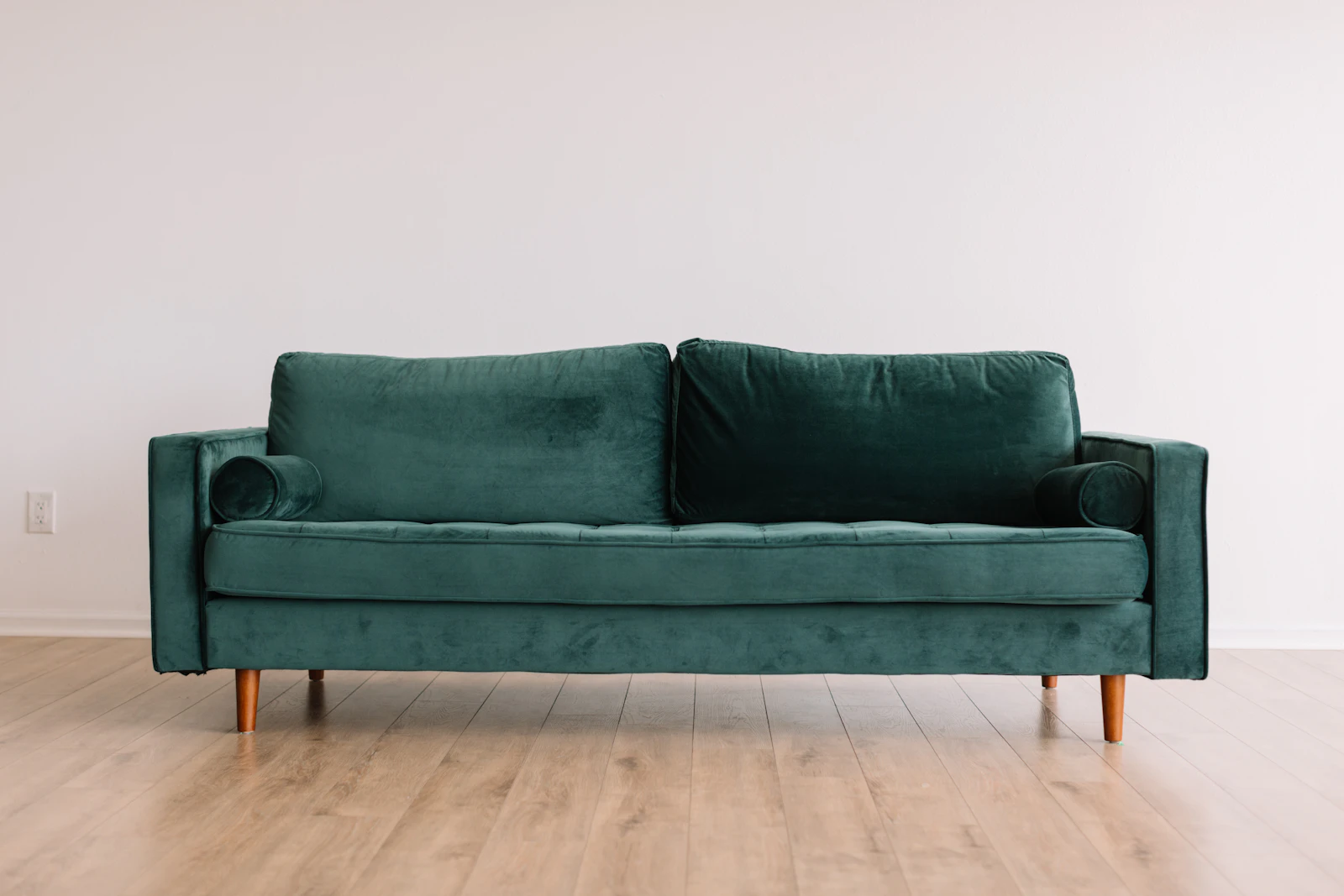
How Long Does a Sofa Last? The Real Answer Depends on What’s Inside
Frame, springs, foam, fabric — the four things that decide whether your sofa is a decade-long companion or a five-year disappointment.
Why “How Long Does a Sofa Last?” Never Has a Single Number
Ask ten furniture people how long a sofa should last and you’ll get ten different answers. That’s not evasion — it’s because a sofa isn’t one thing. It’s a frame, a suspension system, a cushion stack, and a fabric shell, and the weakest of those four decides the lifespan of the whole piece.
Still, people want a number, so here is the honest version: a well-made sofa used every day in a typical household generally gives somewhere between seven and fifteen years of comfortable service, while a budget sofa with a soft frame and low-density cushions may start feeling tired in three to five. A genuinely well-built piece, properly cared for, can push past two decades — though by then it usually needs new cushions or reupholstery rather than replacing outright.
That range is wide on purpose. Two sofas that look identical in a showroom can differ enormously under the fabric. One may have a kiln-dried hardwood frame joined with corner blocks and an eight-way hand-tied spring base; the other may have a stapled softwood frame with sinuous springs and foam that crushes after a couple of winters. From the outside, you’d never tell. From the seat, you’ll notice within a year.
This guide breaks sofa longevity down the way furniture makers actually think about it. We’ll look at frame construction, joinery, suspension, cushion cores, upholstery, and the habits in your home that accelerate wear. You’ll find comparison tables for materials and sofa types, honest pros and cons, a repair-versus-replace framework, and a practical maintenance routine that can genuinely extend the useful life of what you own. If you’re shopping rather than nursing an old piece, we also cover what to inspect before you buy — and our companion guide to the best sofa for comfort and durability goes deep on specific construction hallmarks worth paying for.
One thing worth saying up front: comfort and longevity are not the same thing, but they’re deeply linked. The cushion that feels heavenly in a showroom for thirty seconds is often the same cushion that bottoms out permanently after a year. Real comfort lasts only when the support underneath it is engineered to hold its shape. The same principle shows up everywhere in home ergonomics, from a mattress with strong edge support to a properly adjusted task chair — the structure carries the softness, not the other way around.
Shopping for a Sofa That Lasts?
Browse solid-frame sofas, sectionals, and replacement cushions before you decide.
Check Sofas on Amazon
Average Sofa Lifespan at a Glance
Let’s start with the numbers people actually want, then explain how much weight they deserve. Furniture industry guidance, upholstery professionals, and experienced makers tend to converge on a rough tiering: budget sofas last around three to seven years of daily use, mid-range sofas around seven to twelve, and well-built sofas around twelve to twenty or more. Those figures assume daily seating by a normal household — not a rarely-used formal parlor, and not a family of five plus two large dogs.
The table below gives a working estimate by quality tier. Treat it as a planning range, not a guarantee, because the specific construction details we cover later in this guide can swing any tier by several years in either direction.
Swipe to see more →
| Quality Tier | Typical Daily-Use Lifespan | Common Construction | Where It Usually Fails First |
|---|---|---|---|
| Budget / entry level | 3–7 years | Softwood or engineered board frame, stapled joints, sinuous springs, low-density foam | Seat cushions flattening, frame loosening and creaking |
| Mid-range | 7–12 years | Kiln-dried hardwood or quality plywood frame, blocked corners, sinuous or drop-in springs, mid-density foam | Upholstery wear and fabric fading before structural failure |
| Upper mid / premium | 12–20 years | Kiln-dried hardwood frame, mortise-and-tenon joinery, eight-way hand-tied or quality spring system, high-resilience foam | Cushion softening and fabric fatigue; frame remains sound |
| Heirloom / custom | 20+ years | Hardwood frame with traditional joinery, hand-tied springs, layered natural fills, performance or leather upholstery | Upholstery and cushioning only — frames routinely outlast several covers |
Why the Ranges Overlap
Notice that a top-tier sofa’s failure point is usually soft material — foam, fiber, fabric — rather than structure. That’s the fundamental insight of this entire article: the frame decides whether a sofa can last; the soft goods decide how long it stays enjoyable. A sofa with a superb frame and mediocre foam will still feel like an old sofa long before it technically breaks. A sofa with cheap foam and a cheap frame will fail on both fronts at once.
Use conditions matter just as much as construction. A sofa in a quiet guest room that’s sat on a dozen times a year will outlive its warranty by a generation. The same model in a family room that doubles as a homework station, a nap zone, and a trampoline for small children will compress far faster. Add pets, direct sunlight, or high humidity, and even a good sofa’s timeline shrinks.
Quick reality check: If you’re evaluating your current sofa, the useful question isn’t “how old is it?” but “what condition is it in?” Age alone tells you very little. Section 8 gives you a concrete wear checklist to run through.
Looking for a Durable Everyday Sofa?
Compare mid-range and premium builds side by side before you commit.
Check Price on AmazonWhat Actually Determines How Long a Sofa Lasts
If you remember one framework from this guide, make it this one. Sofa longevity rests on five pillars, and each has a different failure mode. Understanding them turns sofa shopping from guesswork into a structured inspection.
1. The Frame
The frame is the skeleton. It carries every load, absorbs every plop and bounce, and resists the slow racking forces that make a sofa twist and creak. Good frames use kiln-dried hardwood — dried to a controlled moisture content so it won’t warp or shrink after manufacturing. Poor frames use softwood, green lumber, particleboard, or thin engineered panels that flex, crack, or strip their staples under repeated stress.
2. The Joinery
Two frames made of the same wood can behave completely differently depending on how the pieces connect. Mortise-and-tenon and dowelled joints with corner blocks are structural. Staples and glue alone, with no blocking, are a shortcut. This is invisible from the outside, which is exactly why it’s where budget manufacturers save money.
3. The Suspension
The spring or webbing system supports your body weight between the frame and the cushions. Eight-way hand-tied springs are the gold standard; sinuous (zigzag) springs are common and perfectly decent when well-installed; elastic webbing is the budget option and the most likely to sag over time. When suspension sags, no cushion can compensate.
4. The Cushion Core
Cushions are where comfort and longevity meet most visibly. High-resilience foam with a supportive density resists permanent compression. Low-density foam feels soft at first and then stays compressed forever — the classic “dent in the sofa” problem. Wraps, down, fiber, and hybrid constructions add comfort layers but can’t rescue a weak core.
5. The Upholstery
The cover determines how the sofa ages visually. Fabric pills, fades, and thins at the arms and seat edges. Leather scratches and patinas but can be conditioned and repaired. Performance fabrics resist stains and abrasion but vary enormously in quality. This is usually the first thing to look tired — and often the cheapest thing to fix.
Usage and Environment: The Invisible Sixth Factor
Beyond construction, three household variables quietly rewrite the lifespan math:
- Load and frequency. Daily lounging by heavy users compresses foam and stresses frames far more than occasional use. Sofas in high-traffic family rooms simply age faster.
- Heat, humidity, and sunlight. Direct sun fades and dries fabric and leather. Damp environments can affect foam and encourage odors or mildew in cushion interiors.
- Pets, children, and habits. Claws, jumping, snacks, and pets claiming one seat cushion as their own all accelerate localized wear — usually the same spot on the same cushion.
Think of it like anything else in the home that supports your body. A chair that’s adjusted properly and used with good habits lasts and feels better; see our guide on how to adjust an office chair for the same principle applied to seating ergonomics. The soft goods are only as good as the support structure and the way they’re used.
Replace the Weakest Link First
Often that’s the cushions, not the sofa. Fresh foam can add years of comfort.
See Cushion Options on AmazonFrame Materials Compared: Hardwood, Plywood, Metal, and Board
Frame material is the single biggest structural predictor of how long a sofa lasts. Yet it’s also the hardest thing to judge in a store, because it’s hidden under fabric. Here’s how the common options stack up.
Swipe to see more →
| Frame Material | Strength & Stability | Weight | Typical Longevity | Watch Out For |
|---|---|---|---|---|
| Kiln-dried hardwood (oak, maple, beech, ash) | Excellent — resists warping and racking | Heavier | Longest-lasting; often outlives multiple covers | Price — genuine hardwood frames cost more to build |
| Engineered plywood (multi-ply) | Very good when thick and well-specified | Medium | Long, with good joinery | Thin, low-ply panels in budget builds |
| Metal frames | Excellent for specific designs; rigid | Varies | Very long for the frame itself | Joint welding quality; comfort layers still wear out |
| Softwood / pine | Adequate but prone to splitting and loosening | Lighter | Shorter, especially with stapled joints | Screws and staples pulling out over time |
| Particleboard / MDF | Poor under dynamic load | Heavy but weak | Shortest — prone to sagging and breakage | Swelling in humid conditions; hard to repair |
Why Kiln Drying Matters
Green or poorly dried wood continues to lose moisture after it’s made into a frame. As it dries unevenly, it twists — and a twisted frame is a creaking, sagging sofa. Kiln drying brings lumber to a stable moisture content before manufacturing, which is why it’s the industry shorthand for “this frame was built to stay straight.”
Joinery: Where Frames Really Win or Lose
- Mortise-and-tenon joints interlock the wood itself — the traditional standard for durability.
- Dowelled joints with glue and reinforcement are strong and widely used in quality production furniture.
- Corner blocks screwed and glued at stress points add enormous rigidity at low cost.
- Staple-only construction without blocking is the classic shortcut; it loosens with use.
How to Test a Frame Without Seeing It
You can learn a lot in the showroom. Lift one front corner of the sofa about 15 cm off the floor and watch what happens at the other end. On a rigid frame, the opposite front leg should lift almost in step — the frame doesn’t twist. If the other end stays planted and the sofa visibly flexes or bows, the frame is flexing and you’re looking at a piece that will loosen over time. Also press firmly on an arm: it shouldn’t deform or creak dramatically.
Hardwood Frame: Pros
- Exceptional rigidity and long service life
- Repairable — joints can be re-glued and re-blocked
- Holds screws and staples without stripping
- Supports heavier users without sagging
Hardwood Frame: Cons
- Higher purchase cost
- Heavier to move between rooms or homes
- Quality varies — “wood frame” alone proves nothing
Want a Frame Built to Outlast the Fabric?
Look for kiln-dried hardwood and blocked corners in the spec sheet.
Check Solid-Wood Sofas on AmazonSuspension Systems: Eight-Way Hand-Tied, Sinuous Springs, and Webbing
Suspension is the layer most shoppers never think about and the layer that decides how a sofa feels after five years of daily seating. Cushions sit on suspension; suspension sits on the frame. When suspension fails, every cushion upgrade in the world is just padding over a hammock.
Swipe to see more →
| Suspension Type | Feel | Durability | Repairable | Commonly Found In |
|---|---|---|---|---|
| Eight-way hand-tied springs | Deep, supportive, adaptive | Excellent — decades of use | Yes, by a skilled upholsterer | Premium and custom sofas |
| Sinuous (zigzag) springs | Firmer, consistent support | Very good when well-gauged | Yes | Mid-range and many premium sofas |
| Drop-in spring units | Firm, even | Good | Limited | Mass-produced mid-range seating |
| Elastic webbing | Soft, springy at first | Moderate — stretches over time | Yes, but re-webbing has a cost | Budget sofas and lightweight designs |
Eight-Way Hand-Tied: What Makes It Special
In this traditional method, each spring is tied to its neighbours in eight directions with cord, so the springs move as a coordinated system rather than individually. It’s labor-intensive, which is why it appears in higher-end pieces. The payoff is an even, weight-responsive seat that resists the localized sagging that plagues cheaper constructions.
Sinuous Springs: The Workhorse
Heavy-gauge sinuous springs, properly anchored and spaced, deliver firm, long-lasting support. They’re the most common suspension in quality modern sofas and perform admirably for a decade or more. The variable is gauge and spacing — thin, widely spaced springs in a long seat will sag sooner than thick, closely spaced ones.
Webbing: Light-Duty by Design
Elastic webbing works well for occasional seating and lighter builds. Under heavy daily use, it gradually loses elasticity and the seat begins to feel hollow in the middle. If you sit in the same spot every evening, this is where you’ll notice it first.
The Sofa Seat Test
Sit down firmly in the middle of a seat cushion, then stand and watch. The cushion and suspension should recover quickly and evenly. Then sit on the front edge and rock slightly: excessive creaking or noticeable give in the base suggests loose joinery or under-gauged springs. A quiet, composed seat is one of the most reliable signs of good construction you can detect without tools.
Worth noting: suspension repair is one of the few fixes that genuinely restores a sofa rather than just cosmetically improving it. Re-tying springs or re-webbing a seat is standard work for an upholsterer and can add years to a piece with a sound frame.
Sagging Seat? Start with the Base
Spring and webbing repair kits can restore support without replacing the sofa.
Check Price on AmazonCushion Cores and Fillings: What Keeps a Seat Comfortable for Years
Cushion failure is the most common reason people replace a sofa that is otherwise structurally sound. The frame is fine, the springs are fine, but the seats have cratered and the sofa has become uncomfortable. Understanding cushion construction is the cheapest way to avoid that outcome.
Foam Density: The Number That Matters Most
Foam is described by density and by resilience. Higher-density foam has more material per unit of volume, which is what allows it to spring back after years of compression. Lower-density foam feels wonderfully soft in a showroom and then permanently records everyone who sits on it. As a general rule, higher-density, high-resilience foam outlasts cheaper alternatives by a wide margin — and because manufacturers rarely advertise this clearly, it’s worth asking directly what’s inside the cushion.
Swipe to see more →
| Cushion Filling | Comfort Character | Shape Retention | Maintenance | Best Suited To |
|---|---|---|---|---|
| High-resilience foam | Supportive, consistent | Excellent | Rotate occasionally | Daily-use family and living rooms |
| Standard polyurethane foam | Soft initially, flattens faster | Fair | Rotate often; plump regularly | Guest rooms and occasional seating |
| Foam core with fiber or down wrap | Plush surface with solid support | Very good | Plumping and rotating recommended | Those who want softness without sag |
| Down or feather fill | Deeply soft, sink-in feel | Requires regular plumping | High — daily fluffing helps | Formal rooms and relaxed lounging |
| Fiber / polyester fill | Soft, light | Compresses over time | Moderate | Back cushions and decorative comfort layers |
The Layered Approach
The most durable-and-comfortable combinations are layered: a high-resilience foam core for structure, wrapped in a softer material for surface feel. The core carries the load; the wrap delivers the plushness. When the wrap compresses, the seat still works. When a cheap core is dressed up with a thick soft wrap, the illusion lasts a season and then both layers collapse together.
Back Cushions vs Seat Cushions
Seat cushions bear weight and take the most abuse; they should be the best-constructed part of the sofa. Back cushions can safely use softer fills — fiber, down, or thinner foam — because their job is comfort, not load-bearing. A sofa with a superb seat core and a simpler back fill is a well-designed sofa. The reverse is a warning sign.
How to Tell Before You Buy
- Press and hold. Push your palm into the cushion for ten seconds, then release. It should recover its shape promptly.
- Look for loft. A quality cushion is thick and full at the edges, not thin and hollow where it meets the frame.
- Check for zippers. Zippered cushion covers usually mean the cores can be replaced or refilled — a major long-term advantage.
- Ask what’s inside. Reputable sellers can tell you about the foam type and construction. Vague answers are information too.
Give a Good Sofa New Life
Replacement foam and cushion wraps are an affordable way to restore comfort.
Check Price on AmazonUpholstery Fabrics and How They Age
If the frame decides whether a sofa can last, upholstery decides how long you’re willing to keep it. Fabric is what you see and touch every day, and it’s almost always the first element to look worn. The good news is that it’s also the most forgiving failure — covers can be cleaned, repaired, or replaced.
Abrasion Ratings, Plainly Explained
Upholstery fabrics are commonly tested for abrasion resistance using a rub-count method, where higher numbers indicate better resistance to surface wear. The concept is useful for comparing fabrics at a glance, though real-world wear depends on fibre type, weave, pets, and how a household actually lives. As a general orientation: fabrics rated for heavy domestic or commercial use will outlast lightweight decorative fabrics in a family room, and anything sat on daily benefits from a tougher weave.
Swipe to see more →
| Upholstery Type | Durability | Stain Resistance | Aging Character | Care Level |
|---|---|---|---|---|
| Performance fabric | High | Excellent — spills bead and lift | Holds colour and texture well | Low |
| Microfiber / polyester weave | High | Very good | Can develop sheen in worn areas | Low |
| Leather | Very high | Good — wipes clean | Patinas; scratches become character | Low to moderate (conditioning) |
| Natural linen or cotton blend | Moderate | Fair — absorbs spills | Softens and may fade in sun | Moderate to high |
| Velvet | Moderate (fabric-dependent) | Fair | Shows crushing and pile marks | Moderate |
| Chenille | Moderate | Fair | Softens; may snag on claws | Moderate |
Leather: The Longest-Looking Fabric
Full-grain and top-grain leathers are among the most durable upholstery materials available. They resist everyday spills, they don’t pill, and they age into a patina rather than looking simply worn. The trade-offs are cost, sensitivity to sharp claws, and the fact that very low-grade “leather” products behave nothing like genuine hides. If you go leather, care is straightforward: keep it out of harsh direct sun and condition it periodically.
Performance Fabrics: What They Actually Do
Performance fabrics are engineered to resist stains and abrasion while remaining soft to the hand. They’ve transformed family-room seating because they lower the stakes of daily life — a spilled drink isn’t a crisis. That said, “performance” is a category, not a guarantee, and quality varies. Weave tightness and fibre quality still matter.
Sunlight, Pets, and the Real Enemies of Fabric
Ultraviolet exposure fades and weakens fibres over time; rotating cushions and using curtains or window film during peak hours genuinely extends fabric life. Pet claws snag woven fabrics and scar leather — a washable, fitted cover is a practical compromise if pets share the sofa. And prompt cleaning matters far more than deep cleaning later: the sooner a spill is lifted, the less it bonds with the fibres. Our complete walkthrough on how to clean a fabric sofa covers stain types and safe methods in detail.
Protect the Part That Ages First
Cleaners, conditioners, and stretch covers keep upholstery looking new.
Check Price on AmazonSofa Types and Their Expected Lifespan
Different sofa formats carry different mechanical loads. A stationary three-seater has one job; a reclining sectional has motors, mechanisms, hinges, and moving parts — and every moving part is a future repair. Here’s how the common types tend to age.
Swipe to see more →
| Sofa Type | Expected Service Life | Complexity | Typical First Failure | Notes |
|---|---|---|---|---|
| Stationary sofa | Long | Low | Upholstery wear, cushion softening | The simplest format — and usually the most durable |
| Sectional | Long | Low to moderate | Connection hardware loosening; cushion wear | Watch how sections join; good hardware matters |
| Reclining sofa | Moderate | High | Recline mechanism or motor | Mechanisms can be serviced; frame still rules |
| Sleeper sofa | Moderate | High | Fold-out mechanism; mattress comfort | Great for guests, more parts to maintain |
| Loveseat | Long | Low | Seat cushion compression | Lower load per seat often means slower wear |
| Futon / convertible | Shorter | Moderate | Frame flex, mattress-like seat wear | Best for secondary or occasional use |
| Chesterfield / tufted | Long | Moderate | Button tension, fabric wear on tufts | Timeless look; re-tufting is a standard restoration |
Mechanical Sofas: Worth the Extra Parts?
Reclining and sleeper sofas add genuine functionality — and genuine complexity. Mechanisms are typically the first thing to need attention, and when they fail, the sofa can still be used in its static position while parts are sourced or repaired. If you love the function, buy it; just go in understanding that a moving-part sofa has a shorter mechanical timeline than a stationary one, even with an excellent frame.
Sectionals and Connection Hardware
Sectionals are only as solid as the hardware holding sections together. Cheap clips loosen, sections drift apart, and the piece starts to feel unstable. Robust connecting brackets, plus occasional re-tightening, keep a sectional feeling like one solid piece of furniture. Weight distribution also matters: heavy use concentrated on one chaise section will wear that module faster than the rest.
The Case for Simplicity
If longevity is your top priority and you don’t need reclining or sleeper functionality, a stationary sofa with a hardwood frame and quality suspension is the format least likely to surprise you. Fewer parts, fewer failure points, and easier repairs. Sometimes the most durable choice is simply the least complicated one.
Compare Sofa Formats
From compact loveseats to full sectionals — see what fits your room and routine.
Check Price on AmazonSigns Your Sofa Is Wearing Out (and Which Ones Are Fixable)
Sofas don’t fail dramatically. They decline gradually, and households adapt to the decline without noticing — until a guest sits down and mentions how soft the seat has become. Running through the checklist below is the fastest way to judge where your sofa stands.
Structural Warning Signs
- Persistent creaking or popping when you sit, shift, or stand.
- Visible twist or lean — the sofa no longer sits level against the wall.
- Arms that flex or wobble under moderate pressure.
- Sagging in the middle of the seat despite decent-looking cushions.
- Legs that loosen repeatedly and need re-tightening.
Comfort Warning Signs
- You can feel the frame or springs through the cushion.
- Permanent dents that don’t recover overnight.
- You keep adding throw pillows to make sitting comfortable.
- Back support has vanished and you slouch or slide forward.
- Getting up feels harder than it used to — a soft, collapsed seat makes standing more effortful.
Appearance Warning Signs
- Pilling, thinning, or shiny patches on seat edges and arms.
- Fading on the sun-facing side.
- Stains or odours that survive proper cleaning.
- Seam stress or visible thread loss at the front edges.
Which Problems Are Actually Fixable
Swipe to see more →
| Problem | Usually Fixable? | Typical Approach | Worth Doing When… |
|---|---|---|---|
| Flat seat cushions | Yes | Replace foam cores or add wraps | The frame and suspension are still sound |
| Sagging seat base | Yes | Re-tie springs or re-web | The piece has sentimental or quality value |
| Worn or stained upholstery | Yes | Professional cleaning or reupholstery | Reupholstery costs less than an equivalent new sofa |
| Loose legs / hardware | Yes | Re-glue, re-block, or replace fittings | Always — it’s inexpensive |
| Cracked or broken frame | Sometimes | Structural repair by a professional | The sofa is otherwise high quality |
| Failed recline mechanism | Usually | Replace mechanism or motor | Parts are available for the model |
One problem is not worth fixing: if pests have moved into the cushioning, replacement is the cleaner answer. Upholstered furniture is extremely difficult to treat thoroughly, and the risk of reinfestation outweighs the value of the piece in most cases.
Restore Before You Replace
Cushion foam, webbing, and repair hardware cost a fraction of a new sofa.
Check Price on AmazonRepair vs Replace: A Practical Cost Framework
Deciding whether to rescue an aging sofa is part economics, part sentiment, and part practicality. The framework below keeps it simple: evaluate the frame first, then weigh the cost of restoration against the cost of an equivalent replacement.
Step 1: Judge the Skeleton
If the frame is solid, level, and quiet, most other problems are cosmetic or soft-goods issues worth fixing. If the frame is cracked, twisted, or repeatedly creaking, repairs become a project with uncertain longevity — and replacement is usually the rational move.
Step 2: Compare Restoration Cost to Replacement Value
Get a real quote for the work: new foam, re-webbing or re-tying, reupholstery. Then compare it to what an equivalent-quality sofa would cost to buy. Restoration frequently wins on value when the existing piece is well-built, because you’re replacing only the soft goods on an excellent structure. Restoration loses when the underlying piece is entry-level — you’d be investing heavily in a weak foundation.
Step 3: Consider the Intangibles
Some sofas carry value beyond money: a piece that fits your room perfectly, a family item with history, or a frame you know is exceptional. Those are legitimate reasons to restore. Conversely, if your space, needs, or household have changed — a growing family, a move, a shift to more upright, supportive seating — replacement can be the better fit even when repair is technically possible.
Repair: Pros
- Often cheaper than equivalent new furniture
- Keeps a frame you already know is solid
- Less waste — better for the environment
- Customise comfort by choosing new foam and fabric
Repair: Cons
- Turnaround time while the piece is away
- Not economical for entry-level furniture
- Reupholstery costs rise with complex shapes
- Doesn’t fix an underlying frame problem
Replace: Pros
- Modern construction and current comfort standards
- Full warranty coverage on a new purchase
- Chance to fix sizing, layout, or firmness issues
- No downtime or coordination with a workshop
Replace: Cons
- Higher upfront cost than most repairs
- Delivery, disposal, and assembly logistics
- New pieces sometimes feel firmer than expected at first
Comfort Expectations During Transition
Whether you repair or replace, expect an adjustment period. New foam feels firmer than the softened surface you’ve been sitting on for years, and restored cushions can feel unfamiliar at first. That’s normal — firmness that supports good posture usually feels “hard” briefly to anyone coming from a collapsed seat. The same learning curve shows up in bedding choices; our guide on how to choose mattress firmness explains why supportive comfort and immediate softness aren’t the same thing.
Restore or Replace — Start by Comparing
See current sofa options and weigh them against a repair quote.
Check Price on AmazonHow to Make a Sofa Last Longer: A Maintenance Routine That Works
The difference between a sofa that lasts seven years and the same sofa lasting twelve often comes down to habits. None of this is complicated; it’s simply consistent. Here’s the routine upholstery professionals recommend.
Weekly: The Five-Minute Reset
- Vacuum cushions and crevices with an upholstery attachment. Grit and dust act like sandpaper on fibres and settle into seams.
- Fluff and rotate back cushions so fillings don’t settle permanently in one shape.
- Wipe leather surfaces with a soft, dry cloth to remove dust before it abrades the finish.
- Check for spills immediately and blot — never rub — with a clean, absorbent cloth.
Monthly: Cushion Management
Rotate seat cushions so they wear evenly — flip them if the construction allows, and swap the seat everyone uses most with a less-used one. This single habit dramatically slows the “one cratered seat” problem. While you’re at it, re-tighten legs and any visible hardware, and check that sectional connectors are still snug.
Seasonally: Deep Care
- Clean according to the care label. Fabric codes tell you which cleaning methods are safe — water-based, solvent-based, or professional only. Ignoring them can set stains permanently or cause water rings.
- Condition leather to keep it supple and resistant to cracking.
- Manage sunlight. Rotate the sofa’s orientation if possible, or use curtains, blinds, or window film during the brightest hours.
- Wash removable covers exactly as instructed — heat and aggressive cycles cause shrinkage.
Habits That Add Years
Small behavioural changes compound. Avoid sitting on the arms or the very front edge, where frames and seams take concentrated stress. Discourage jumping — a beloved habit of children and pets that delivers peak loads far beyond normal seating. Use arm covers or throws in households with pets, and keep claws trimmed. And try not to drag the sofa when rearranging: lift it, because dragging strains joints and legs.
Comfort at Home Is a System
A sofa is one element in a broader comfort ecosystem. Air quality and temperature affect how a room feels and how materials behave — it’s why comfort research treats thermal comfort as a whole-room variable rather than a furniture feature. Keeping humidity reasonable, ventilating well, and managing direct heat all help upholstery and foam age gracefully.
Build a Simple Care Kit
Fabric cleaner, leather conditioner, and covers make routine care effortless.
Check Price on AmazonCost Per Year: The Smartest Way to Think About Sofa Value
Sticker price is a poor measure of value. The better metric is cost per year of comfortable use — and that calculation changes dramatically depending on what you buy and how long it serves you.
The Math in Principle
Divide the purchase price by the number of years the sofa remains comfortable and functional. A piece that costs twice as much but lasts three times as long is the cheaper choice by a wide margin — and it delivers better comfort throughout. The catch is that longevity isn’t guaranteed by price alone; it’s guaranteed by construction, which is why the inspection habits in this guide matter more than the tag.
Swipe to see more →
| Buying Scenario | Upfront Cost | Realistic Comfortable Life | Value Assessment |
|---|---|---|---|
| Entry-level sofa, daily heavy use | Lowest | Short | False economy in busy households |
| Entry-level sofa, occasional use | Lowest | Long enough | Sensible for guest spaces and rentals |
| Mid-range sofa, daily use | Moderate | Strong | The value sweet spot for most homes |
| Premium build, daily use | Higher | Excellent | Best cost per year for long-term owners |
| Premium sofa replaced for style | Higher | Cut short by choice | Worst value math — buy the right style once |
Where Spending Actually Pays
If you can only upgrade one thing, spend on frame and suspension — they’re the hardest and most expensive to fix later. If you can upgrade two, add cushion quality, because it’s what you feel every day. Upholstery is the one place where it’s reasonable to economize slightly, since it’s the most replaceable layer. This hierarchy of spending is worth remembering whether you’re buying new or choosing what to restore.
The Hidden Costs of Cheap Furniture
Beyond the purchase price, factor in replacement frequency, the hassle of disposal and delivery, and the daily comfort cost of a sofa that doesn’t support you well. Long hours on inadequate seating add up — this is the same reasoning behind investing in supportive work setups, whether that’s a chair built for comfort or a well-planned desk arrangement like the one described in our guide to setting up an ergonomic desk. Furniture that supports your body properly pays dividends daily.
Value rule of thumb: buy the best structure you can afford, and treat upholstery as a replaceable skin. That one principle produces sofas that stay comfortable for the longest possible time.
Compare Value, Not Just Price
Check current sofa options and weigh construction details against cost.
Check Price on AmazonBuying a Sofa That Lasts: A Pre-Purchase Checklist
This is the section to take shopping with you. It consolidates everything above into a concrete inspection routine — what to ask, what to touch, and what to avoid.
Questions to Ask the Seller
- What is the frame made of, and is it kiln-dried?
- How are the joints constructed — are corners blocked and glued?
- What suspension system is used in the seat?
- What’s inside the seat cushions, and are the covers zippered for replacement?
- What are the care instructions for the fabric, and are covers removable?
- What does the warranty cover and for how long?
Hands-On Tests in the Showroom
- The lift test. Raise one front corner — a rigid frame lifts the opposite end almost immediately.
- The press test. Push into the cushion and release; look for quick, even recovery.
- The arm test. Press down on an arm; it shouldn’t flex, creak, or deform noticeably.
- The sit-and-rise test. Sit, shift, and stand — the seat should feel composed, not wobbly.
- The seam check. Inspect edges and corners for straight, tight stitching and even welting.
- The finish check. Look under the piece: neat, finished underside panels usually indicate better overall build quality.
Red Flags Worth Walking Away From
- Vague answers about frame material or cushion contents.
- A surprisingly heavy sofa that’s described as solid wood — weight can come from board rather than timber.
- Visible staples or staples alone at structural joints.
- Uneven seams, mismatched patterns, or loose threads on the floor model.
- No information on care or warranty — reputable sellers document both.
Match the Sofa to Your Household
Durability is not one-size-fits-all. A home with children and pets needs tough, cleanable upholstery and robust cushions; a quiet adult household might prioritize feel and fabric hand. Consider seat depth and height as well — a sofa that suits your body will be sat on properly rather than draped over, which is itself a longevity factor. If you’re weighing seating styles more broadly, our comparison of gaming chairs versus office chairs covers similar trade-offs between support, style, and daily use.
Think Beyond the Sofa
Longevity planning works best room-wide. The same mindset that keeps a sofa in service for a decade applies to every supporting purchase — from the chair at your desk to the mattress you spend a third of your life on. Pieces engineered with support in mind, like a mattress with strong edge support, consistently outlast and outperform comfort-first designs that fade quickly.
Ready to Choose?
Use the checklist, then compare models built for daily use and long service.
Check Price on AmazonFrequently Asked Questions About Sofa Lifespan
How long should a good sofa last?
A well-built sofa used daily typically serves comfortably for somewhere between seven and fifteen years, with premium constructions often reaching two decades or more before needing a refresh. The exact figure depends on frame quality, suspension, cushion density, upholstery, and how the household uses it. The most common end-of-life issue is not a broken frame but flattened cushions and tired fabric.
Do more expensive sofas really last longer?
Often, but not automatically. Higher price usually buys better materials — kiln-dried hardwood frames, blocked joinery, better springs, higher-density foam — which are the true drivers of longevity. However, some expensive sofas are priced for designer styling or brand rather than construction, so inspect the build rather than trusting the tag. Ask specific questions about frame, joinery, suspension, and cushion contents.
How can I tell if a sofa frame is good quality?
Lift one front corner of the sofa and watch the opposite end. On a rigid, well-joined frame, the other front leg rises almost in step with little visible flex. Press on the arms and listen for creaking. Ask whether the frame is kiln-dried hardwood and whether corners are blocked. Sellers of quality furniture answer these questions readily and in detail.
Why do my sofa cushions go flat?
Flat cushions are usually a density problem. Lower-density foam compresses under repeated load and doesn’t recover, especially in the seat everyone uses most. Rotation and plumping slow the process, but once foam has permanently deformed, replacement cores are the effective fix. A high-resilience core with a soft wrap is the most durable-and-comfortable combination.
Is it worth reupholstering an old sofa?
It depends on the frame. If the structure is sound, level, and quiet, reupholstery plus new foam can give you a sofa that performs like new at a fraction of the cost of an equivalent replacement. If the frame is cracked, twisted, or repeatedly creaking, restoration money is usually better spent on a new piece. Get a real quote before deciding — complex shapes cost more to reupholster than simple ones.
Does leather last longer than fabric?
Genuine quality leather generally ages better visually, resisting pilling and surface wear, and it can be cleaned and conditioned easily. Fabric, on the other hand, offers more variety and can be replaced or cleaned affordably. Longevity ultimately depends on the quality of the material and the frame beneath it — a poor-quality leather sofa will not outlast a well-built fabric one.
How do pets affect sofa lifespan?
Significantly. Claws snag woven fabrics and can scar leather, and pets often claim one spot, accelerating localized wear. Washable stretch covers, tightly woven or performance fabrics, and regular claw trimming all help. Many pet owners deliberately choose sofas with removable, machine-washable covers — a practical decision that noticeably extends both appearance and life.
Should I replace all my cushions or just the flat ones?
If the seat cores are visibly different in firmness after replacement, uneven support can make seating uncomfortable and wear the frame unevenly. Many people replace seat cushions first — where the wear is worst — and keep back cushions until they also show compression. Because support consistency matters, replacing a full seating set at once usually produces the best result.
How often should I clean a fabric sofa?
Light vacuuming weekly and a thorough clean seasonally is a sensible rhythm, with immediate blotting of spills as they happen. Always check the care code on the label before using any cleaning product — wrong methods can set stains or leave water marks. We cover stain types and safe techniques in detail in our fabric sofa cleaning guide linked earlier in this article.
Can sunlight really damage a sofa?
Yes. Ultraviolet exposure fades dyes and weakens fibres over time, and it can dry leather. The effect is gradual and often only obvious when you move a cushion and see the colour difference beneath it. Curtains, blinds, window film, or periodically rotating cushions all slow the process considerably.
What is the most durable sofa for a family room?
A stationary sofa with a kiln-dried hardwood frame, blocked corners, good suspension, high-resilience seat foam, and a tightly woven performance or microfiber upholstery is the most reliable family-room combination. Avoid unnecessary mechanical complexity if durability is the priority — every moving part is a future repair.
When is it finally time to replace rather than repair?
Replace when the frame is damaged or repeatedly creaking, when repair quotes approach the cost of an equivalent new sofa, when comfort problems persist after new cushions, or when the piece no longer suits your household’s needs. Beyond those triggers, it’s largely a judgment call — and either choice can be the right one for a given home.
Still Deciding Between Repair and Replacement?
Browse current sofa options to compare value before making the call.
Check Price on AmazonThe Answer to “How Long Does a Sofa Last?” Lives Inside It
So, how long does a sofa last? Between three years and a lifetime, depending almost entirely on what’s under the upholstery. Kiln-dried hardwood frames, properly blocked joints, real spring suspension, and high-resilience cushion foam are the four pillars that separate a sofa you keep from a sofa you replace. Fabrics wear, cushions soften, and habits matter — but the structure sets the ceiling.
Whether you’re nursing an aging piece or shopping for the next decade of evenings, the framework is the same: inspect the skeleton first, treat soft goods as replaceable, and maintain consistently. Do that, and sofa ownership stops being a recurring expense and starts being a settled decision.
Find a Sofa Built for the Long Run
Compare durable everyday sofas and see today’s options in one place.
Check Price on Amazon