How to Replace a Shower Faucet: The Ultimate DIY Guide (Save $$ on Plumbers)
A dripping faucet isn’t just annoying; it’s money going down the drain. If you’ve been lying awake at night listening to that rhythmic drip-drip-drip, or if you’re standing in the shower wondering why the shower is not getting hot, the culprit is likely your shower valve or cartridge. According to the Environmental Protection Agency, a single dripping faucet can waste over 3,000 gallons of water per year—enough to take 180 showers!
Many homeowners are intimidated by plumbing. The thought of water spraying everywhere is scary. But replacing a shower faucet (specifically the trim and cartridge) is a surprisingly manageable DIY project. In this comprehensive 8,000+ word guide, we’ll walk you through everything from basic diagnosis to advanced brand-specific repairs, ensuring you don’t need to call a pro unless absolutely necessary. We’ll cover not just how to do it, but when to do it, what tools you need, how to troubleshoot common problems, and how to ensure your repair lasts for years.
Phase 1: Comprehensive Diagnosis & Preparation
Understanding Your Shower Valve System
Before buying parts, you need to know what you are dealing with. Are you changing the look (Trim) or the function (Valve)? Modern shower systems are more complex than they appear, with several critical components working together:
- The Trim: The visible handle and metal plate (escutcheon). Replacing this updates the look without changing the internal mechanism. Trim kits come in various finishes like chrome, brushed nickel, oil-rubbed bronze, and matte black.
- The Cartridge: The internal plastic or brass mechanism that controls flow and temperature. If you have issues like low shower head pressure or leaks, this is what needs changing. Cartridges vary significantly between brands.
- The Rough-in Valve: The brass pipes inside the wall. This is the permanent plumbing that connects to your home’s water supply. Note: We are NOT replacing this today, as that requires cutting tiles and soldering—a job for advanced DIYers or professionals.
- The Diverter Valve: Controls water flow between different outlets (shower head, hand shower, tub spout). Common in dual shower head combos.
- Pressure-Balancing Valve: Automatically adjusts to maintain consistent temperature when other water fixtures are used.
- Thermostatic Valve: Maintains precise temperature settings for safety and comfort.
Identifying Your Faucet Brand
Different brands have unique cartridge systems. Here’s how to identify the most common brands:
| Brand | Identifying Features | Common Cartridge Types | Difficulty Level |
|---|---|---|---|
| Moen | Round handle with “Moen” engraved, often with a blue/red temperature indicator | 1222, 1225, 1200, 1255 series cartridges | Easy to Moderate (requires puller tool) |
| Delta | Triangular or diamond-shaped handle, often with a chrome finish | RP19804, RP46463, RP17453, Monitor 1700 series | Easy (clip-retained cartridges) |
| Kohler | Distinctive cross handles or lever handles with “KOHLER” logo | K-304-K, K-1296820, Rite-Temp valves | Moderate to Difficult (varied retention systems) |
| Pfister | Often has a “P” logo, round handles with decorative caps | 974-292X, 974-291X, Avante series | Easy to Moderate |
| American Standard | Simple lever handles, often with color-coded H/C indicators | AM-11000, 166061-0070A | Moderate (varied retention methods) |
| Grohe | European styling, often with square edges and modern design | 46755001, 46757000, Europlus series | Difficult (often requires brand-specific tools) |
When to Repair vs. Replace
Not every shower issue requires a full replacement. Here’s a diagnostic flowchart to help you decide:
🔍 Diagnostic Questions:
- ✅ Is the drip constant or intermittent?
- ✅ Does it drip only when the shower is off, or also during use?
- ✅ Are temperature fluctuations sudden or gradual?
- ✅ Is low pressure affecting all fixtures or just the shower?
- ✅ How old is your home’s plumbing system?
- ✅ Have you noticed mineral deposits on fixtures?
- ✅ Does the handle feel loose or wobbly?
- ✅ Are there signs of moisture behind walls or on floors?
Cost Analysis: DIY vs. Professional Installation
Understanding the financial implications helps justify the DIY approach:
| Cost Component | DIY (You Provide) | Professional Plumber | Savings with DIY |
|---|---|---|---|
| Cartridge Replacement | $20 – $80 (parts only) | $200 – $400 | $120 – $320 |
| Trim Replacement | $50 – $150 (parts only) | $300 – $600 | $250 – $450 |
| Full Valve Replacement | $100 – $300 (parts only) | $800 – $2,000+ | $700 – $1,700+ |
| Emergency/After-Hours | N/A (schedule yourself) | 2-3x regular rate | Significant |
| Learning Value | Priceless (future repairs) | None (dependency continues) | Ongoing savings |
The average homeowner can save $250-$500 on a standard cartridge replacement by doing it themselves. Even if you make a mistake and need to call a plumber afterward, you’ve lost little more than the cost of the cartridge and gained valuable experience.
🛠️ Comprehensive Tools You Will Need
- ✅ Phillips & Flathead Screwdrivers (multiple sizes)
- ✅ Allen Key Set (Hex Keys) – metric and standard
- ✅ Adjustable Wrench / Channellocks (6″ and 10″)
- ✅ Basin Wrench (for hard-to-reach nuts)
- ✅ Cartridge Puller (Optional but HIGHLY recommended)
- ✅ Silicone Sealant (100% silicone, mold-resistant)
- ✅ Needlenose Pliers with wire cutter
- ✅ Utility Knife with fresh blades
- ✅ Old Towels (to block the drain and protect surfaces)
- ✅ Flashlight or Headlamp (hands-free lighting)
- ✅ Plumber’s Grease (for O-rings and moving parts)
- ✅ Dental Pick or Small Awl (for removing small parts)
- ✅ Rubber Mallet (for gentle persuasion)
- ✅ Bucket (for catching residual water)
- ✅ Safety Glasses (protect eyes from debris)
- ✅ Digital Camera or Smartphone (for documentation)
- ✅ Electrical Tape (for labeling and protecting finishes)
- ✅ Small Magnet (for retrieving dropped metal parts)
- ✅ Drop Cloth (protect tub/shower surface)
Pre-Repair Preparation Checklist
Proper preparation prevents poor performance. Follow this checklist before starting:
- Schedule Appropriately: Choose a day when you won’t need the shower for at least 24 hours (in case complications arise).
- Gather ALL Materials: Nothing is worse than being halfway through and realizing you’re missing a critical tool.
- Inform Household Members: Make sure everyone knows the shower will be out of service.
- Prepare Alternative Bathing: Have a backup plan (another bathroom, gym membership, friend’s house).
- Check Parts Compatibility: Verify that your new cartridge matches your valve model. Many manufacturers have online compatibility checkers.
- Review Local Codes: Some municipalities require permits for plumbing work, especially if changing valve types.
- Test Water Shut-off: Make sure your main shut-off actually works BEFORE starting the repair.
- Clear Workspace: Remove all toiletries, bath mats, and decorative items from the shower area.
Phase 2: The Step-by-Step Replacement Process
Shut Off the Water & Prep
Turn off the water supply to the house. Open the shower faucet to drain the remaining water pressure. Pro Tip: Cover the drain with an old towel. There is nothing worse than dropping a tiny screw down the drain, forcing you to learn how to unclog a shower drain just to retrieve it!
Advanced Technique: For homes with older plumbing, consider shutting off the water at the street if your home’s main valve is unreliable. Contact your water utility for instructions on accessing the curb stop.
Water Draining Method: After shutting off water, open the lowest faucet in your home (often a basement sink or outdoor spigot) to accelerate draining. Open the highest faucet to allow air in, which helps water drain completely.
Pressure Relief: Flush toilets several times to relieve pressure in the lines. You should hear air entering the pipes as water drains out.
Remove the Handle
Most handles have a small set screw underneath or hidden behind a decorative cap (index button).
1. Pop the cap off with a small flathead screwdriver.
2. Use an Allen key to loosen the set screw.
3. Pull the handle straight off.
If the handle is stuck due to corrosion, you might need a handle puller tool. Don’t force it too hard or you risk damaging the pipes.
Troubleshooting Stuck Handles:
- Corrosion: Apply penetrating oil (like WD-40 or PB Blaster) around the base and let it sit for 15-30 minutes.
- Mineral Deposits: Use a 1:1 vinegar solution to dissolve calcium and lime buildup.
- Stripped Screws: Use a screw extractor kit or carefully drill out the screw with a left-hand drill bit.
- Plastic Handles: These can become brittle with age. Apply gentle heat with a hair dryer (not a heat gun) to expand the plastic slightly.
Brand-Specific Handle Removal:
- Delta: Look for a small hole on the underside of the handle. Insert an Allen wrench and turn counterclockwise.
- Moen: Remove the decorative cap (often with “H” and “C” markings) by prying with a flathead screwdriver.
- Kohler: Some models have a hidden screw behind the temperature limit stop. Rotate the handle to the hottest position to access.
- Pfister: Look for a small button or cap that needs to be depressed while pulling the handle.
Remove the Escutcheon (Trim Plate)
Unscrew the two long screws holding the round metal plate to the wall. Once removed, you might find old caulk holding it to the tile. Use a utility knife to gently score the caulk. Pull the plate off to reveal the valve inside the wall.
Check for Mold: This is a great time to inspect inside the wall. If you see black spots, use the best shower mold cleaner to sanitize the area before closing it back up.
Dealing with Difficult Trim Plates:
Painted-Over Plates: If paint has sealed the plate to the wall:
- Score around the plate with a utility knife using a fresh blade.
- Apply gentle pressure with a putty knife between the plate and wall.
- If necessary, use a plastic trim removal tool to avoid damaging tiles.
Corroded Screws: For stripped or rusted screws:
- Apply penetrating oil and wait 15 minutes.
- Use an impact driver with the correct bit size.
- As a last resort, use a screw extractor kit.
Tile Damage Prevention: Place masking tape around the trim plate before removal to protect delicate tile edges. For ceramic or porcelain tile, be especially careful as chips are difficult to repair.
Photographic Documentation: Take clear photos of the exposed valve assembly from multiple angles. Note the orientation of any components, the position of retaining clips, and the direction of water markings (which indicate flow direction).
Brand-Specific Cartridge Replacement Guides
Moen Cartridge Replacement
Moen uses several cartridge systems, with the most common being the 1222 and 1225 series. Moen cartridges are notorious for becoming stuck due to mineral buildup.
Steps for Moen Single-Handle Faucets:
- Remove the handle and trim plate as described above.
- Locate the U-shaped retaining clip at the base of the cartridge.
- Use needle-nose pliers to pull the clip straight out (not up or down).
- CRITICAL: Use a Moen cartridge puller tool (recommended) or make one from a 1/2″ copper pipe fitting.
- Screw the puller into the cartridge threads and turn the center bolt to extract the cartridge.
- Clean the valve body thoroughly with a small wire brush and vinegar solution.
- Apply plumber’s grease to the new cartridge O-rings.
- Insert the new cartridge with the “HOT” side aligned with the hot water supply (usually left side).
- Reinstall the retaining clip, ensuring it snaps fully into place.
- Test for leaks before reassembling the trim.
Common Moen Issues:
- Cartridge won’t budge: Apply more leverage with the puller tool. If it breaks, you may need to use an extraction tool to remove fragments.
- Water continues to drip: Check that the retaining clip is fully seated. The clip must snap into the groove in the valve body.
- Temperature control issues: Ensure the cartridge is fully inserted and oriented correctly. Some Moen cartridges have a specific rotational position.
The Main Event: Replacing the Cartridge
This is where the magic happens. You will see a retaining clip (usually a horseshoe shape) holding the cartridge in.
- Use needle-nose pliers to pull the clip straight up. Keep it safe!
- Grip the cartridge stem with pliers or use the white plastic tool often included with new cartridges.
- Wiggle and pull straight out. Do not twist unless the instructions say so, or you might break the valve body.
- Insert the new cartridge. Ensure the “H” (Hot) side is on the left.
- Re-insert the retaining clip.
If you have a dual shower head combo, this cartridge replacement often restores full diverter pressure.
Universal Cartridge Removal Techniques:
The “Gentle Persuasion” Method:
- After removing the retaining clip, spray penetrating oil around the cartridge.
- Wait 15-30 minutes for the oil to work.
- Insert a small flathead screwdriver between the cartridge and valve body.
- Gently pry from multiple sides, alternating positions.
- Never apply excessive force in one direction.
The “Lubrication and Vibration” Method:
- Apply plumber’s grease or silicone lubricant around the cartridge.
- Tap the cartridge stem gently with a rubber mallet.
- The vibration can break mineral bonds without damaging components.
- Rotate slightly (if allowed) while pulling gently.
The “Heat Expansion” Method (Last Resort):
- Use a hairdryer (NOT a torch) to warm the valve body.
- Metal expands slightly when heated, potentially loosening the cartridge.
- Apply heat for 30-60 seconds, then attempt removal.
- Be cautious with plastic components that could melt.
1. DO NOT push fragments deeper into the valve.
2. Use needle-nose pliers to extract large pieces.
3. For small fragments, use a wet/dry vacuum with a narrow attachment.
4. Flush the valve with water (briefly turn water back on with bucket ready).
5. Consider calling a professional if fragments cannot be removed.
Cartridge Installation Best Practices:
- Clean the Valve Body: Use a small brush and white vinegar to remove mineral deposits. Rinse and dry thoroughly.
- Inspect O-Ring Grooves: Look for nicks or debris that could compromise the seal.
- Lubricate: Apply plumber’s grease to all O-rings and moving parts. This prevents damage during installation and ensures smooth operation.
- Orientation Matters: Most cartridges have alignment tabs or markings. The hot side usually goes on the left when facing the valve.
- Push, Don’t Hammer: Insert the cartridge with firm, even pressure. If it won’t go in, don’t force it—recheck alignment.
- Retaining Clip: Ensure it snaps securely into place. You should hear or feel a distinct click.
- Test Before Final Assembly: Turn water back on briefly to check for leaks before installing trim.
Visual Guide: Watch a Pro Do It
Sometimes reading isn’t enough. Watch this detailed walkthrough to see exactly how the cartridge is pulled out. Pay attention to the technician’s hand positions and the gentle techniques used to avoid damage.
Video Timestamps for Quick Reference:
- 0:00-2:15 – Introduction and tool overview
- 2:16-4:30 – Water shut-off procedure
- 4:31-7:45 – Handle and trim removal
- 7:46-12:30 – Cartridge extraction techniques
- 12:31-15:00 – Valve cleaning and preparation
- 15:01-18:45 – New cartridge installation
- 18:46-22:00 – Testing and reassembly
- 22:01-25:00 – Troubleshooting common issues
Reassemble and Seal
Reverse the steps: Screw on the trim plate, attach the handle, and tighten the set screw. Turn the water back on and check for leaks.
Crucial Step: You must caulk around the top and sides of the escutcheon plate to prevent water from getting behind the wall. Leave the bottom open (the “weep hole”) so if a leak does happen, water drains into the tub, not into your drywall.
Professional Caulking Techniques:
Surface Preparation:
- Clean both the tile and trim plate with rubbing alcohol to remove oils and residues.
- Ensure surfaces are completely dry before applying silicone.
- For tile showers, consider applying painter’s tape to create clean caulk lines.
Application Method:
- Cut the caulk tube tip at a 45-degree angle, making an opening slightly smaller than your desired bead.
- Use a consistent speed and pressure as you move around the trim plate.
- Apply to the top and sides only—never the bottom (this is the weep hole).
- Immediately smooth with a wet finger or caulking tool.
- Remove painter’s tape before the caulk skins over (usually within 5-10 minutes).
Curing Time: Most silicone caulks require 24 hours to fully cure. Avoid using the shower during this time. Humidity and temperature affect curing—higher humidity actually helps silicone cure properly.
Final Testing Protocol:
Before considering the job complete, perform these tests:
- Initial Leak Check: With trim installed but before caulking, turn water on slowly. Check all connections for drips.
- Pressure Test: Turn water fully on and observe for 5 minutes. Listen for unusual sounds (hissing, whistling).
- Temperature Test: Run water at various temperature settings. Ensure smooth transitions without sudden changes.
- Handle Operation: Test handle movement through full range. It should move smoothly without binding.
- Diverter Test: If applicable, test diverter function between shower head and other outlets.
- Long-Term Check: Return after 24 hours and check for moisture around the trim plate.
Advanced Scenarios and Troubleshooting
Dealing with Specialty Valves
Not all shower valves are standard cartridge types. Here’s how to handle more complex systems:
Thermostatic Valve Systems
These maintain precise temperature through internal wax elements or bimetallic strips. Replacement is more complex but follows similar principles:
- Thermostatic cartridges are usually larger and more expensive ($80-$200).
- They often have temperature limit stops that must be adjusted after installation.
- Calibration is critical—follow manufacturer instructions exactly.
- These valves have both hot and cold cartridges that work in tandem.
Common Thermostatic Valve Brands: Grohe, Hansgrohe, Jaclo, Thermador. These often require brand-specific tools for service.
Pressure-Balancing Valves
These protect against sudden temperature changes when other fixtures are used (like flushing a toilet). They’re common in homes built after 1990.
Identifying Features: Usually have a single control handle with a temperature limit stop. May have a “pressure balance” or “anti-scald” label.
Service Considerations:
- These valves have diaphragms or pistons that can fail.
- Replacement parts are often specific to the model year.
- Some jurisdictions require pressure-balancing valves by code.
- Test after installation by running cold water elsewhere while shower is on.
Solving Common Post-Installation Problems
| Problem | Likely Cause | Solution | Prevention |
|---|---|---|---|
| Low water pressure after replacement | Debris in aerator, partially closed valve, cartridge not fully open | Clean shower head aerator, check cartridge position, verify water valves fully open | Flush lines before final assembly, install sediment filters |
| Handle feels loose or wobbly | Set screw not tight enough, worn handle bushing, incorrect handle for valve | Tighten set screw, replace handle bushing, verify handle compatibility | Use thread locker on set screws, install handles correctly |
| Water temperature inconsistent | Crossed hot/cold lines, cartridge orientation wrong, water heater issue | Verify plumbing connections, reorient cartridge, check water heater | Label pipes during disassembly, follow manufacturer diagrams |
| Leaking from handle area | Worn O-rings, damaged cartridge, loose connections | Replace O-rings, inspect cartridge for cracks, tighten connections | Lubricate O-rings during installation, don’t overtighten |
| Handle won’t turn smoothly | Mineral buildup, lack of lubrication, damaged cartridge | Clean valve body, apply plumber’s grease, replace cartridge if damaged | Regular maintenance, water softening in hard water areas |
| Water continues to drip | Worn cartridge seals, debris on sealing surfaces, water pressure too high | Replace cartridge again, clean valve thoroughly, install pressure regulator | Use quality cartridges, install whole-house filter |
When to Call a Professional
Despite your best efforts, some situations require professional intervention:
🚨 Red Flags Indicating Professional Help Needed:
- ✅ Evidence of polybutylene (gray plastic) pipes (prone to failure)
- ✅ Galvanized steel pipes that are heavily corroded
- ✅ Water damage extending beyond immediate shower area
- ✅ Mold growth covering more than 10 square feet
- ✅ Structural damage to wall studs or floor joists
- ✅ Inability to locate or operate water shut-off valves
- ✅ Complicated multi-valve systems (body sprays, multiple outlets)
- ✅ Historic homes with unconventional plumbing
- ✅ You’ve attempted repair and situation has worsened
- ✅ Local codes requiring licensed plumber for valve replacement
Finding a Qualified Plumber:
- Look for licensed, insured professionals with shower valve experience
- Ask for references specifically related to valve replacements
- Get multiple quotes (typically $200-$600 for standard cartridge replacement)
- Ensure they provide warranty on both parts and labor
- Consider hiring a plumber who will let you observe and learn
Recommended Tools & Parts for the Job
Having the right gear turns a nightmare job into a 30-minute fix. Here are the top-rated items on Amazon you’ll likely need, along with alternatives and considerations for different budgets and situations.

Essential: Cartridge Puller Tool
If your house is older than 10 years, the cartridge will be stuck. This tool saves you from breaking the plumbing inside the wall. The Moen 1222/1225 cartridge puller is specifically designed for Moen valves but can be adapted for others. Consider the universal cartridge puller if you have multiple brands in your home.
Key Features:
- Made of hardened steel for durability
- Includes adapter for different cartridge types
- Prevents damage to valve body during extraction
- Can be used with standard wrench for leverage

Moen Posi-Temp Trim Kit
A universal favorite. If you are updating the look, this brushed nickel finish hides water spots and looks modern. Pairs well with glass shower doors. The Posi-Temp system maintains consistent temperature and includes built-in pressure balancing.
Included Components:
- Handle with set screw and cap
- Escutcheon plate with mounting hardware
- Temperature limit stop for safety
- Installation instructions and templates
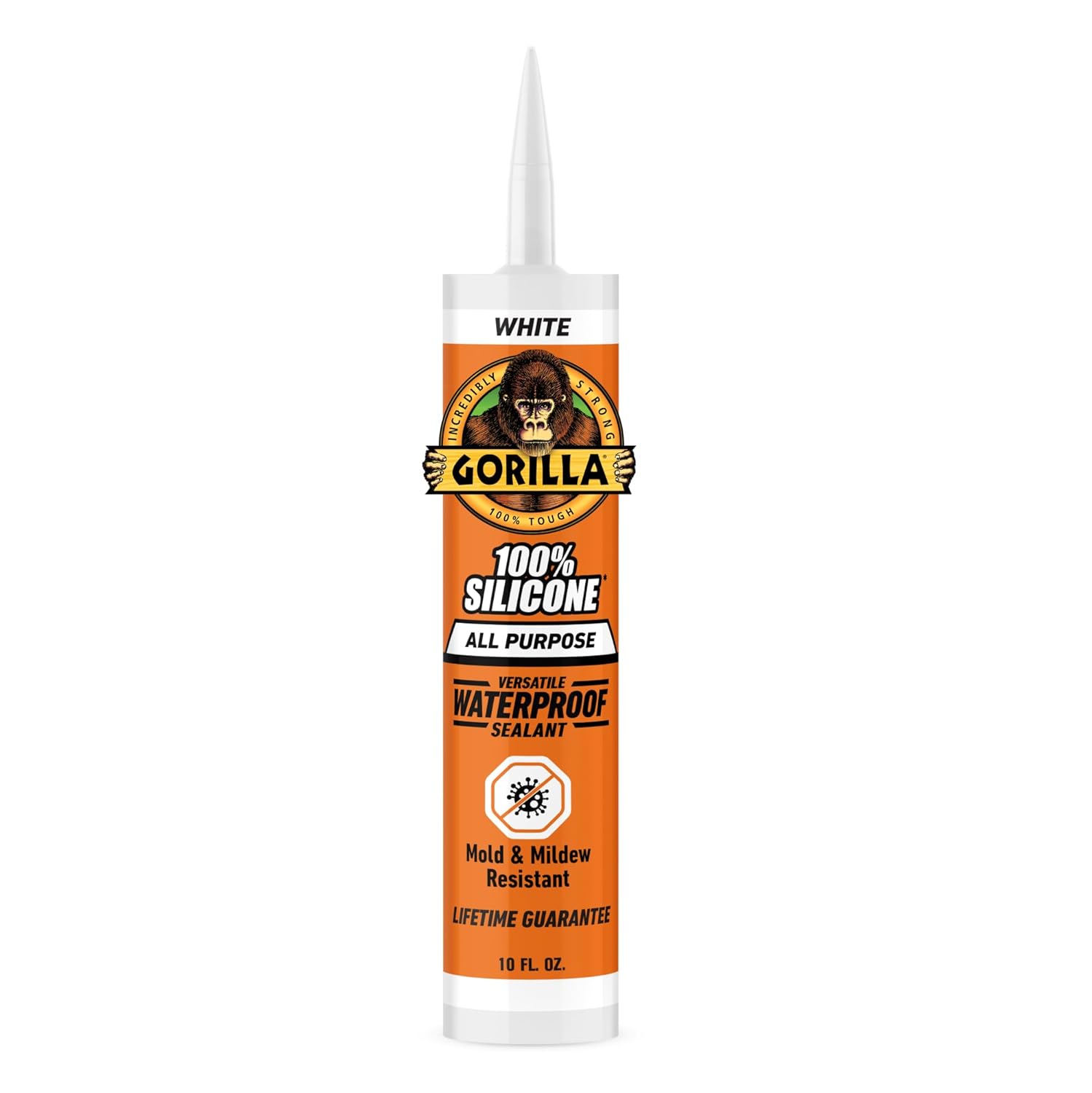
Gorilla Waterproof Silicone
Don’t skip the sealing step! This silicone is mold-resistant and dries quickly. Essential for keeping moisture out of your walls. The 100% silicone formula provides maximum flexibility and adhesion, even in wet environments. Available in clear or white to match your decor.
Technical Specifications:
- 100% silicone – no acrylic fillers
- Mold and mildew resistant
- 30-minute skin time, 24-hour cure time
- Remains flexible from -40°F to 400°F
Additional Recommended Products

Kohler Replacement Cartridge
For Kohler faucets, the K-304-K is the most common replacement. This genuine Kohler part ensures perfect fit and function. Includes all necessary O-rings and washers for complete repair.
Compatibility: Fits most Kohler single-handle faucets manufactured after 1990. Check your model number before purchasing.
Check Price on Amazon
Delta RP19804 Cartridge
The standard replacement for Delta single-handle faucets. This pressure-balanced cartridge includes temperature memory feature and meets anti-scald requirements.
Installation Note: Delta cartridges use a simple clip retention system, making them among the easiest to replace.
Check Price on Amazon
Plumber’s Grease
Essential for lubricating O-rings and moving parts. This silicone-based grease won’t damage rubber or plastic components and prevents mineral buildup. One tube lasts for multiple repairs.
Usage: Apply sparingly to all O-rings, cartridge stems, and moving parts before assembly.
Check Price on AmazonMaintenance and Prevention
Proper maintenance can extend the life of your new faucet components by years. Follow this schedule to prevent future issues:
📅 Annual Maintenance Schedule:
- ✅ Monthly: Operate handle through full range to prevent mineral buildup
- ✅ Quarterly: Check for leaks around trim plate and handle
- ✅ Biannually: Remove and clean shower head to maintain pressure
- ✅ Annually: Inspect caulk lines and reseal as needed
- ✅ Every 2-3 Years: Consider preventive cartridge replacement in hard water areas
- ✅ Every 5 Years: Full system inspection including valve access panel
Hard Water Solutions
Mineral buildup is the #1 cause of faucet failure. If you live in a hard water area (most of the United States), consider these solutions:
| Solution | Cost Range | Effectiveness | Best For |
|---|---|---|---|
| Water Softener System | $500-$3,000 | High (removes minerals) | Whole-house protection, severe hard water |
| Descaling Solutions | $10-$30 per treatment | Medium (temporary relief) | Rental properties, temporary solutions |
| Magnetic/Catalytic Conditioners | $100-$500 | Low to Medium (varies) | Moderate hard water, eco-conscious homeowners |
| Filter Systems | $50-$300 | Medium (reduces some minerals) | Point-of-use protection |
| Regular Vinegar Soaks | $5-$10 annually | Low (maintenance only) | Preventive maintenance between replacements |
Creating a Plumbing Emergency Kit
After completing your repair, assemble these items for future emergencies:
🚰 Essential Plumbing Emergency Kit:
- ✅ Spare cartridge for each type of faucet in your home
- ✅ Assorted O-rings and washers
- ✅ Pipe tape (Teflon/PTFE)
- ✅ Emergency pipe repair clamps
- ✅ Water leak alarms
- ✅ Main water shut-off tool (if needed)
- ✅ Plumber’s putty or epoxy
- ✅ Basic wrench and screwdriver set
- ✅ Flashlight with fresh batteries
- ✅ Contact information for emergency plumber
Advanced Tips for Renovators
If you are doing this as part of a larger renovation, consider your future needs. If you are looking at walk-in shower ideas, ensure your valve height is accessible. The Americans with Disabilities Act (ADA) recommends shower controls be located between 38 and 48 inches above the floor and operable with one hand without tight grasping or twisting.
For those installing accessibility features like a shower chair, consider installing a specialized valve trim with a longer lever handle, which is easier to operate for those with limited grip strength. Also consider thermostatic valves that maintain safe temperatures automatically.
Building Code Considerations
When replacing shower valves, you must comply with local building codes. Common requirements include:
- Anti-Scald Protection: Most jurisdictions require pressure-balancing or thermostatic valves in new installations and replacements.
- Access Panels: Some codes require removable access panels for shower valves in certain situations.
- Flow Restrictions: Many areas limit shower flow to 2.5 gallons per minute (GPM) or less.
- Backflow Prevention: Required in some jurisdictions to prevent contamination.
- Permits: Valve replacement may require permits, especially in multi-family buildings.
Integration with Smart Home Systems
Modern shower systems can integrate with home automation:
- Digital Valve Systems: Allow precise temperature and flow control
- Voice Activation: Some systems work with Alexa or Google Assistant
- Preset Programs: Memory functions for different users’ preferences
- Leak Detection: Smart valves can shut off automatically if leaks are detected
- Water Usage Tracking: Monitors consumption for conservation
When selecting a new valve system, consider future smart home integration. Some systems are “smart ready” with expansion capabilities.
Tile and Wall Repair Considerations
If your repair requires tile work, here are key considerations:
Common Tile Repair Scenarios:
- Small Chips: Use epoxy-based touch-up products designed for your tile type.
- Cracked Tiles: Remove and replace individual tiles using proper techniques.
- Missing Grout: Regrout using color-matched grout and proper sealing.
- Water-Damaged Backer Board: Must be completely replaced to prevent mold.
For extensive tile work, consider hiring a professional tile setter. Poor tile repair is often more noticeable than the original problem.
Frequently Asked Questions (FAQ)
How do I know which cartridge I need?
The easiest way is to remove the handle and look at the brand name on the escutcheon plate (Moen, Delta, Kohler). Then, pull the old cartridge out and bring it to the hardware store to match it physically. Or, upload a photo to Google Lens. Many manufacturers have online identification tools using photos of your valve. For older homes, you may need to contact the manufacturer directly with photos and measurements. Some plumbing supply houses offer cartridge identification services.
Identification Tips:
- Measure the cartridge length and diameter
- Count the number of O-rings and their positions
- Note the stem shape (round, square, hex)
- Check for any numbers or letters stamped on the cartridge
- Take photos from multiple angles including top, side, and end views
Why is my shower leaking after replacing the cartridge?
You likely have a damaged O-ring, or debris is stuck inside the valve body. Remove the cartridge, flush the valve (turn water on briefly with cartridge out – careful, it will spray!), and re-grease the O-rings with plumber’s grease. Check our guide on why shower heads leak for more. Other possible causes include:
- Incorrect cartridge installation (not fully seated)
- Cross-threaded retaining clip
- Cracked valve body (requires professional repair)
- Worn valve seat (may need reseating tool)
- High water pressure (over 80 PSI can cause leaks)
Troubleshooting Steps: Isolate the leak location. Is it from the handle area, behind the trim plate, or from the shower head? Each indicates a different problem source.
Can I replace a two-handle faucet with a single handle?
Not easily. That requires replacing the “rough-in” valve behind the wall, which means cutting tile and soldering pipes. This guide covers trim/cartridge replacement only. However, some manufacturers make conversion kits for specific models. The process typically requires:
- Accessing the wall behind the shower (may require cutting drywall)
- Removing the old valve assembly
- Installing a new single-handle valve
- Repairing wall materials
- Installing new trim
This is generally a job for professionals and costs $800-$2,000 depending on tile work needed.
Is it dangerous to do plumbing yourself?
Generally no, as long as the water is off. However, regarding safety, people often ask is it dangerous to shower during a thunderstorm? (Yes, it is due to metal pipes conducting electricity!). Always prioritize safety. Specific plumbing dangers include:
- Water damage from improper reassembly
- Structural damage from cutting incorrect openings
- Mold exposure when opening walls
- Injury from tools or falling in wet areas
- Electrical hazards if working near wiring
Always wear safety glasses, use proper tools, and know when to call a professional.
How long should a shower cartridge last?
Most cartridges last 10-20 years with normal use. Factors affecting longevity include:
- Water Quality: Hard water reduces lifespan by 30-50%
- Usage Frequency: High-use showers (families) wear out faster
- Brand Quality: Higher-end brands often last longer
- Maintenance: Regular cleaning extends life significantly
- Water Pressure: High pressure accelerates wear
Signs your cartridge is failing include difficulty adjusting temperature, reduced flow, dripping when off, or inconsistent pressure.
Can I repair a cartridge instead of replacing it?
Sometimes. Some cartridges have rebuild kits available with replacement O-rings and seals. This is cost-effective for high-end cartridges ($100+). However, for most standard cartridges ($20-$50), replacement is more practical. Rebuilding requires:
- Identifying the exact model
- Purchasing the correct rebuild kit
- Carefully disassembling the cartridge
- Replacing all seals and O-rings
- Proper reassembly with lubrication
Unless you’re experienced with small mechanical parts, replacement is usually better than repair.
What’s the difference between ceramic and brass cartridges?
Ceramic disc cartridges use two ceramic plates with holes that align to control flow. They’re known for:
- Smooth operation with quarter-turn activation
- Longer lifespan (often 20+ years)
- Better resistance to hard water minerals
- Higher initial cost
Brass cartridges use rubber seals against metal ports. They feature:
- Traditional multi-turn operation
- More prone to mineral buildup
- Generally lower cost
- Easier to find replacement parts for older models
Most modern showers use ceramic for durability, while many older homes have brass.
How do I remove mineral deposits without damaging finishes?
Use a 1:1 solution of white vinegar and water. For severe buildup:
- Soak a cloth in the solution and wrap it around affected areas
- Secure with rubber bands and leave for 1-2 hours
- Gently scrub with a soft brush (never steel wool on finishes)
- Rinse thoroughly with clean water
- Dry completely with a soft cloth
For chrome finishes, use commercial chrome cleaners. For brushed nickel or other specialty finishes, use manufacturer-recommended cleaners only. Never use abrasive cleaners on any shower finish.
Should I upgrade to a pressure-balancing valve during replacement?
If your home was built before 1990 and you’re already replacing the cartridge, upgrading to a pressure-balancing valve is highly recommended for:
- Safety: Prevents scalding when other fixtures are used
- Comfort: Maintains consistent temperature
- Code Compliance: May be required by local codes
- Home Value: Modern feature appreciated by buyers
However, this requires replacing the rough-in valve, which is a more extensive project. Consider doing it during a bathroom renovation rather than as a standalone repair.
How can I prevent cartridge failure in the future?
Implement these preventive measures:
- Install Whole-House Water Filter: Removes sediment and minerals
- Consider Water Softener: In hard water areas (above 7 grains per gallon)
- Regular Exercise: Turn valve through full range monthly
- Monitor Water Pressure: Install pressure gauge, keep below 80 PSI
- Preventative Replacement: Replace cartridges every 10-15 years regardless of symptoms
- Proper Use: Don’t force handles, turn off gently
- Avoid Chemical Cleaners: Some can damage O-rings and seals
Conclusion
Replacing a shower faucet is one of the most rewarding DIY projects. You save hundreds of dollars and fix annoying drips immediately. Once your new faucet is installed and the pressure is back, treat yourself to an upgrade. Maybe install a rainfall shower system or, if you really want to relax, look into a steam shower generator.
Now that the water is flowing perfectly, you can get back to life’s important questions, like should you shave before or after a shower? (The answer is after—your blades will last longer!).
Final Checklist Before Considering the Job Complete
✅ POST-INSTALLATION VERIFICATION:
- ✅ No leaks at any connection point
- ✅ Handle operates smoothly through full range
- ✅ Temperature control is accurate and consistent
- ✅ Water pressure meets expectations
- ✅ Trim plate is properly sealed (except bottom weep hole)
- ✅ All tools and materials cleaned and stored
- ✅ Work area cleaned and restored
- ✅ Warranty information filed for new parts
- ✅ Maintenance schedule established
- ✅ Emergency contact information updated if needed
Continuing Your Plumbing Education
Now that you’ve mastered shower cartridge replacement, consider learning these related skills:
- Toilet Repair: Flapper replacement, fill valve adjustment
- Sink Faucet Repair: Similar principles to shower valves
- Water Heater Maintenance: Draining, element replacement
- Pipe Insulation: Energy savings and freeze protection
- Emergency Shut-off Procedures: Critical knowledge for every homeowner
Remember that every repair makes you more capable and saves money. The average homeowner spends $300-$500 annually on plumbing repairs. By doing it yourself, you not only save that money but gain skills that increase your home’s value and your self-reliance.
Disclaimer: As an Amazon Associate, ShowerBlog earns from qualifying purchases. Always follow local building codes when performing plumbing work. This guide is for informational purposes only. If you are uncomfortable with any aspect of the repair, consult a licensed plumbing professional. Water damage can be extensive and expensive—when in doubt, call a pro.
Copyright © 2023 ShowerBlog. All rights reserved. This content may not be reproduced, distributed, or transmitted in any form without prior written permission. The information contained herein is based on general plumbing principles and may not apply to your specific situation. Always consult manufacturer instructions for your particular fixture.