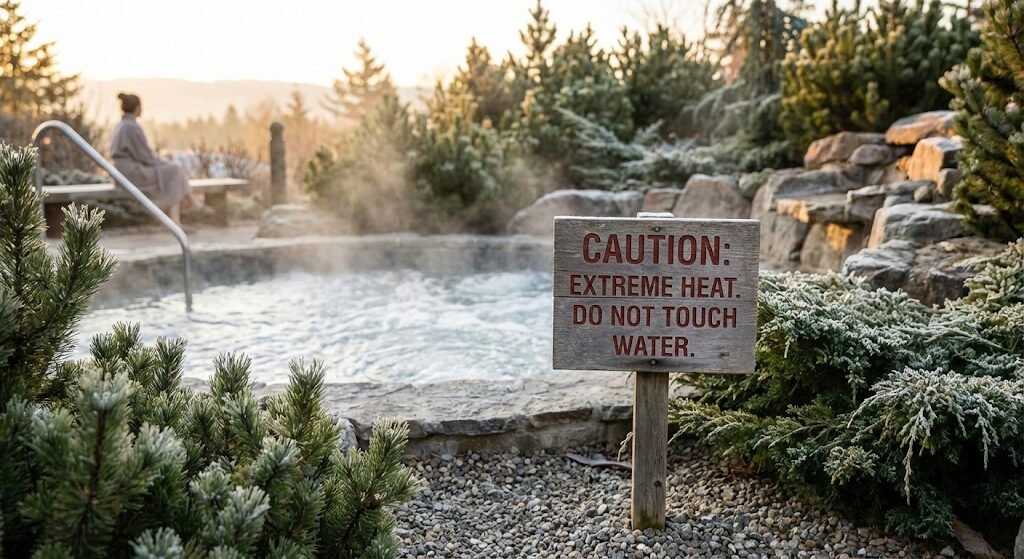
Understanding Hot Tub Safety: Medical Conditions and Overheating Risks
Hot tubs are globally celebrated for their relaxing, therapeutic properties. Dropping into a steaming basin of bubbling water melts away stress, soothes aching muscles, and provides a perfect environment for socializing. However, beneath the tranquil surface, hot water dramatically alters the body’s natural physiological processes. While this is beneficial for many, it can be extremely dangerous—and sometimes fatal—for others.
If you are asking yourself, “Who shouldn’t use a hot tub?”, you are taking a crucial step toward responsible home safety. The intense heat of a spa challenges the cardiovascular system, neutralizes the body’s ability to cool itself, and accelerates chemical reactions within the bloodstream. For individuals with certain pre-existing conditions, a seemingly harmless soak can trigger severe medical emergencies.
In this comprehensive, medically informed guide, we dive deep into the specific health conditions, age brackets, and lifestyle choices that make hot tub use dangerous. We will break down the science behind the risks, so you can keep yourself, your family, and your guests entirely safe.
1. Introduction to Hot Tub Safety: How Heat Affects the Body
To understand why certain people shouldn’t use a hot tub, we first have to understand what happens to the human body when submerged in 100°F+ water. The human body is designed to maintain a core temperature of 98.6°F. When you enter a hot tub, the surrounding water is hotter than your internal temperature.
Normally, when your body gets hot, it sweats. As sweat evaporates off your skin, it draws heat away, cooling your core. However, when submerged in a hot tub, your sweat cannot evaporate. Your body’s primary cooling mechanism is completely neutralized.
As your core temperature begins to rise, your brain commands your blood vessels to dilate (widen) to push warm blood closer to the surface of the skin to cool off. This massive vasodilation causes your blood pressure to drop. To compensate for the drop in pressure and keep blood flowing to vital organs, your heart rate spikes. For a healthy individual, this is a minor workout. For someone with underlying health issues, it is a recipe for disaster.

Know Your True Temperature
Don’t trust inaccurate built-in sensors. Use a highly accurate digital floating thermometer to ensure the water stays below dangerous levels.
Check Price on Amazon2. Pregnant Women: Hyperthermia and Fetal Development
One of the most universally recognized warnings on any hot tub is directed at pregnant women. The American College of Obstetricians and Gynecologists (ACOG) strongly advises against raising your core body temperature above 102.2°F (39°C) during pregnancy.
If you dive into the specifics of pregnancy hot tubs, heat risks, timing, and safety tips, the science is clear. During the first trimester, the fetus is undergoing crucial neurological and physical development. If the mother’s core temperature spikes (hyperthermia), it can disrupt this development, significantly increasing the risk of neural tube defects (like spina bifida) and other congenital abnormalities.
Furthermore, pregnancy naturally causes a woman’s blood vessels to dilate to accommodate increased blood volume. Adding the vasodilation of a hot tub drastically increases the risk of the mother fainting, which could lead to drowning or severe physical trauma from a fall.

Safe Relaxation for Expecting Mothers
Skip the hot tub and stay comfortable with a soothing, instant-cooling microfiber towel to relieve pregnancy heat flashes safely.
View Cooling Towels3. Cardiovascular Conditions: Heart Disease and Blood Pressure
The cardiovascular system bears the brunt of the stress when you enter a hot tub. As mentioned earlier, the hot water forces your blood vessels to dilate, causing a rapid drop in blood pressure. Your heart must then beat significantly faster to pump blood to the brain and vital organs.
This reality makes understanding the negative effects of hot tubs regarding heat and blood pressure risks essential for anyone with a history of heart issues. Individuals who should absolutely consult a cardiologist before using a hot tub include those with:
- A history of heart attacks or strokes.
- Unmanaged high blood pressure (hypertension) or low blood pressure (hypotension).
- Arrhythmias or atrial fibrillation.
- Heart valve diseases.
For someone with a weakened heart muscle, the sudden demand to pump faster and harder can trigger chest pain (angina) or a secondary cardiac event. Those with low blood pressure face an extreme risk of passing out and sliding under the water.
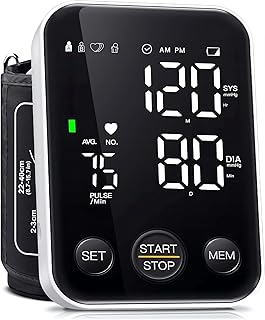
Monitor Your Cardiovascular Health
Keep track of your blood pressure accurately at home before engaging in heat therapy with a medical-grade wrist or arm monitor.
Shop BP Monitors on Amazon4. Children, Toddlers, and Infants: Thermoregulation Differences
Hot tubs are not just small swimming pools. While kids love splashing in the bubbles, a hot tub is an incredibly dangerous environment for infants, toddlers, and young children. The primary issue is a biological difference in how children process heat.
Children have a much higher surface-area-to-body-mass ratio than adults. This means they absorb heat from their environment much faster than adults do. Additionally, their sweat glands are not fully developed, meaning they cannot cool themselves down efficiently. A child sitting in a 104°F hot tub will reach a state of dangerous hyperthermia in a fraction of the time it takes an adult.
The CDC and the Association of Pool & Spa Professionals recommend that children under the age of 5 should never be allowed in a hot tub. For older children, the temperature should be lowered to 98°F, and soak times should be strictly limited to 5 to 10 minutes maximum.

A Safe Splashing Alternative
Keep the little ones cool, safe, and entertained while the adults soak by setting up a durable, pop-up kiddie pool nearby.
View Kiddie Pools5. Individuals with Skin Conditions or Open Wounds
Hot tubs are communal bodies of water that sit at temperatures perfectly suited for incubating bacteria. Even if the water is clear, it is not sterile. Anyone with compromised skin barriers should strictly avoid submerging themselves.
This includes individuals with:
- Open cuts, surgical incisions, or deep scrapes.
- Active flare-ups of eczema, psoriasis, or severe dermatitis.
- Sunburns (the heat will cause excruciating pain and exacerbate skin damage).
Submerging an open wound into a hot tub exposes the underlying tissue to bacteria like *Pseudomonas aeruginosa* (the culprit behind “hot tub rash”) or *Staphylococcus*. What starts as a minor cut can rapidly evolve into a severe, aggressive soft-tissue infection requiring antibiotics.

Seal Minor Abrasions
If you have a minor scrape and must be around the water, ensure it is completely sealed off with medical-grade, 100% waterproof clear bandages.
Check Price on Amazon6. The Danger of Alcohol and Intoxicating Substances
The image of sipping champagne in a hot tub is heavily romanticized, but medically speaking, it is a lethal combination. Alcohol is a powerful diuretic (it makes you urinate, leading to dehydration) and a vasodilator (it expands your blood vessels).
When you combine the dehydrating and vasodilating effects of alcohol with the extreme heat of the hot tub, the results compound. Your blood pressure plummets rapidly. This is the leading cause of people standing up to exit the tub, experiencing a massive head rush, fainting, and cracking their head on the deck—or worse, falling back into the water.
Furthermore, alcohol impairs judgment and induces drowsiness. Falling asleep in a hot tub is a massive drowning risk and guarantees you will suffer from hyperthermia as your body cooks in the water without you waking up.
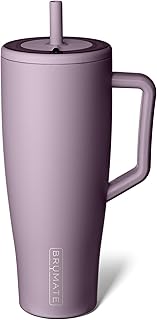
Hydrate Responsibly
Swap the alcohol for ice water. Keep your drinks freezing cold for hours while you soak with a premium vacuum-insulated stainless steel bottle.
View Bottles on Amazon7. Neurological Disorders and Seizure Risks
Conditions that affect the brain, spinal cord, and nerves can be highly sensitive to extreme temperature changes.
Multiple Sclerosis (MS): Many individuals with MS experience something called Uhthoff’s phenomenon. When their core body temperature rises even slightly (from exercise, weather, or a hot tub), their neurological symptoms temporarily worsen. They may experience severe muscle weakness, loss of vision, or extreme fatigue, making it impossible for them to safely exit the tub under their own power.
Epilepsy and Seizure Disorders: While controlled epilepsy doesn’t inherently ban someone from water, the risks are heavily magnified in a hot tub. The stress of extreme heat can act as a seizure trigger for some. Furthermore, experiencing a seizure while submerged in water presents an immediate, massive drowning risk. Anyone with a seizure disorder should never soak alone.

Communicate Your Needs
Ensure first responders and bystanders are aware of your condition with a durable, waterproof silicone medical alert bracelet.
Shop Alert Bracelets8. Diabetes: Neuropathy and Blood Sugar Fluctuations
For individuals with diabetes, hot tub use requires extreme caution and clearance from an endocrinologist due to two distinct physiological risks.
First, heat causes blood vessels to dilate, which can increase the rate at which injected insulin is absorbed into the bloodstream. If a diabetic takes insulin and immediately gets into a hot tub, the rapid absorption can cause their blood glucose levels to crash, leading to a sudden and dangerous hypoglycemic event.
Secondly, many long-term diabetics suffer from peripheral neuropathy—nerve damage that causes numbness in the hands and feet. If the tub’s thermostat is broken and the water is scalding (e.g., 110°F), a person with neuropathy may not feel the burning sensation on their feet until severe, second-degree tissue damage has already occurred.

Track Your Levels
Always know where your blood sugar stands before applying heat therapy. Use a reliable continuous glucose monitor (CGM) or testing kit.
Check Monitors on Amazon9. Immunocompromised Individuals and Waterborne Bacteria
If you are undergoing chemotherapy, taking immunosuppressant drugs after an organ transplant, or living with HIV/AIDS, your body does not have the robust defenses required to fight off opportunistic bacteria.
A poorly maintained hot tub is a breeding ground for dangerous pathogens. Understanding what biofilm is in hot tubs and its causes and water quality impact is crucial. Biofilm forms inside the plumbing, shielding bacteria from standard chlorine treatments. The mist created by the jets can carry *Legionella* bacteria (the cause of Legionnaires’ disease, a severe form of pneumonia) into the air, where it is inhaled. For a healthy person, this might cause a mild cough. For an immunocompromised person, it is a life-threatening infection.

Never Guess Your Chemistry
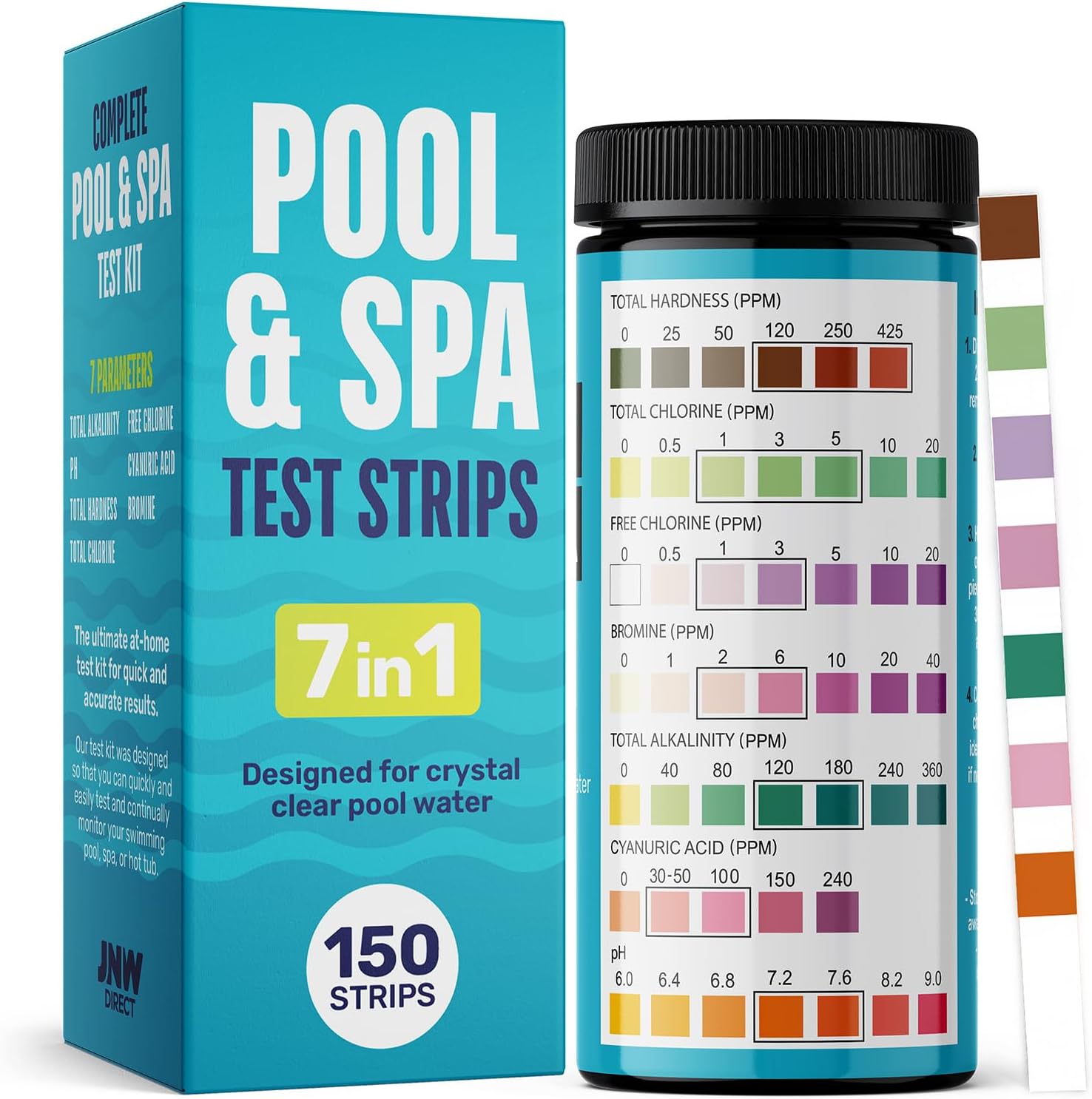
Ensure your water is perfectly sanitized and safe from biofilm with highly accurate 5-way chemical test strips.
View Test Strips10. Older Adults and the Elderly: Joint Relief vs. Overheating
There is a delicate balance here. Many older adults find immense value in reading about hot tubs and arthritis pain relief and heat joint benefits. The buoyancy of the water takes pressure off aging joints, while the heat increases blood flow to stiff muscles.
However, as we age, our skin thins and our body’s ability to regulate temperature degrades. Older adults do not sweat as efficiently and are far more prone to dehydration. Furthermore, the elderly are statistically more likely to be dealing with the cardiovascular issues and prescription medication interactions mentioned elsewhere in this guide.
If a senior citizen wants to use a hot tub, they should drop the temperature to a mild 98°F (body temperature), limit their soak to 10 minutes, drink plenty of water, and ensure they have sturdy handrails to help them exit safely.

Prevent Slips and Falls
Provide ultimate stability for aging family members with an under-mount, drill-free hot tub safety handrail.
Shop Handrails on Amazon11. People Taking Certain Prescription Medications
It isn’t always a medical condition that disqualifies you from using a hot tub; sometimes, it is the medicine you take to treat it. If you are on prescription medication, read the warning label carefully before soaking.
Generally Safe (With Caution)
- Over-the-counter pain relievers (Ibuprofen, Tylenol).
- Standard daily vitamins and supplements.
- Most asthma inhalers.
High Risk Medications
- Diuretics: Cause rapid fluid loss, leading to severe dehydration when combined with hot tub sweating.
- Beta-Blockers: Slow the heart rate. When the hot tub drops your blood pressure, your heart cannot beat fast enough to compensate, causing fainting.
- Sedatives/Sleep Aids: Drugs like Ambien or heavy antihistamines induce drowsiness, massively increasing the risk of falling asleep and drowning.
12. Safety Best Practices for the General Public
Even if you are a completely healthy adult with no underlying conditions, no medications, and a clean bill of health, a hot tub can still be dangerous if misused. Hyperthermia and heat stroke do not discriminate.
To ensure a safe, relaxing experience for everyone, adhere to these golden rules of hot tubbing:
- Watch the Clock: Limit your soaking sessions to 15-20 minutes. If you want to stay in longer, get out, cool down for 15 minutes, drink water, and re-enter.
- Temperature Control: The water should never exceed 104°F (40°C). For the safest, most comfortable experience, keep it between 100°F and 102°F.
- Hydrate Intensely: You are sweating heavily in a hot tub, even if you can’t feel it. Keep a bottle of cold water on the edge of the tub and sip it continuously.
- Never Soak Alone: If you faint, have a medical emergency, or slip, having a partner there can literally be the difference between life and death.
Frequently Asked Questions (FAQs)
Can I use a hot tub if I have high blood pressure?
Individuals with high blood pressure should consult a doctor before using a hot tub. The heat causes blood vessels to dilate, which can lower blood pressure temporarily, but the rapid heart rate increase can strain a weakened cardiovascular system.
Why is it dangerous for pregnant women to use hot tubs?
Raising the body’s core temperature above 102.2°F (39°C), especially during the first trimester, increases the risk of neural tube defects and congenital abnormalities in the developing fetus.
Are hot tubs safe for toddlers and infants?
No. Infants and toddlers have a high surface-area-to-body-mass ratio and cannot regulate their body temperature effectively, making them highly susceptible to rapid, life-threatening overheating.
Can diabetics use a hot tub safely?
Diabetics must exercise extreme caution. Heat can cause insulin to absorb too quickly, leading to hypoglycemia. Additionally, peripheral neuropathy can numb the feet, meaning a diabetic might not feel if the water is scalding them.
Why shouldn’t I drink alcohol in a hot tub?
Alcohol acts as a diuretic and a vasodilator. Combined with the sweating and vasodilation caused by hot water, it leads to severe dehydration, a massive drop in blood pressure, fainting, and the risk of drowning if you fall asleep.
Can hot tub water infect open wounds?
Yes. Even well-maintained hot tubs can harbor bacteria like Pseudomonas aeruginosa or Staphylococcus. Immersing open cuts, surgical wounds, or severe rashes can lead to aggressive skin infections.
What medications interact negatively with hot tubs?
Medications that induce drowsiness (sedatives, antihistamines), alter blood pressure (beta-blockers, diuretics), or affect thermoregulation should be used with extreme caution around hot tubs.
How long is it safe to stay in a hot tub?
For a healthy adult, the maximum recommended soaking time is 15 to 20 minutes at 100°F to 102°F. Staying in longer increases the risk of hyperthermia and dehydration.
Is a hot tub safe for someone with Multiple Sclerosis (MS)?
People with MS often experience Uhthoff’s phenomenon, where increased body temperature temporarily worsens nerve conduction, leading to severe fatigue, vision issues, and weakness. It is generally advised they avoid hot tubs.
Can elderly people use hot tubs?
Yes, but with precautions. Older adults have thinner skin and slower thermoregulation. They should soak at lower temperatures (around 98°F), limit sessions to 10 minutes, and ensure they are well-hydrated and supervised.
Knowledge is the Key to Safe Soaking
Hot tubs offer incredible benefits, from muscle recovery to stress relief, but they demand a high level of respect for how they alter human physiology. Understanding who shouldn’t use a hot tub is not about fear-mongering; it is about taking proactive, informed steps to ensure that your backyard oasis remains a place of healing, not harm. If you or a loved one fall into any of the high-risk categories mentioned above, a brief consultation with your primary care physician can provide personalized guidance.
Keep your water chemistry balanced, your temperature monitored, and your body hydrated.
Shop Hot Tub Safety Accessories on Amazon